What does 1 John 2:7 mean?
"Brethren, I write no new commandment unto you, but an old commandment which ye had from the beginning. The old commandment is the word which ye have heard from the beginning." - 1 John 2:7

1 John 2:7 in the King James Version (KJV) of the Bible reads, "Brethren, I write no new commandment unto you, but an old commandment which ye had from the beginning. The old commandment is the word which ye have heard from the beginning."
This verse is part of a letter written by the apostle John to a group of believers, commonly referred to as "brethren." Throughout the letter, John seeks to encourage and exhort his audience to walk in love, truth, and obedience to God. In this specific verse, John is reminding the recipients of the letter that the commandment he is sharing with them is not a new one, but rather an old commandment that they have been familiar with since the beginning of their faith journey.
The context of this verse is important to understand in order to grasp its full significance. In the previous verses, John talks about the importance of keeping God's commandments and walking in the light as opposed to darkness. He emphasizes the need for believers to love one another and to live in obedience to God's word. In verse 7, John is essentially reinforcing the idea that the commandment to love one another and to walk in obedience to God is not a new concept, but something that the believers have been taught since the beginning of their faith.
The theme of love and obedience is central to this verse, as it is throughout the entire letter of 1 John. John's emphasis on the old commandment suggests that the call to love one another and to walk in accordance with God's word is not something that changes over time. It is a timeless principle that has been foundational to the Christian faith from the very beginning.
The symbolism in this verse lies in the contrast between old and new. John is making it clear that the commandment he is sharing is not a new revelation, but rather a timeless truth that has been passed down from the beginning of their faith. This serves to emphasize the unchanging nature of God's commands and the importance of adhering to them consistently.
Furthermore, the use of the term "brethren" in the verse reflects the sense of community and shared identity among believers. John is addressing the recipients of his letter as fellow members of the faith, and his words carry a sense of camaraderie and solidarity. This reinforces the idea that the commandment to love one another is not just an individual obligation, but a communal one that binds believers together.
In a broader theological context, this verse also points to the continuity of God's message throughout history. The old commandment that John speaks of can be traced back to the Old Testament, particularly in passages such as Leviticus 19:18, which instructs people to love their neighbor as themselves. By referencing this old commandment, John is highlighting the unchanging nature of God's character and the consistency of His instructions to His people.
In conclusion, 1 John 2:7 carries a deep and timeless message about the importance of love and obedience in the Christian faith. John's words serve as a reminder that these principles are not new, but have been part of the fabric of the faith from the very beginning. The verse emphasizes the unchanging nature of God's commands and the communal responsibility of believers to walk in love and obedience to God's word. It is a call to remain steadfast in these foundational truths and to live them out in community with fellow believers.
Have questions about 1 John 2:7?
Dive deeper into this scripture with Bible Chat — an AI-powered tool for exploring God's Word through conversation. Ask questions, get context, and grow in your understanding of the Bible.
Get Our Apps


1 John 2:7 Artwork

1 John 2:7 - "Brethren, I write no new commandment unto you, but an old commandment which ye had from the beginning. The old commandment is the word which ye have heard from the beginning."

1 John 2:7-11 - "Brethren, I write no new commandment unto you, but an old commandment which ye had from the beginning. The old commandment is the word which ye have heard from the beginning. Again, a new commandment I write unto you, which thing is true in him and in you: because the darkness is past, and the true light now shineth. He that saith he is in the light, and hateth his brother, is in darkness even until now. He that loveth his brother abideth in the light, and there is none occasion of stumbling in him. But he that hateth his brother is in darkness, and walketh in darkness, and knoweth not whither he goeth, because that darkness hath blinded his eyes."

"Brethren, I write no new commandment unto you, but an old commandment which ye had from the beginning. The old commandment is the word which ye have heard from the beginning." - 1 John 2:7
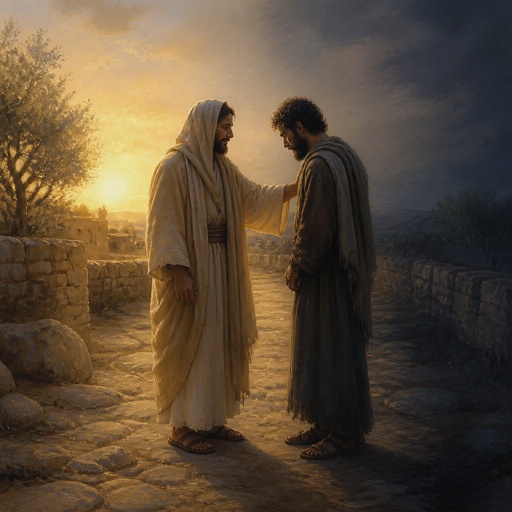
"Brethren, I write no new commandment unto you, but an old commandment which ye had from the beginning. The old commandment is the word which ye have heard from the beginning. Again, a new commandment I write unto you, which thing is true in him and in you: because the darkness is past, and the true light now shineth. He that saith he is in the light, and hateth his brother, is in darkness even until now. He that loveth his brother abideth in the light, and there is none occasion of stumbling in him. But he that hateth his brother is in darkness, and walketh in darkness, and knoweth not whither he goeth, because that darkness hath blinded his eyes." - 1 John 2:7-11

1 John 2:27

1 John 2:14

1 John 2:14

1 John 2:27

1 John 2:27

1 John 2:27

2 John 1:7 - "For many deceivers are entered into the world, who confess not that Jesus Christ is come in the flesh. This is a deceiver and an antichrist."

John 2:7 - "Jesus saith unto them, Fill the waterpots with water. And they filled them up to the brim."

1 John 2:26 - "These things have I written unto you concerning them that seduce you."

1 John 2:20 - "But ye have an unction from the Holy One, and ye know all things."

1 John 2:3 - "And hereby we do know that we know him, if we keep his commandments."

1 John 2:25 - "And this is the promise that he hath promised us, even eternal life."

John 7:38

1 John 2:12 - "I write unto you, little children, because your sins are forgiven you for his name's sake."

1 John 2:10 - "He that loveth his brother abideth in the light, and there is none occasion of stumbling in him."

John 7:2 - "Now the Jews' feast of tabernacles was at hand."

1 John 2:9 - "He that saith he is in the light, and hateth his brother, is in darkness even until now."

1 John 2:23 - "Whosoever denieth the Son, the same hath not the Father: (but) he that acknowledgeth the Son hath the Father also."

1 John 2:6 - "He that saith he abideth in him ought himself also so to walk, even as he walked."

1 John 2:29 - "If ye know that he is righteous, ye know that every one that doeth righteousness is born of him."
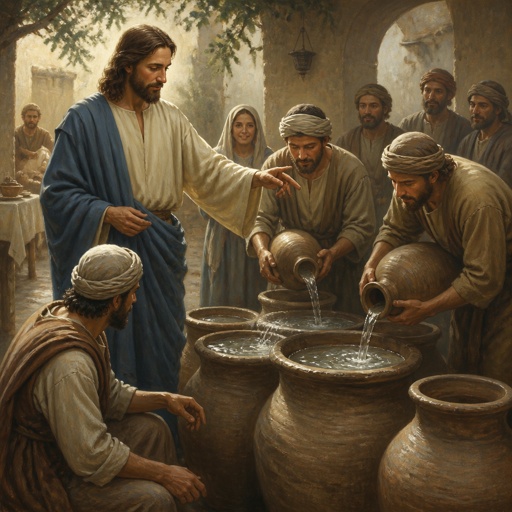
"Jesus saith unto them, Fill the waterpots with water. And they filled them up to the brim." - John 2:7

1 John 2:17 - "And the world passeth away, and the lust thereof: but he that doeth the will of God abideth for ever."

John 1:1-2

John 1:1-2

1 John 2:4 - "He that saith, I know him, and keepeth not his commandments, is a liar, and the truth is not in him."

1 John 2:2 - "And he is the propitiation for our sins: and not for our's only, but also for the sins of the whole world."