What does 1 John 2:22 mean?
"Who is a liar but he that denieth that Jesus is the Christ? He is antichrist, that denieth the Father and the Son." - 1 John 2:22
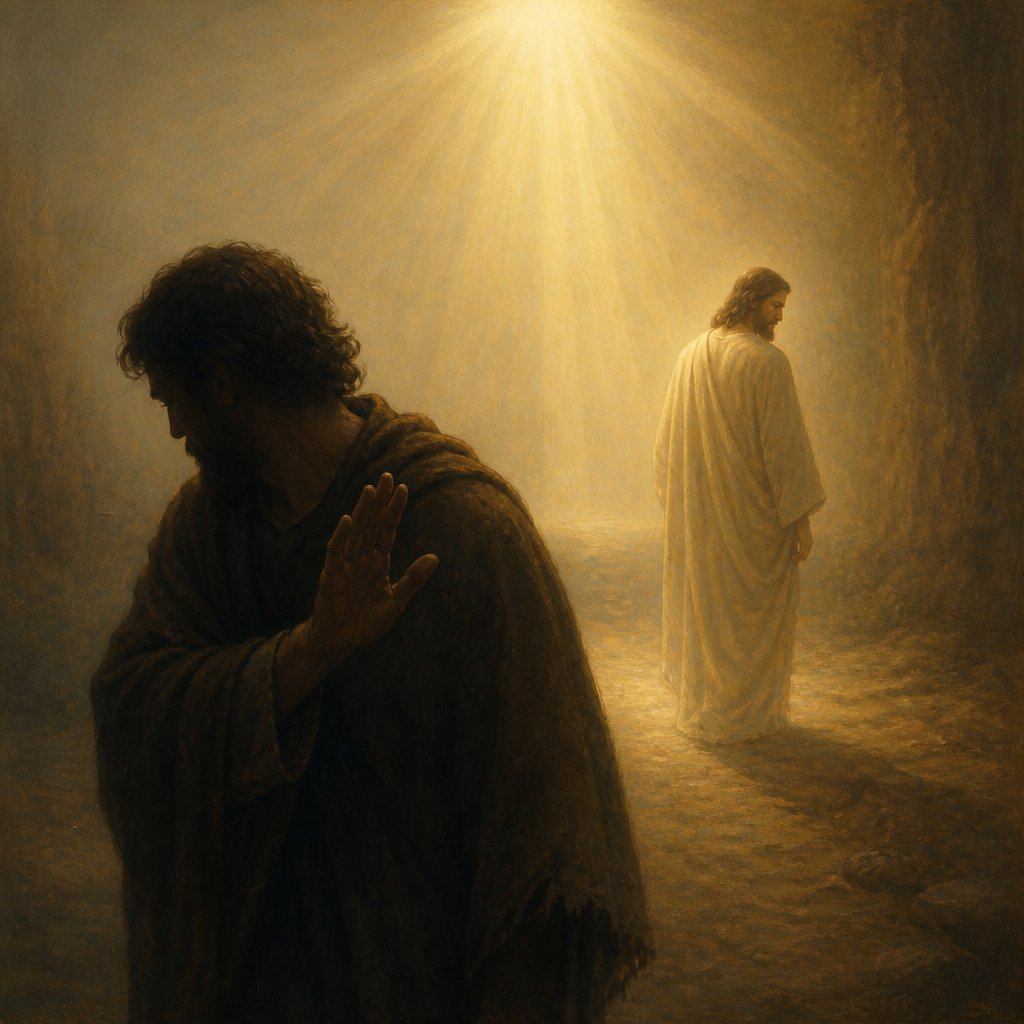
The verse 1 John 2:22 from the King James Version of the Bible reads: "Who is a liar but he that denieth that Jesus is the Christ? He is antichrist, that denieth the Father and the Son."
This verse is part of the first epistle of John, which was written to believers in Asia Minor to address false teachings and assure the readers of the truth of the gospel. In this particular verse, John is addressing those who deny the divinity of Jesus Christ and the existence of God the Father.
The verse begins with a rhetorical question: "Who is a liar but he that denieth that Jesus is the Christ?" This question challenges those who deny the deity of Jesus Christ, suggesting that such individuals are lying about their beliefs. In the context of the letter, John is likely referring to the Gnostic heresy that was prevalent at the time. Gnosticism was a religious movement that denied the humanity of Jesus and taught that the material world was evil. By denying the divinity of Jesus, Gnostics were essentially denying the foundational beliefs of Christianity.
John goes on to identify those who deny Jesus as the Christ as being "antichrist." This term is significant, as it represents the ultimate opposition to Christ and his teachings. In this context, an antichrist is not necessarily a single individual, but rather anyone who opposes or denies the true nature of Christ. By denying the Father and the Son, these individuals are aligning themselves with the antichrist, positioning themselves in direct opposition to God.
The themes present in this verse are central to the Christian faith. The divinity of Jesus Christ and his relationship with God the Father are foundational beliefs that set Christianity apart from other religions. By emphasizing the consequences of denying these truths, John is reaffirming the importance of orthodox Christian doctrine.
In addition to the theological implications of this verse, there is also a deeper symbolism at play. The denial of Jesus as the Christ represents a rejection of the core message of salvation through faith in him. It signifies a turning away from the truth and embracing falsehood. The term "antichrist" represents the ultimate embodiment of this rejection, aligning oneself with the forces of evil and darkness.
Ultimately, 1 John 2:22 serves as a warning to believers about the dangers of false teachings and the importance of holding fast to the truth of the gospel. By identifying the denial of Jesus as the Christ as a form of deception and aligning it with the antichrist, John is urging his readers to remain steadfast in their faith and not be led astray by falsehood.
In conclusion, 1 John 2:22 from the King James Version of the Bible carries significant theological, symbolic, and practical implications. It addresses the foundational beliefs of Christianity, warns against false teachings, and emphasizes the importance of remaining true to the truth of the gospel. This verse serves as a powerful reminder of the eternal significance of our beliefs and the need to guard against deception and falsehood.
Have questions about 1 John 2:22?
Dive deeper into this scripture with Bible Chat — an AI-powered tool for exploring God's Word through conversation. Ask questions, get context, and grow in your understanding of the Bible.
Get Our Apps


1 John 2:22 Artwork

1 John 2:22 - "Who is a liar but he that denieth that Jesus is the Christ? He is antichrist, that denieth the Father and the Son."
"Who is a liar but he that denieth that Jesus is the Christ? He is antichrist, that denieth the Father and the Son." - 1 John 2:22

1 John 2:2 - "And he is the propitiation for our sins: and not for our's only, but also for the sins of the whole world."

1 John 2:27

"And he is the propitiation for our sins: and not for our's only, but also for the sins of the whole world." - 1 John 2:2

1 John 2:14

1 John 2:14

1 John 2:27

1 John 2:27

1 John 2:27

John 2:2 - "And both Jesus was called, and his disciples, to the marriage."

1 John 2:26 - "These things have I written unto you concerning them that seduce you."

1 John 2:20 - "But ye have an unction from the Holy One, and ye know all things."

1 John 2:3 - "And hereby we do know that we know him, if we keep his commandments."

"And both Jesus was called, and his disciples, to the marriage." - John 2:2

1 John 2:25 - "And this is the promise that he hath promised us, even eternal life."

1 John 2:12 - "I write unto you, little children, because your sins are forgiven you for his name's sake."

1 John 2:10 - "He that loveth his brother abideth in the light, and there is none occasion of stumbling in him."

1 John 2:9 - "He that saith he is in the light, and hateth his brother, is in darkness even until now."

1 John 2:23 - "Whosoever denieth the Son, the same hath not the Father: (but) he that acknowledgeth the Son hath the Father also."

1 John 2:6 - "He that saith he abideth in him ought himself also so to walk, even as he walked."

1 John 2:29 - "If ye know that he is righteous, ye know that every one that doeth righteousness is born of him."

John 2:22 - "When therefore he was risen from the dead, his disciples remembered that he had said this unto them; and they believed the scripture, and the word which Jesus had said."

1 John 2:17 - "And the world passeth away, and the lust thereof: but he that doeth the will of God abideth for ever."

2 Timothy 2:22

John 1:1-2

John 1:1-2

1 John 2:4 - "He that saith, I know him, and keepeth not his commandments, is a liar, and the truth is not in him."

John 1:1-2

John 1:1-2