What does 1 Corinthians 8:2 mean?
"And if any man think that he knoweth any thing, he knoweth nothing yet as he ought to know." - 1 Corinthians 8:2
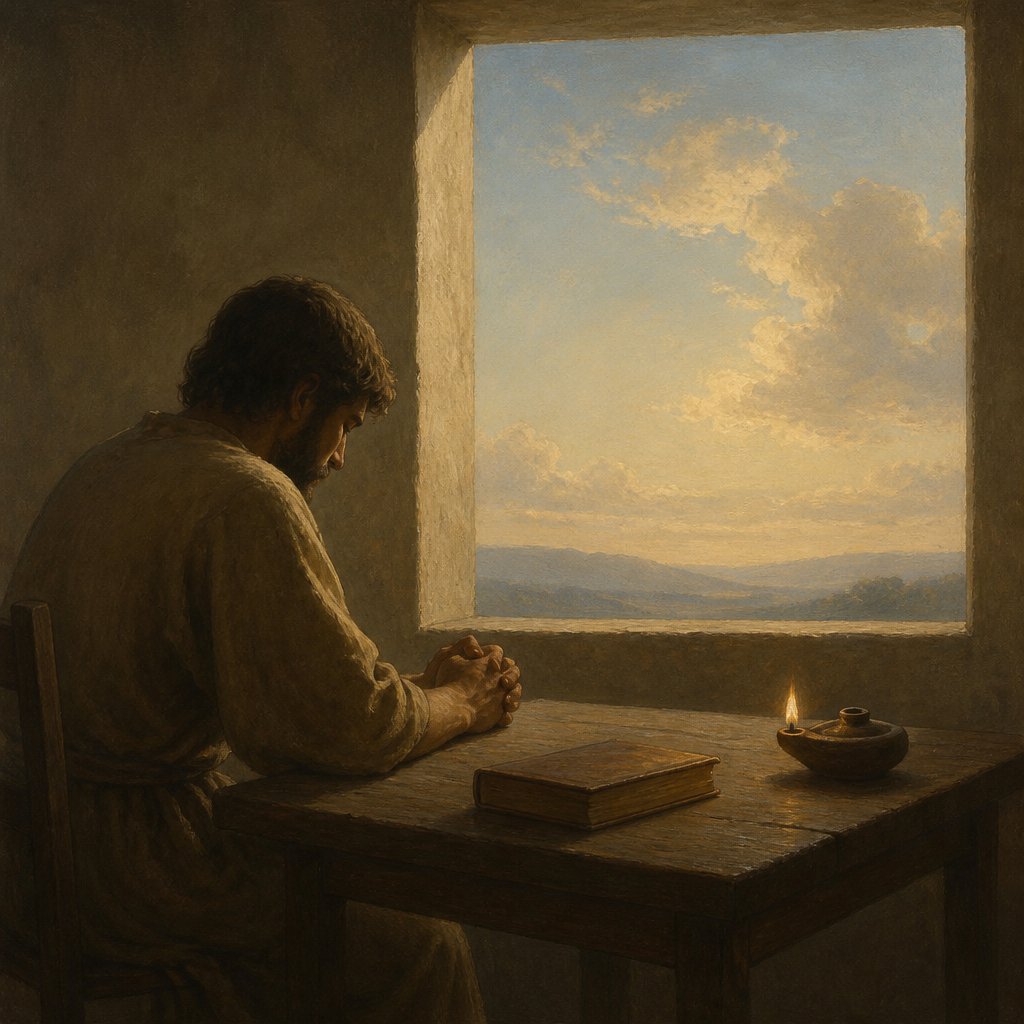
1 Corinthians 8:2 - "And if any man think that he knoweth any thing, he knoweth nothing yet as he ought to know." (KJV)
This verse from the first book of Corinthians is a powerful reminder to Christians about the importance of humility and the limitations of human knowledge. The apostle Paul wrote this letter to the church in Corinth to address various issues and provide guidance on how to live a life that honors God and reflects the teachings of Jesus Christ. In this particular passage, Paul is cautioning the Corinthians against arrogance and intellectual pride, and instead, urging them to approach knowledge with humility and wisdom.
The verse begins with the phrase "And if any man think that he knoweth any thing", drawing attention to the inherent tendency of human beings to believe in their own understanding and knowledge. This can be seen as a warning against the sin of pride, which often leads individuals to overestimate their own wisdom and look down on others who may have a different viewpoint. Paul reminds the Corinthians that true knowledge is not about intellectual prowess or academic learning, but about having a deep understanding of God and His will for our lives.
The second part of the verse states, "he knoweth nothing yet as he ought to know." This statement serves as a sobering reality check, reminding us that our human understanding is limited and finite. No matter how educated or knowledgeable someone may be, they can never fully comprehend the depth of God's wisdom and the mysteries of His creation. It is a call to humility and a recognition of the vastness of God's knowledge and wisdom compared to our own.
The context of this verse is important in understanding its significance. The church in Corinth was facing various issues, including divisions, moral conflicts, and disputes over matters of conscience, such as eating food sacrificed to idols. In the preceding verses, Paul addresses the issue of food offered to idols and advises the Corinthians on how to navigate this potentially contentious issue. He emphasizes the importance of love and consideration for others in the exercise of their Christian freedom, rather than flaunting one's knowledge and causing others to stumble.
One of the key themes in this passage is the importance of love and unity in the body of Christ. Knowledge, in and of itself, can lead to pride and division if it is not tempered with love and humility. Paul is reminding the Corinthians that true knowledge should lead to a deeper understanding of God's love and a desire to build up and encourage others in the faith. In the broader context of the letter, Paul emphasizes the need for unity and mutual edification within the church, rather than allowing knowledge to become a source of contention and division.
Symbolism in this verse can be seen in the contrast between human knowledge and divine knowledge. The idea of "knowing nothing yet as he ought to know" points to the profound mystery and depth of God's wisdom that transcends human understanding. It serves as a reminder that our knowledge is limited and incomplete, and that true wisdom comes from seeking a deeper relationship with God and His truth.
In conclusion, 1 Corinthians 8:2 serves as a poignant reminder of the limitations of human knowledge and the importance of approaching it with humility and love. It challenges us to seek a deeper understanding of God and His will, rather than relying on our own intellect and wisdom. The verse carries a timeless message for Christians to pursue knowledge that is grounded in love, humility, and reverence for God, rather than one that leads to pride and division. It is a call to cultivate a spirit of unity and mutual edification within the body of Christ, as we navigate the complexities of life and faith.
Have questions about 1 Corinthians 8:2?
Dive deeper into this scripture with Bible Chat — an AI-powered tool for exploring God's Word through conversation. Ask questions, get context, and grow in your understanding of the Bible.
Get Our Apps


1 Corinthians 8:2 Artwork

1 Corinthians 8:2 - "And if any man think that he knoweth any thing, he knoweth nothing yet as he ought to know."
"And if any man think that he knoweth any thing, he knoweth nothing yet as he ought to know." - 1 Corinthians 8:2

2 Corinthians 8:1 - "Moreover, brethren, we do you to wit of the grace of God bestowed on the churches of Macedonia;"

1 Corinthians 2:8 - "Which none of the princes of this world knew: for had they known it, they would not have crucified the Lord of glory."

2 Corinthians 8:2 - "How that in a great trial of affliction the abundance of their joy and their deep poverty abounded unto the riches of their liberality."

2 Corinthians 8:8 - "I speak not by commandment, but by occasion of the forwardness of others, and to prove the sincerity of your love."

1 Corinthians 11:8 - "For the man is not of the woman; but the woman of the man."

1 Corinthians 16:8 - "But I will tarry at Ephesus until Pentecost."

2 Corinthians 3:8 - "How shall not the ministration of the spirit be rather glorious?"

1 Corinthians 15:8-11

2 Corinthians 2:8 - "Wherefore I beseech you that ye would confirm your love toward him."

2 Corinthians 8:13 - "For I mean not that other men be eased, and ye burdened:"

2 Corinthians 13:8 - "For we can do nothing against the truth, but for the truth."

1 corinthians 2:12

1 corinthians 2:12

2 Corinthians 1:8 - "For we would not, brethren, have you ignorant of our trouble which came to us in Asia, that we were pressed out of measure, above strength, insomuch that we despaired even of life:"

1 Corinthians 6:8 - "Nay, ye do wrong, and defraud, and that your brethren."

1 corinthians 2:12

1 corinthians 2:12

2 Corinthians 8:21 - "Providing for honest things, not only in the sight of the Lord, but also in the sight of men."

1 Corinthians 8:3 - "But if any man love God, the same is known of him."

2 Corinthians 8:20 - "Avoiding this, that no man should blame us in this abundance which is administered by us:"

2 Corinthians 12:8 - "For this thing I besought the Lord thrice, that it might depart from me."

2 Corinthians 6:8 - "By honour and dishonour, by evil report and good report: as deceivers, and yet true;"

2 Corinthians 4:8 - "We are troubled on every side, yet not distressed; we are perplexed, but not in despair;"

2 Corinthians 8:12 - "For if there be first a willing mind, it is accepted according to that a man hath, and not according to that he hath not."

2 Corinthians 8:3 - "For to their power, I bear record, yea, and beyond their power they were willing of themselves;"

1 Corinthians 8:8 - "But meat commendeth us not to God: for neither, if we eat, are we the better; neither, if we eat not, are we the worse."

1 Corinthians 9:8 - "Say I these things as a man? or saith not the law the same also?"

1 Corinthians 14:8 - "For if the trumpet give an uncertain sound, who shall prepare himself to the battle?"