What does 1 Corinthians 7:21 mean?
"Art thou called being a servant? care not for it: but if thou mayest be made free, use it rather." - 1 Corinthians 7:21
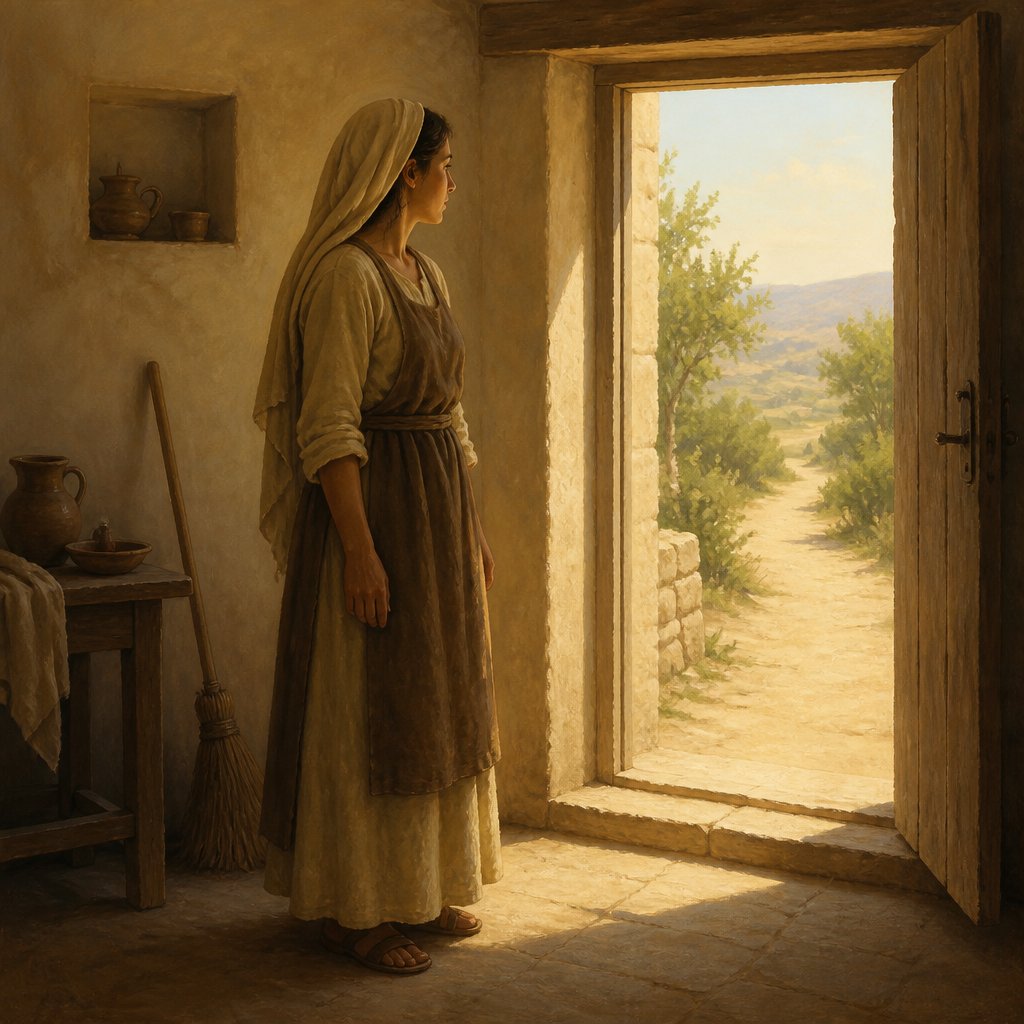
1 Corinthians 7:21 (KJV) says, "Art thou called being a servant? care not for it: but if thou mayest be made free, use it rather." This verse is part of a larger passage in which the apostle Paul addresses various social and relational issues within the Corinthian church. In this particular verse, Paul is addressing the issue of slavery and the Christian's response to being in a servile position.
The context of this verse is important to understand. In ancient Corinth, as in much of the Roman Empire, slavery was a common and accepted practice. Many of the early Christians in Corinth would have been slaves or servants, and Paul is addressing how they should live out their faith in the midst of their circumstances.
The first part of the verse, "Art thou called being a servant? care not for it," may seem surprising to modern readers, as it appears to endorse the status quo of slavery. However, Paul is not condoning slavery; rather, he is acknowledging the reality of his audience's situation and offering guidance on how to navigate it as a follower of Christ. Paul is essentially saying that if someone becomes a Christian while in a state of servitude, they should not let their social status become a hindrance to their faith. Instead, they should focus on living out their faith with dignity and integrity, regardless of their circumstances.
The latter part of the verse, "but if thou mayest be made free, use it rather," offers a more proactive approach. Here, Paul is acknowledging that freedom is preferable to servitude, and if the opportunity for freedom arises, the believer should take it. This does not indicate a call for rebellion or insurrection, but rather an encouragement to seek freedom if it can be obtained through legal or legitimate means. However, even in pursuing freedom, Paul is clear that the believer's primary concern should still be to "use it rather," that is, to continue to serve God and others in love, regardless of their social status.
One of the key themes of this verse is the idea of contentment and faithfulness in the midst of difficult circumstances. Paul is teaching the Corinthians to prioritize their spiritual well-being over their social status. This message is consistent with other teachings of Paul, such as his letter to the Philippians, where he writes, "I have learned, in whatsoever state I am, therewith to be content" (Philippians 4:11, KJV). This emphasis on contentment and faithfulness in all circumstances reflects the broader biblical theme of trusting in God's sovereignty and provision, even in the midst of hardship.
Another significant theme in this verse is the idea of freedom in Christ. While Paul acknowledges the value of seeking physical freedom from servitude, he also emphasizes the ultimate freedom that believers have in Christ. In Galatians 5:1, Paul writes, "Stand fast therefore in the liberty wherewith Christ hath made us free, and be not entangled again with the yoke of bondage" (KJV). This freedom in Christ transcends social, economic, and political circumstances, offering believers a deeper sense of liberation and identity in Christ.
The symbolism in this verse lies in the contrast between physical servitude and spiritual freedom. The Corinthians' social status as servants is a symbolic representation of the bondage of sin and the brokenness of the world. However, through their faith in Christ, they can experience a spiritual liberation that transcends their earthly circumstances. This symbolism serves to remind believers that their ultimate identity and freedom are found in Christ, not in their social status or material circumstances.
In conclusion, 1 Corinthians 7:21 offers valuable insights into the Christian's response to difficult social and relational circumstances. Paul's teachings emphasize the importance of faithfulness, contentment, and spiritual freedom, regardless of one's social status. This verse encourages believers to prioritize their relationship with Christ and trust in God's provision, even in the midst of challenging circumstances. The themes of contentment and freedom in Christ are timeless and continue to offer encouragement and guidance to believers today.
Have questions about 1 Corinthians 7:21?
Dive deeper into this scripture with Bible Chat — an AI-powered tool for exploring God's Word through conversation. Ask questions, get context, and grow in your understanding of the Bible.
Get Our Apps


1 Corinthians 7:21 Artwork

1 Corinthians 7:21 - "Art thou called being a servant? care not for it: but if thou mayest be made free, use it rather."
"Art thou called being a servant? care not for it: but if thou mayest be made free, use it rather." - 1 Corinthians 7:21

1 Corinthians 16:21 - "The salutation of me Paul with mine own hand."

1 Corinthians 3:21 - "Therefore let no man glory in men. For all things are your's;"

1 Corinthians 7:6 - "But I speak this by permission, and not of commandment."

1 Corinthians 13:4-7

1 Corinthians 15:21 - "For since by man came death, by man came also the resurrection of the dead."

1 Corinthians 13:4-7

1 Corinthians 13:4-7

1 Corinthians 13:4-7

1 Corinthians 1:21 - "For after that in the wisdom of God the world by wisdom knew not God, it pleased God by the foolishness of preaching to save them that believe."

1 Corinthians 15:7 - "After that, he was seen of James; then of all the apostles."

1 Corinthians 7:23 - "Ye are bought with a price; be not ye the servants of men."

2 Corinthians 1:21 - "Now he which stablisheth us with you in Christ, and hath anointed us, is God;"

1 Corinthians 4:21 - "What will ye? shall I come unto you with a rod, or in love, and in the spirit of meekness?"

1 Corinthians 7:19 - "Circumcision is nothing, and uncircumcision is nothing, but the keeping of the commandments of God."

1 Corinthians 7:31 - "And they that use this world, as not abusing it: for the fashion of this world passeth away."

1 Corinthians 1:7 - "So that ye come behind in no gift; waiting for the coming of our Lord Jesus Christ:"

1 Corinthians 12:7 - "But the manifestation of the Spirit is given to every man to profit withal."

1 Corinthians 7:1 - "Now concerning the things whereof ye wrote unto me: It is good for a man not to touch a woman."

1 Corinthians 11:21 - "For in eating every one taketh before other his own supper: and one is hungry, and another is drunken."

1 Corinthians 7:20 - "Let every man abide in the same calling wherein he was called."

1 Corinthians 7:9 - "But if they cannot contain, let them marry: for it is better to marry than to burn."

1 Corinthians 7:30 - "And they that weep, as though they wept not; and they that rejoice, as though they rejoiced not; and they that buy, as though they possessed not;"

1 Corinthians 10:21 - "Ye cannot drink the cup of the Lord, and the cup of devils: ye cannot be partakers of the Lord's table, and of the table of devils."

1 Corinthians 7:24 - "Brethren, let every man, wherein he is called, therein abide with God."

1 Corinthians 7:8 - "I say therefore to the unmarried and widows, It is good for them if they abide even as I."
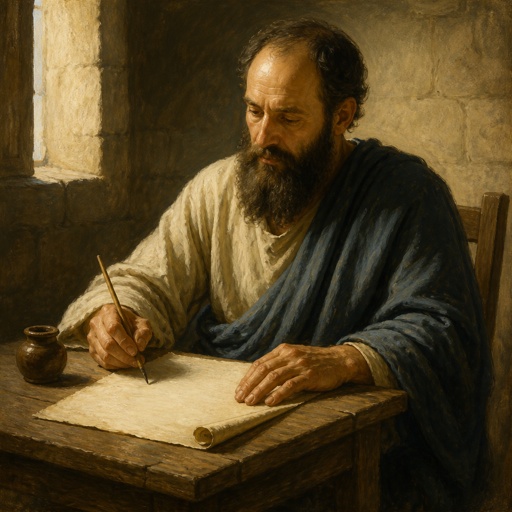
"The salutation of me Paul with mine own hand." - 1 Corinthians 16:21

1 Corinthians 7:26 - "I suppose therefore that this is good for the present distress, I say, that it is good for a man so to be."

1 Corinthians 7:33 - "But he that is married careth for the things that are of the world, how he may please his wife."