What does 1 Corinthians 7:19 mean?
"Circumcision is nothing, and uncircumcision is nothing, but the keeping of the commandments of God." - 1 Corinthians 7:19
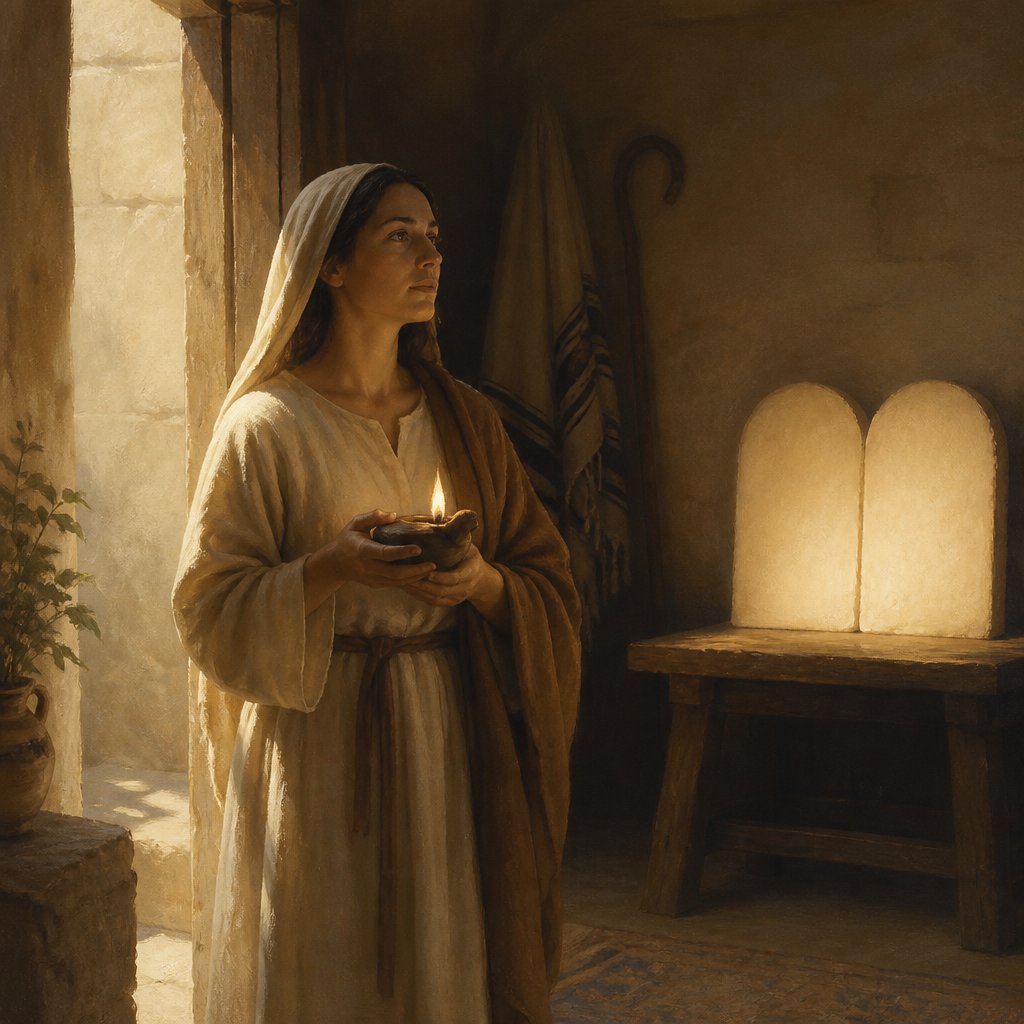
1 Corinthians 7:19 – "Circumcision is nothing, and uncircumcision is nothing, but the keeping of the commandments of God."
In this verse, the Apostle Paul addresses the issue of circumcision within the context of Christian faith. To fully understand the meaning and implications of this verse, it is important to consider the historical and cultural context in which it was written, as well as the broader themes and symbolism it conveys.
During the time in which Paul wrote this letter to the Corinthians, the issue of circumcision was a contentious one within the early Christian community. Circumcision was a physical mark of the covenant between God and the people of Israel, as established in the Old Testament. However, with the advent of Christianity and the teachings of Jesus Christ, there was a growing debate about whether non-Jewish believers in Christ should also be circumcised in order to fully participate in the faith.
In addressing this issue, Paul makes a bold declaration that "circumcision is nothing, and uncircumcision is nothing." This statement challenges the notion that physical markers or outward rituals are essential for salvation or spiritual fulfillment. Instead, Paul emphasizes the importance of "keeping the commandments of God," highlighting the inward, moral, and spiritual dimensions of faith.
One of the key themes in this verse is the idea of spiritual equality and inclusivity. Paul's emphasis on the insignificance of circumcision or uncircumcision points to the broader message of the gospel – that salvation and righteousness are not dependent on outward identifiers or cultural practices. In Christ, all believers are unified and equal before God, regardless of their ethnic or cultural backgrounds.
Furthermore, the verse reflects the central importance of obedience to God's commandments. Paul asserts that the true measure of faith is not found in external markers or symbols, but in the sincere adherence to God's moral and ethical teachings. This aligns with Jesus' own teachings, as he emphasized the primacy of love for God and love for others as the greatest commandments.
Symbolically, this verse represents a shift from the external to the internal, from the physical to the spiritual. It challenges the mindset that religious observance or cultural customs are the defining factors of one's faith and righteousness. Instead, Paul directs the focus towards the heart and the actions that flow from a genuine relationship with God.
In a broader theological sense, this verse speaks to the concept of justification by faith. Throughout his writings, Paul emphasizes that righteousness comes through faith in Christ, rather than through adherence to the law or ritualistic practices. This verse reinforces the idea that salvation and moral integrity are rooted in genuine faith and obedience to God, rather than in external observances or cultural traditions.
Overall, 1 Corinthians 7:19 carries profound implications for the practice of Christian faith and the attitudes of believers towards religious customs and traditions. It challenges the idea of spiritual elitism or exclusivity based on outward identifiers, and emphasizes the universal call to faithfully obey God's commandments. Ultimately, this verse encapsulates the transformative nature of the gospel, which transcends cultural, ethnic, and religious boundaries, and brings believers into a new covenant based on faith and obedience to God.
Have questions about 1 Corinthians 7:19?
Dive deeper into this scripture with Bible Chat — an AI-powered tool for exploring God's Word through conversation. Ask questions, get context, and grow in your understanding of the Bible.
Get Our Apps


1 Corinthians 7:19 Artwork

1 Corinthians 7:19 - "Circumcision is nothing, and uncircumcision is nothing, but the keeping of the commandments of God."
"Circumcision is nothing, and uncircumcision is nothing, but the keeping of the commandments of God." - 1 Corinthians 7:19

1 Corinthians 1:19-20

1 Corinthians 1:19-20

1 Corinthians 1:19-20

1 Corinthians 1:19-20

1 Corinthians 1:19-20

1 Corinthians 1:19-20

1 Corinthians 1:19-20

1 Corinthians 1:19-20

1 Corinthians 1:19-20

1 Corinthians 1:19-20

1 Corinthians 1:19-20

1 Corinthians 1:19-20

1 Corinthians 1:19-20

1 Corinthians 1:19-20

1 Corinthians 1:19-20

1 Corinthians 1:19-20

1 Corinthians 1:19-20

1 Corinthians 1:19-20

1 Corinthians 1:19-20

1 Corinthians 1:19-20

1 Corinthians 6:19

1 Corinthians 6:19

1 Corinthians 6:19

1 Corinthians 6:19

1 Corinthians 6:19

1 Corinthians 6:19

1 Corinthians 6:19-20
1 Corinthians 6:19-20