What does 1 Corinthians 2:9-10 mean?
"Sure, here is the KJV version of 1 Corinthians 2:9-10: But as it is written, Eye hath not seen, nor ear heard, neither have entered into the heart of man, the things which God hath prepared for them that love him. But God hath revealed them unto us by his Spirit: for the Spirit searcheth all things, yea, the deep things of God." - 1 Corinthians 2:9-10

The biblical passage in 1 Corinthians 2:9-10 from the King James Version states, "But as it is written, Eye hath not seen, nor ear heard, neither have entered into the heart of man, the things which God hath prepared for them that love him. But God hath revealed them unto us by his Spirit: for the Spirit searcheth all things, yea, the deep things of God."
This verse is a powerful and profound statement about the immeasurable blessings and wisdom that God has in store for those who love and follow Him. It offers a message of hope and encouragement to believers, reminding them that God's plans for them are far beyond anything they could imagine or comprehend.
The verse begins with the phrase "But as it is written," indicating that this concept is not a new revelation, but rather is based on previous writings, specifically referring to the Old Testament scriptures. The phrase "Eye hath not seen, nor ear heard, neither have entered into the heart of man" serves to emphasize the incomprehensible nature of God's plan and blessings. This means that no human senses or understanding can fully grasp the enormity and greatness of God's design for His people.
The verse continues with the declaration, "the things which God hath prepared for them that love him." This is a promise to those who have a genuine love and devotion to God, assuring them that their obedience and faithfulness will be rewarded with incredible and unimaginable blessings from the Lord. This message reinforces the idea that God's love and generosity towards His people are immeasurable and boundless.
The following line, "But God hath revealed them unto us by his Spirit," provides the resolution to the seemingly insurmountable barrier between humanity and the divine, explaining that God has chosen to disclose His plans through the Holy Spirit. This highlights the role of the Spirit in conveying deeper truths and insights to believers, enabling them to comprehend and appreciate the profound wisdom and blessings that God has in store for them.
The verse concludes with the affirmation, "for the Spirit searcheth all things, yea, the deep things of God." This highlights the omniscience and omnipotence of the Holy Spirit, as it has the ability to explore and understand even the most unfathomable aspects of God's nature and plans. It serves as a reminder to believers that they are not left to navigate the complexities of life and faith on their own, but are guided and empowered by the Spirit to comprehend and embrace the mysteries of God.
One of the central themes of this passage is the immeasurable love and benevolence of God towards His people. It conveys the idea that God's plans and blessings for believers are beyond human understanding, yet are ultimately revealed to them through the workings of the Holy Spirit. This serves to inspire and uplift believers, reassuring them that they are the recipients of God's extraordinary and incomprehensible grace.
Another significant theme is the role of the Holy Spirit in revealing and conveying divine wisdom to believers. The passage emphasizes the importance of the Spirit in enabling believers to grasp the deep truths and blessings that God has in store for them. This underscores the intimate relationship between believers and the Spirit, as well as the Spirit's pivotal role in guiding and enlightening them in their spiritual journey.
The context of this verse is important in understanding its significance within the broader message of the New Testament. The apostle Paul, the author of 1 Corinthians, addresses the Corinthian church, emphasizing the importance of spiritual wisdom and discernment. Paul seeks to encourage the believers in Corinth to rely on the wisdom and guidance of the Holy Spirit, rather than on earthly or human wisdom. This verse serves as a poignant reminder to the Corinthians, and to all believers, that God's plans and blessings are beyond human comprehension, and are ultimately revealed through the working of the Spirit.
In terms of symbolism, this passage symbolizes the unfathomable depth of God's love and wisdom, which transcends human understanding. It also symbolizes the role of the Holy Spirit as the conduit through which believers can comprehend and embrace the divine blessings and plans of God. The passage serves as a symbolic representation of the intimate relationship between believers and the Spirit, emphasizing the Spirit's pivotal role in guiding and enlightening them in their faith journey.
In conclusion, 1 Corinthians 2:9-10 from the King James Version offers a profound and timeless message of hope and encouragement, reminding believers of the incomprehensible blessings that God has in store for them. The passage underscores the immeasurable love of God, the pivotal role of the Holy Spirit in revealing divine wisdom, and the transcendent nature of God's plans for His people. It serves as a powerful reminder that believers are the recipients of God's extraordinary and incomprehensible grace, and are guided and empowered by the Spirit to comprehend the mysteries of God.
Have questions about 1 Corinthians 2:9-10?
Dive deeper into this scripture with Bible Chat — an AI-powered tool for exploring God's Word through conversation. Ask questions, get context, and grow in your understanding of the Bible.
Get Our Apps


1 Corinthians 2:9-10 Artwork

1 Corinthians 2:9-10 - "But as it is written, Eye hath not seen, nor ear heard, neither have entered into the heart of man, the things which God hath prepared for them that love him. But God hath revealed them unto us by his Spirit: for the Spirit searcheth all things, yea, the deep things of God."

"But as it is written, Eye hath not seen, nor ear heard, neither have entered into the heart of man, the things which God hath prepared for them that love him. But God hath revealed them unto us by his Spirit: for the Spirit searcheth all things, yea, the deep things of God." - 1 Corinthians 2:9-10
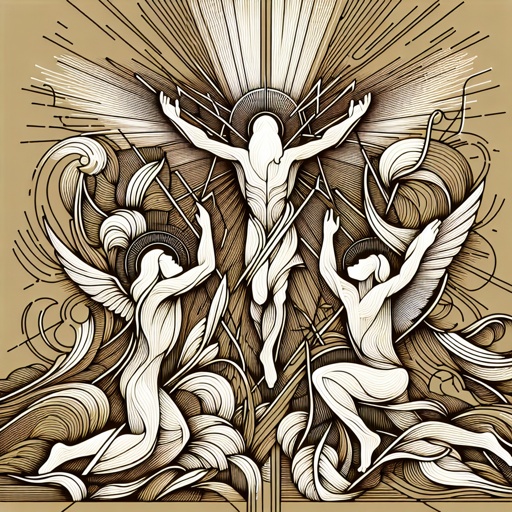
2 Corinthians 12:9-10

2 Corinthians 10:9 - "That I may not seem as if I would terrify you by letters."

"But as it is written, Eye hath not seen, nor ear heard, neither have entered into the heart of man, the things which God hath prepared for them that love him." - 1 Corinthians 2:9

1 Corinthians 2:9 - "But as it is written, Eye hath not seen, nor ear heard, neither have entered into the heart of man, the things which God hath prepared for them that love him."

1 Corinthians 10:9 - "Neither let us tempt Christ, as some of them also tempted, and were destroyed of serpents."

2 Corinthians 9:1 - "For as touching the ministering to the saints, it is superfluous for me to write to you:"

Titus 2:9-10

1 Corinthians 10:2 - "And were all baptized unto Moses in the cloud and in the sea;"

Titus 2:9-10

2 Corinthians 9:10 - "Now he that ministereth seed to the sower both minister bread for your food, and multiply your seed sown, and increase the fruits of your righteousness;)"

2 Corinthians 9:9

"That I may not seem as if I would terrify you by letters." - 2 Corinthians 10:9

2 Corinthians 1:9 - "But we had the sentence of death in ourselves, that we should not trust in ourselves, but in God which raiseth the dead:"

1 corinthians 2:12

1 corinthians 2:12

1 Corinthians 9:2 - "If I be not an apostle unto others, yet doubtless I am to you: for the seal of mine apostleship are ye in the Lord."

2 corinthians 10:3-5

2 corinthians 10:3-5

2 corinthians 10:3-5

2 corinthians 10:3-5

2 corinthians 10:3-5

2 corinthians 10:3-5

2 corinthians 10:3-5

2 corinthians 10:3-5

2 corinthians 10:3-5

2 corinthians 10:3-5

1 Corinthians 2:9 However, as it is written: “What no eye has seen, what no ear has heard, and what no human mind has conceived”— the things God has prepared for those who love him
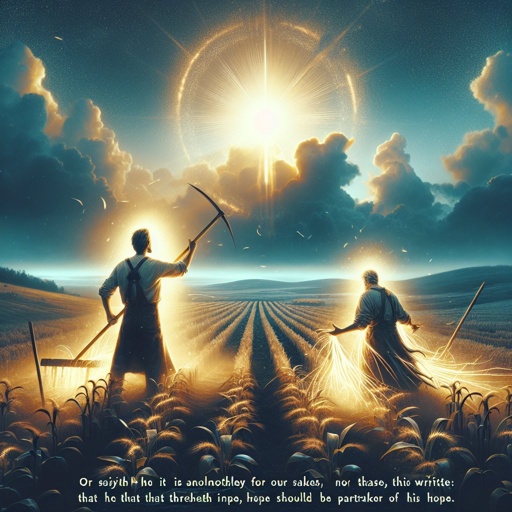
1 Corinthians 9:10 - "Or saith he it altogether for our sakes? For our sakes, no doubt, this is written: that he that ploweth should plow in hope; and that he that thresheth in hope should be partaker of his hope."