What does 1 Corinthians 1:27 mean?
"But God hath chosen the foolish things of the world to confound the wise; and God hath chosen the weak things of the world to confound the things which are mighty;" - 1 Corinthians 1:27
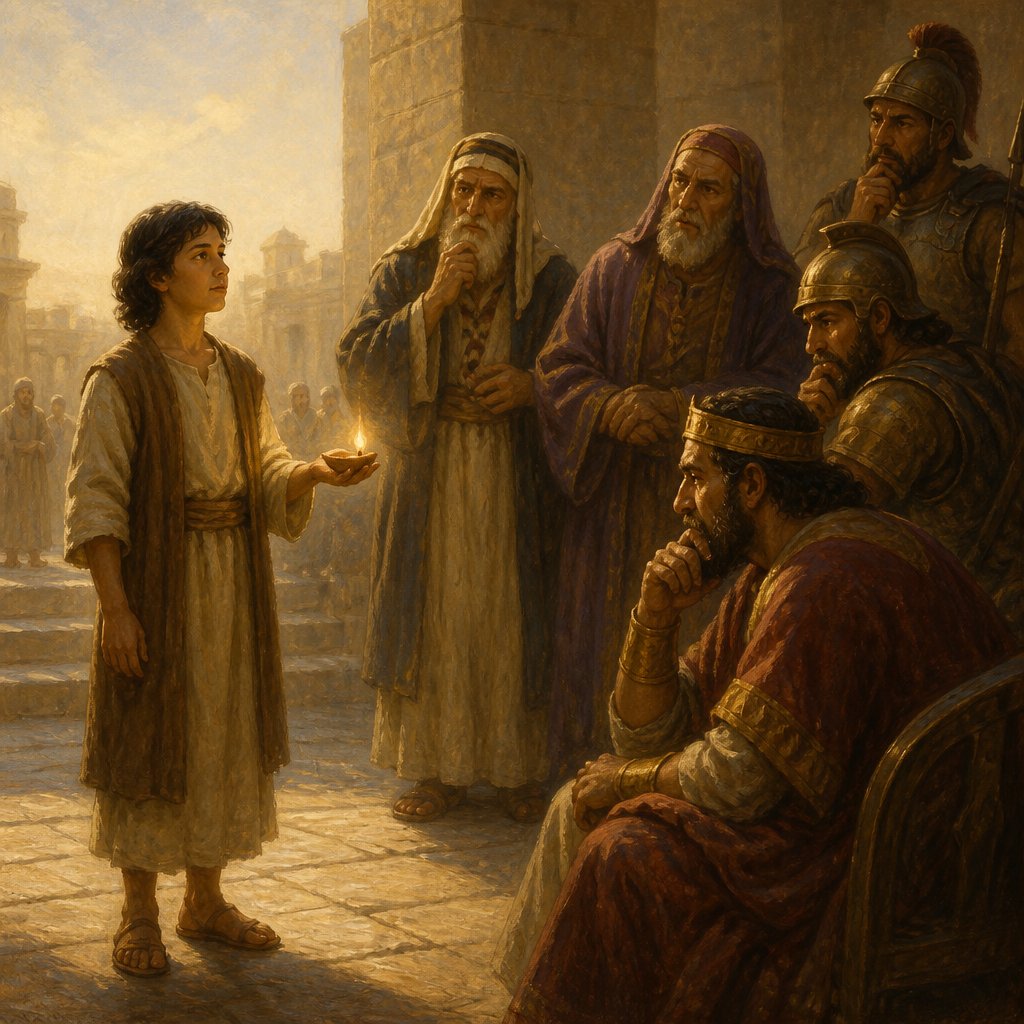
The verse 1 Corinthians 1:27 from the King James Version (KJV) reads: "But God hath chosen the foolish things of the world to confound the wise; and God hath chosen the weak things of the world to confound the things which are mighty." This verse is taken from the first epistle of Paul the Apostle to the Corinthians, which is a letter addressing various issues that had arisen in the Corinthian church.
The context of this verse is important in understanding its meaning. Paul is addressing the Corinthian church, which was known for its divisions and conflicts. In the preceding verses, Paul reminds the Corinthians that not many of them were wise or mighty or noble according to the world's standards. He emphasizes that God deliberately chose the foolish and weak things of the world to shame the wise and strong.
This verse carries a powerful message about the nature of God's wisdom and the way He works in the world. It challenges conventional human wisdom and the world's standards of success. The verse suggests that God's ways are often contrary to human expectations, and that He uses the weak and foolish to accomplish His purposes.
One of the central themes of this verse is the idea of God's sovereignty and His ability to work through unexpected and unlikely means. Throughout the Bible, God consistently chooses the weak and humble to accomplish His purposes. This is evident in the stories of figures like David, who was a mere shepherd boy when he was anointed as king, or Gideon, who was the least in his family and tribe, yet was chosen to lead Israel to victory.
The verse also speaks to the concept of humility and the importance of recognizing our own weaknesses and limitations. It challenges the idea that success and strength are the primary indicators of God's favor. Instead, it emphasizes that God's power is made perfect in weakness, as Paul writes in 2 Corinthians 12:9.
From a symbolic standpoint, this verse represents a reversal of conventional values. In the eyes of the world, the weak and foolish are often overlooked and deemed as insignificant. However, God sees things differently. He values qualities such as faith, humility, and obedience over worldly success and strength. This symbolism challenges us to reconsider our own perspectives and priorities, and to recognize the inherent worth and potential of all individuals, regardless of their outward status or abilities.
In summary, 1 Corinthians 1:27 carries a profound message about God's wisdom and His ability to work through unexpected and unconventional means. It challenges the world's standards of success and emphasizes the value of humility and faith. This verse serves as a reminder that God's ways are not our ways, and that He has a unique ability to bring about greatness through what the world might consider weakness or foolishness. Ultimately, this verse calls us to reevaluate our priorities and perspectives, and to trust in God's wisdom and sovereignty.
Have questions about 1 Corinthians 1:27?
Dive deeper into this scripture with Bible Chat — an AI-powered tool for exploring God's Word through conversation. Ask questions, get context, and grow in your understanding of the Bible.
Get Our Apps


1 Corinthians 1:27 Artwork

1 Corinthians 1:27 - "But God hath chosen the foolish things of the world to confound the wise; and God hath chosen the weak things of the world to confound the things which are mighty;"
"But God hath chosen the foolish things of the world to confound the wise; and God hath chosen the weak things of the world to confound the things which are mighty;" - 1 Corinthians 1:27

1 Corinthians 9:25-27

1 Corinthians 9:25-27

1 Corinthians 9:25-27

1 Corinthians 9:25-27

1 Corinthians 12:27

1 Corinthians 12:27 - "Now ye are the body of Christ, and members in particular."

1 Corinthians 14:27 - "If any man speak in an unknown tongue, let it be by two, or at the most by three, and that by course; and let one interpret."
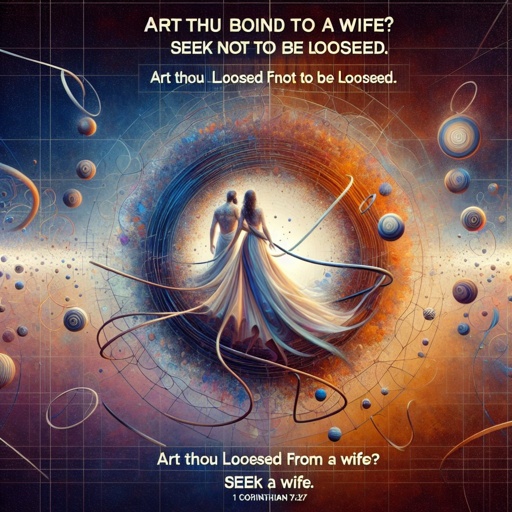
1 Corinthians 7:27 - "Art thou bound unto a wife? seek not to be loosed. Art thou loosed from a wife? seek not a wife."

1 Corinthians 11:27 - "Wherefore whosoever shall eat this bread, and drink this cup of the Lord, unworthily, shall be guilty of the body and blood of the Lord."
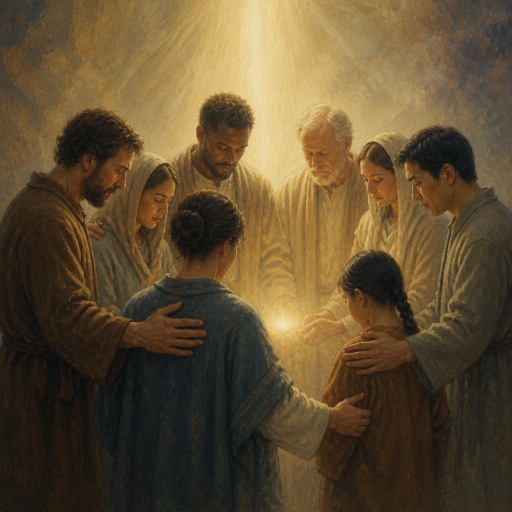
"Now ye are the body of Christ, and members in particular." - 1 Corinthians 12:27
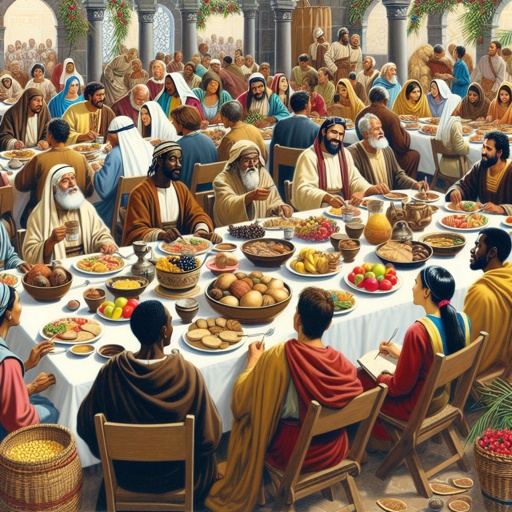
1 Corinthians 10:27 - "If any of them that believe not bid you to a feast, and ye be disposed to go; whatsoever is set before you, eat, asking no question for conscience sake."

1 Corinthians 9:27 - "But I keep under my body, and bring it into subjection: lest that by any means, when I have preached to others, I myself should be a castaway."
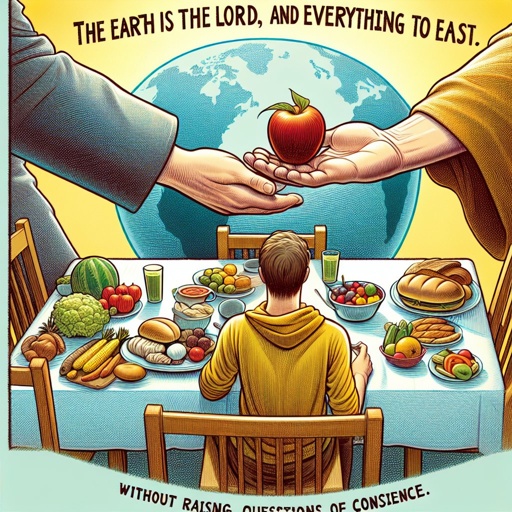
1 Corinthians 10:26-27 - "for, 'The earth is the Lord’s, and everything in it.' If an unbeliever invites you to a meal and you want to go, eat whatever is put before you without raising questions of conscience."

1 Corinthians 1:19-20

1 Corinthians 1:19-20

1 Corinthians 1:19-20

1 Corinthians 1:19-20

1 Corinthians 1:19-20

1 Corinthians 1:19-20

1 Corinthians 1:19-20

1 Corinthians 1:19-20

1 Corinthians 1:19-20

1 Corinthians 1:19-20

1 Corinthians 15:27 - "For he hath put all things under his feet. But when he saith all things are put under him, it is manifest that he is excepted, which did put all things under him."

1 Corinthians 1:19-20

1 Corinthians 1:19-20

1 Corinthians 1:19-20

1 Corinthians 1:19-20