What does 1 Corinthians 1:22 mean?
"For the Jews require a sign, and the Greeks seek after wisdom:" - 1 Corinthians 1:22
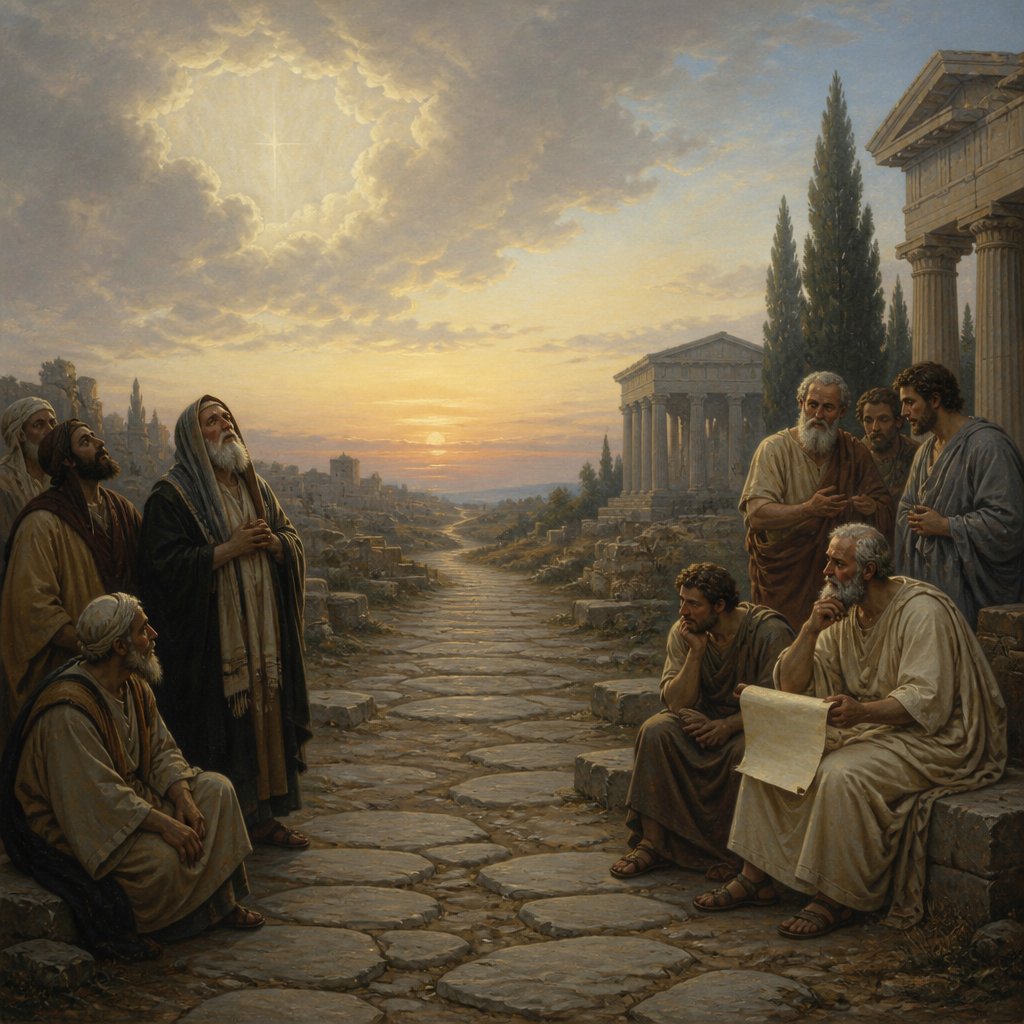
1 Corinthians 1:22 (KJV) says, "For the Jews require a sign, and the Greeks seek after wisdom." This verse is a part of Paul's first letter to the Corinthians, in which he addresses the divisions and conflicts within the church at Corinth. This particular verse highlights the different perspectives and desires of the Jews and the Greeks, and Paul uses it to emphasize the contrast between human wisdom and the power of God.
In order to fully understand the meaning of this verse, it is important to examine the context in which Paul was writing. The church at Corinth was struggling with disunity and spiritual immaturity. There were factions within the church, with some claiming allegiance to certain leaders, and others prioritizing their own wisdom and knowledge over the truth of the Gospel.
In the preceding verses, Paul acknowledges the divisive nature of seeking signs and wisdom, and he criticizes the Corinthians for being preoccupied with human wisdom instead of focusing on the message of the cross. In the larger context of the chapter, Paul is addressing the fact that the Greeks' pursuit of wisdom and the Jews' demand for signs are both obstacles to embracing the simplicity and power of the Gospel.
The first part of the verse, "For the Jews require a sign," refers to the Jewish people's historical expectation of miraculous signs and wonders as evidence of God's presence and favor. Throughout the Old Testament, God demonstrated His power through various signs and miracles, and the Jews were accustomed to seeking these signs as proof of God's intervention. However, Paul is rebuking the Jews for their continued insistence on signs in order to believe, instead of acknowledging the ultimate sign of God's love and salvation in the form of Jesus' death and resurrection.
On the other hand, the second part of the verse, "and the Greeks seek after wisdom," references the Greek culture's emphasis on intellectual pursuits, philosophy, and human reasoning. The Greeks prided themselves on their philosophical traditions and sought after knowledge and understanding as the highest form of wisdom. Paul challenges this pursuit of human wisdom, asserting that true wisdom is found in the message of the cross, which may seem foolish to the world but is actually the power of God unto salvation (1 Corinthians 1:18).
This verse serves as a cautionary reminder for believers to not be swayed by the world's standards of seeking signs or human wisdom, but to anchor their faith in the simplicity and power of the Gospel. Both the Jews' demand for signs and the Greeks' pursuit of wisdom are ultimately stumbling blocks to receiving the message of Jesus Christ.
In terms of themes, 1 Corinthians 1:22 addresses the themes of faith, wisdom, and the power of the Gospel. It challenges the reader to examine their own hearts and motivations, and to consider whether they are seeking after signs or worldly wisdom, rather than resting in the truth and power of the cross.
Symbolically, this verse represents the tension between human expectations and divine revelation. The demand for signs and the pursuit of wisdom are contrasted with the profound significance of the cross, which represents God's ultimate demonstration of love and power. The cross challenges the world's notions of what is valuable and wise, and it serves as a symbol of God's redemptive plan for humanity.
In conclusion, 1 Corinthians 1:22 serves as a powerful reminder to prioritize the message of the cross above human wisdom and signs. It calls believers to embrace the simplicity and power of the Gospel, and to recognize that true wisdom and fulfillment are found in Christ alone. This verse challenges us to examine our own hearts and motivations, and to turn away from the world's standards in order to embrace the truth of God's redemptive love.
Have questions about 1 Corinthians 1:22?
Dive deeper into this scripture with Bible Chat — an AI-powered tool for exploring God's Word through conversation. Ask questions, get context, and grow in your understanding of the Bible.
Get Our Apps


1 Corinthians 1:22 Artwork

1 Corinthians 1:22 - "For the Jews require a sign, and the Greeks seek after wisdom:"
"For the Jews require a sign, and the Greeks seek after wisdom:" - 1 Corinthians 1:22

1 Corinthians 12:12-22

1 Corinthians 10:22 - "Do we provoke the Lord to jealousy? are we stronger than he?"

1 Corinthians 16:22 - "If any man love not the Lord Jesus Christ, let him be Anathema Maranatha."

2 Corinthians 1:22 - "Who hath also sealed us, and given the earnest of the Spirit in our hearts."

1 Corinthians 15:22 - "For as in Adam all die, even so in Christ shall all be made alive."

1 Corinthians 12:22 - "Nay, much more those members of the body, which seem to be more feeble, are necessary:"

1 Corinthians 3:22 - "Whether Paul, or Apollos, or Cephas, or the world, or life, or death, or things present, or things to come; all are your's;"

1 Corinthians 14:22 - "Wherefore tongues are for a sign, not to them that believe, but to them that believe not: but prophesying serveth not for them that believe not, but for them which believe."
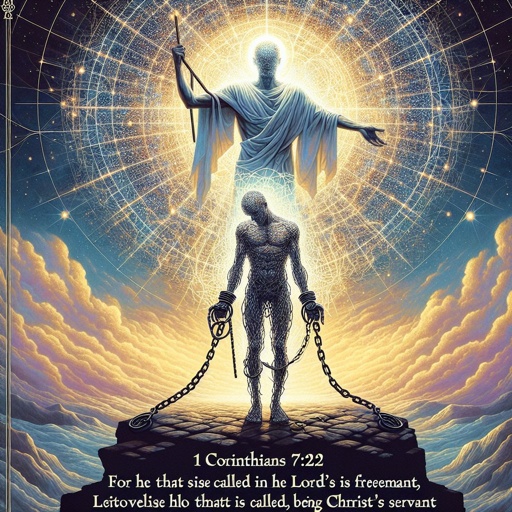
1 Corinthians 7:22 - "For he that is called in the Lord, being a servant, is the Lord's freeman: likewise also he that is called, being free, is Christ's servant."

1 Corinthians 1:19-20

1 Corinthians 1:19-20

1 Corinthians 1:19-20

1 Corinthians 1:19-20

1 Corinthians 1:19-20

1 Corinthians 1:19-20

1 Corinthians 1:19-20

1 Corinthians 1:19-20

1 Corinthians 1:19-20

1 Corinthians 1:19-20

1 Corinthians 9:22 - "To the weak became I as weak, that I might gain the weak: I am made all things to all men, that I might by all means save some."
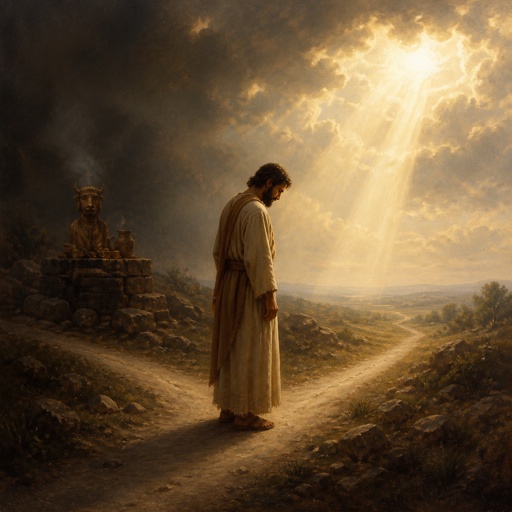
"Do we provoke the Lord to jealousy? are we stronger than he?" - 1 Corinthians 10:22

1 Corinthians 15:22-23 - "For as in Adam all die, so also in Christ shall all be made alive. But each in his own order: Christ the firstfruits, then at his coming those who belong to Christ."

1 Corinthians 1:19-20

1 Corinthians 1:19-20

1 Corinthians 1:19-20

1 Corinthians 1:19-20

1 Corinthians 1:19-20

1 Corinthians 1:19-20