What does 1 Corinthians 15:50 mean?
"Now this I say, brethren, that flesh and blood cannot inherit the kingdom of God; neither doth corruption inherit incorruption." - 1 Corinthians 15:50
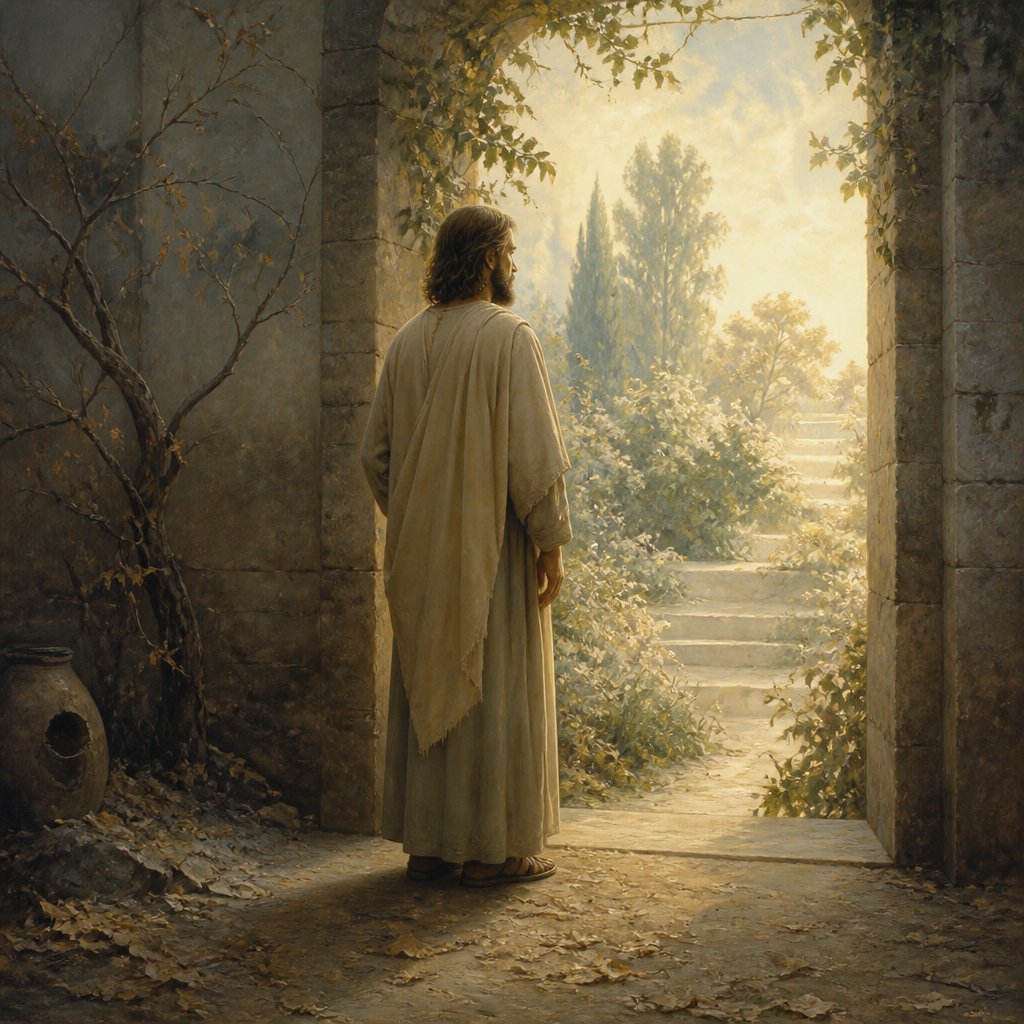
1 Corinthians 15:50 (KJV) states, "Now this I say, brethren, that flesh and blood cannot inherit the kingdom of God; neither doth corruption inherit incorruption." This verse from the New Testament of the King James Version of the Bible addresses important themes such as the nature of the afterlife, the concept of transformation, and the inherent limitations of human existence. In this commentary, we will explore the context in which this verse appears, the symbolism it conveys, and the broader implications it holds for Christian theology and spiritual understanding.
Context:
The letter of 1 Corinthians was written by the apostle Paul to the church in Corinth, a city known for its diverse population and the presence of various philosophical and religious beliefs. In this particular chapter, Paul is addressing the resurrection of the dead and the transformative nature of the afterlife. He discusses the resurrection of Christ as a central tenet of the Christian faith and refutes the idea that there is no such thing as resurrection. In verse 50, Paul emphasizes the contrast between the limitations of the earthly, mortal body and the imperishable, spiritual body that believers will inherit in the kingdom of God.
Meaning:
The verse begins with "Now this I say, brethren," indicating that Paul is about to make a significant declaration or revelation to fellow believers. He asserts that "flesh and blood cannot inherit the kingdom of God," highlighting the inherent inadequacy of our mortal, physical bodies to partake in the divine realm. This is an essential point in Christian theology, emphasizing the distinction between the earthly and heavenly realms.
Furthermore, Paul states, "neither doth corruption inherit incorruption," underscoring the idea that the corruptible nature of our physical bodies is antithetical to the incorruptible nature of the spiritual realm. In other words, the perishable and flawed nature of human existence is incompatible with the eternal and perfect nature of the kingdom of God.
Symbolism:
The symbolism in this verse is rich and profound, conveying deep spiritual truths about the nature of human existence and the promise of transformation in the afterlife. "Flesh and blood" symbolize our mortal, physical bodies, subject to decay and mortality. This imagery contrasts with the concept of the "kingdom of God," representing the divine realm characterized by eternal life and incorruptibility.
The idea of "corruption" and "incorruption" serves as a symbolic contrast between the impermanent, flawed nature of our earthly existence and the enduring, flawless nature of the spiritual realm. This symbolism underscores the transformative power of the afterlife, where believers are promised to be clothed in incorruptible, glorified bodies, free from the limitations and weaknesses of their earthly forms.
Themes:
The verse touches upon several important themes that are central to Christian doctrine and eschatology. It explores the concept of resurrection and the afterlife, affirming the belief in the transformative power of the kingdom of God. It also addresses the limitations of human existence and the promise of eternal life beyond the constraints of the physical body.
Moreover, the verse underscores the theme of spiritual transformation, highlighting the contrast between the perishable and the imperishable, the corruptible and the incorruptible. This theme speaks to the hope and assurance that believers have in the fulfillment of their faith, as their earthly bodies give way to glorified, spiritual bodies in the presence of God.
In conclusion, 1 Corinthians 15:50 (KJV) offers profound insights into the nature of the afterlife, the transformative power of the kingdom of God, and the contrast between the limitations of the flesh and the promise of incorruptibility. It serves as a reminder of the hope and assurance that believers have in the ultimate fulfillment of their faith, as they are destined to inherit an eternal and imperishable existence in the presence of God. This verse continues to inspire and comfort Christians, serving as a foundational component of their eschatological beliefs and spiritual understanding.
Have questions about 1 Corinthians 15:50?
Dive deeper into this scripture with Bible Chat — an AI-powered tool for exploring God's Word through conversation. Ask questions, get context, and grow in your understanding of the Bible.
Get Our Apps


1 Corinthians 15:50 Artwork

1 Corinthians 15:50 - "Now this I say, brethren, that flesh and blood cannot inherit the kingdom of God; neither doth corruption inherit incorruption."
"Now this I say, brethren, that flesh and blood cannot inherit the kingdom of God; neither doth corruption inherit incorruption." - 1 Corinthians 15:50

1 Corinthians 15:36

Joshua 15:50 - "And Anab, and Eshtemoh, and Anim,"

1 Corinthians 15:13 - "But if there be no resurrection of the dead, then is Christ not risen:"

1 Corinthians 15:51-52

1 Corinthians 15:51-52

1 Corinthians 15:51-52

1 Corinthians 15:5 - "And that he was seen of Cephas, then of the twelve:"

1 Corinthians 15:16 - "For if the dead rise not, then is not Christ raised:"

1 Corinthians 15:26 - "The last enemy that shall be destroyed is death."

1 Corinthians 15:51-52

1 Corinthians 15:8-11

1 Corinthians 15:7 - "After that, he was seen of James; then of all the apostles."

1 Corinthians 1:15 - "Lest any should say that I had baptized in mine own name."

1 Corinthians 15:30 - "And why stand we in jeopardy every hour?"

1 Corinthians 15:56 - "The sting of death is sin; and the strength of sin is the law."

1 Corinthians 15:48 - "As is the earthy, such are they also that are earthy: and as is the heavenly, such are they also that are heavenly."

1 Corinthians 15:33 - "Be not deceived: evil communications corrupt good manners."

1 Corinthians 15:18 - "Then they also which are fallen asleep in Christ are perished."

1 Corinthians 15:36 - "Thou fool, that which thou sowest is not quickened, except it die:"

1 Corinthians 15:42 - "So also is the resurrection of the dead. It is sown in corruption; it is raised in incorruption:"

1 Corinthians 15:43 - "It is sown in dishonour; it is raised in glory: it is sown in weakness; it is raised in power:"

1 Corinthians 15:53 - "For this corruptible must put on incorruption, and this mortal must put on immortality."

1 Corinthians 15:47 - "The first man is of the earth, earthy: the second man is the Lord from heaven."

1 Corinthians 15:46 - "Howbeit that was not first which is spiritual, but that which is natural; and afterward that which is spiritual."

1 Corinthians 10:15 - "I speak as to wise men; judge ye what I say."

1 Corinthians 15:21 - "For since by man came death, by man came also the resurrection of the dead."

1 Corinthians 15:17 - "And if Christ be not raised, your faith is vain; ye are yet in your sins."

1 Corinthians 15:4 - "And that he was buried, and that he rose again the third day according to the scriptures:"