What does 1 Corinthians 15:38-39 mean?
"But God giveth it a body as it hath pleased him, and to every seed his own body. All flesh is not the same flesh: but there is one kind of flesh of men, another flesh of beasts, another of fishes, and another of birds." - 1 Corinthians 15:38-39
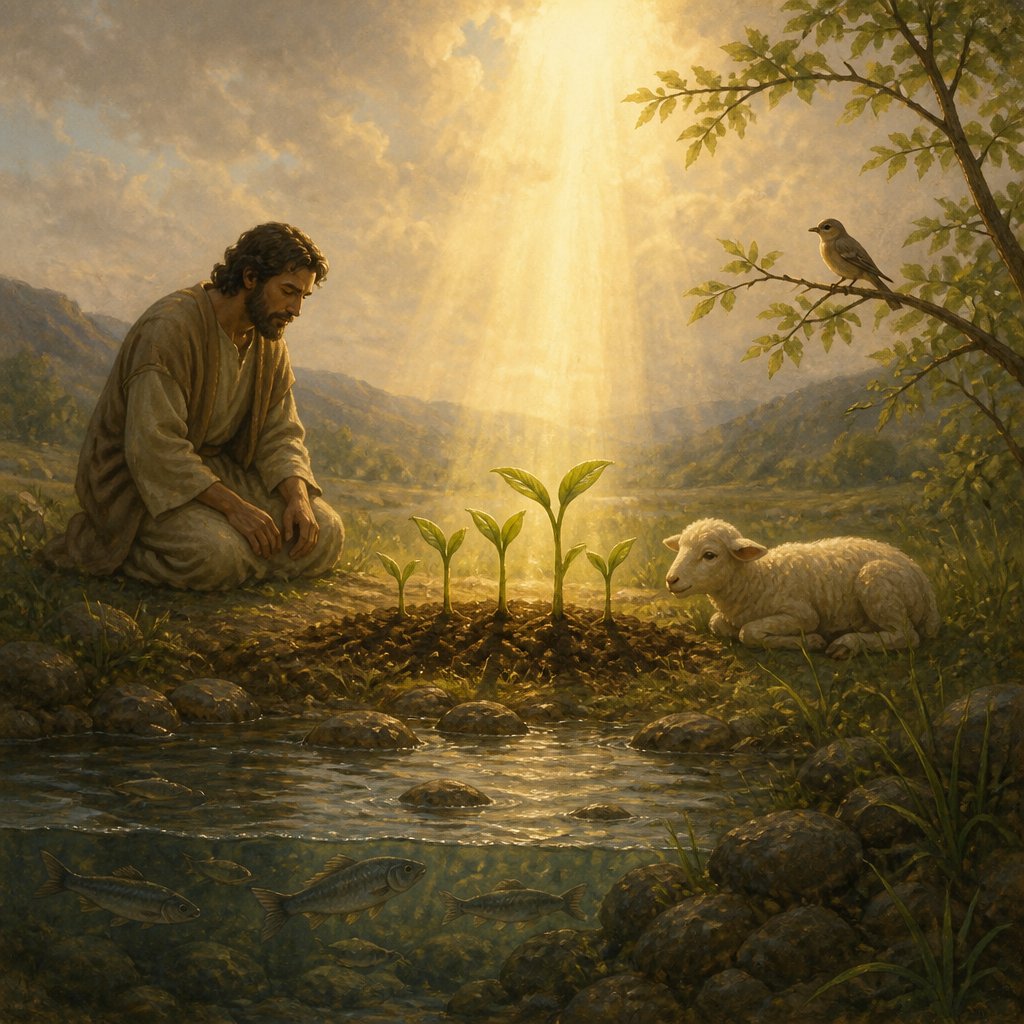
1 Corinthians 15:38-39 (KJV) states, "But God giveth it a body as it hath pleased him, and to every seed his own body. All flesh is not the same flesh: but there is one kind of flesh of men, another flesh of beasts, another of fishes, and another of birds."
This passage from Paul's first letter to the Corinthians is part of his teaching on the resurrection of the dead. In the preceding verses, Paul uses the analogy of a seed being sown in order to illustrate how our earthly bodies will be transformed into imperishable, glorious bodies at the resurrection. Here, he continues to develop this analogy by emphasizing the diversity and distinction of different kinds of flesh and bodies.
The theme of transformation and diversity is central to these verses. Paul highlights the idea that God gives each seed its own unique body as He sees fit. This speaks to the sovereignty and creativity of God in the process of creation. It also reflects the diversity of life on earth, where each plant, animal, and human being is uniquely designed by God.
Furthermore, Paul's reference to "every seed his own body" emphasizes the individuality and specificity of God's creative work. Just as each seed produces its own distinct plant, so too will each person experience a unique transformation in the resurrection. This speaks to the personal and intimate nature of God's care for His creation, as well as His intention for each individual to experience the fullness of His redemptive work.
The phrase "all flesh is not the same flesh" further underscores the diversity and distinction of God's creation. Paul draws a clear distinction between the different kinds of flesh found in humanity, animals, fish, and birds. This serves to emphasize the wide range of life forms that exist on earth, each with its own distinct characteristics and purpose.
Symbolically, this passage can be interpreted as a reflection of the interconnectedness and interdependence of all living things. Just as different kinds of flesh and bodies coexist and depend on one another for sustenance and survival, so too do humans and the rest of creation rely on each other for their well-being.
In a broader context, this passage can also be seen as a reminder of the inherent value and dignity of all forms of life. By highlighting the diversity and uniqueness of each kind of flesh, Paul is emphasizing the beauty and complexity of God's creation. This serves as a call to respect and appreciate the natural world and all living beings, recognizing them as part of God's perfect design.
Ultimately, 1 Corinthians 15:38-39 conveys Paul's message of hope and assurance in the resurrection. By emphasizing the sovereignty and creativity of God in the diversity of creation, Paul is reminding his readers of the transformative power of God's redemptive work. Just as different kinds of seeds produce unique bodies, so too will God bring about the glorious transformation of our earthly bodies in the resurrection, reflecting His divine purpose and design for each individual.
Have questions about 1 Corinthians 15:38-39?
Dive deeper into this scripture with Bible Chat — an AI-powered tool for exploring God's Word through conversation. Ask questions, get context, and grow in your understanding of the Bible.
Get Our Apps


1 Corinthians 15:38-39 Artwork

1 Corinthians 15:38-39 - "But God gives it a body as he has determined, and to each kind of seed he gives its own body. Not all flesh is the same: People have one kind of flesh, animals have another, birds another and fish another."

"But God gives it a body as he has determined, and to each kind of seed he gives its own body. Not all flesh is the same: People have one kind of flesh, animals have another, birds another and fish another." - 1 Corinthians 15:38-39

1 Corinthians 15:38 - "But God giveth it a body as it hath pleased him, and to every seed his own body."

1 Corinthians 15:39 - "All flesh is not the same flesh: but there is one kind of flesh of men, another flesh of beasts, another of fishes, and another of birds."

1 Corinthians 14:39-40

"But God giveth it a body as it hath pleased him, and to every seed his own body." - 1 Corinthians 15:38

1 Corinthians 14:39 - "Wherefore, brethren, covet to prophesy, and forbid not to speak with tongues."

1 Corinthians 14:38 - "But if any man be ignorant, let him be ignorant."

Romans 8:38-39
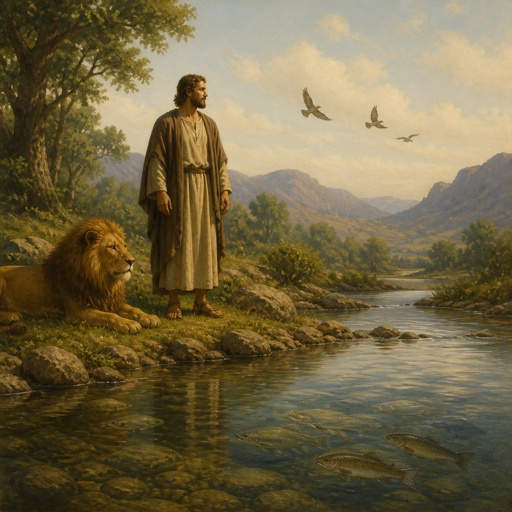
"All flesh is not the same flesh: but there is one kind of flesh of men, another flesh of beasts, another of fishes, and another of birds." - 1 Corinthians 15:39

1 Corinthians 15:36

1 Corinthians 7:38 - "So then he that giveth her in marriage doeth well; but he that giveth her not in marriage doeth better."

"But if any man be ignorant, let him be ignorant." - 1 Corinthians 14:38

Job 38:39 - "Wilt thou hunt the prey for the lion? or fill the appetite of the young lions,"

Exodus 39:38 - "And the golden altar, and the anointing oil, and the sweet incense, and the hanging for the tabernacle door,"

1 Corinthians 7:39 - "The wife is bound by the law as long as her husband liveth; but if her husband be dead, she is at liberty to be married to whom she will; only in the Lord."

"Wherefore, brethren, covet to prophesy, and forbid not to speak with tongues." - 1 Corinthians 14:39

1 Corinthians 15:13 - "But if there be no resurrection of the dead, then is Christ not risen:"

1 Corinthians 15:51-52

1 Corinthians 15:51-52

1 Corinthians 15:51-52

1 Corinthians 15:5 - "And that he was seen of Cephas, then of the twelve:"

1 Corinthians 15:16 - "For if the dead rise not, then is not Christ raised:"

1 Corinthians 15:26 - "The last enemy that shall be destroyed is death."

1 Corinthians 15:51-52

1 Corinthians 15:8-11

1 Corinthians 15:7 - "After that, he was seen of James; then of all the apostles."

1 Corinthians 1:15 - "Lest any should say that I had baptized in mine own name."

1 Corinthians 15:30 - "And why stand we in jeopardy every hour?"

1 Corinthians 15:48 - "As is the earthy, such are they also that are earthy: and as is the heavenly, such are they also that are heavenly."