What does 1 Corinthians 14:27 mean?
"If any man speak in an unknown tongue, let it be by two, or at the most by three, and that by course; and let one interpret." - 1 Corinthians 14:27
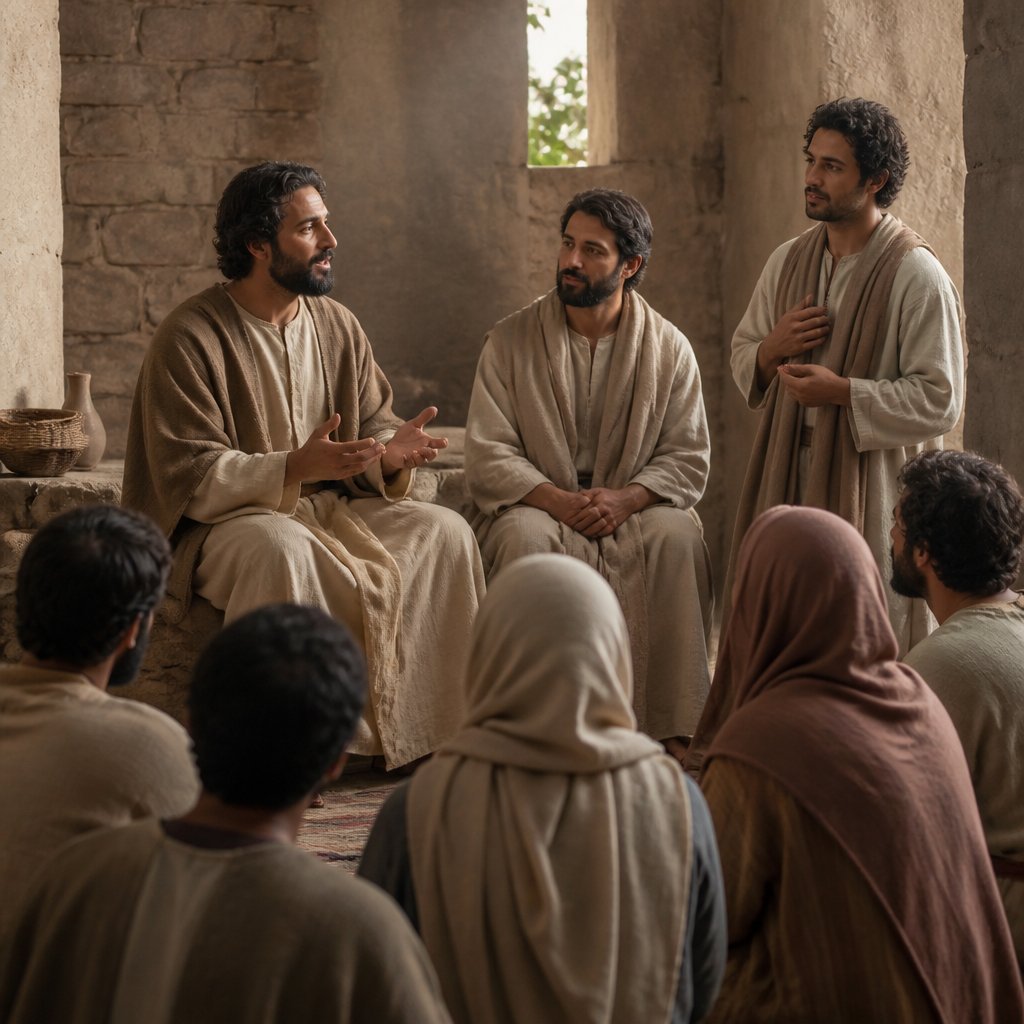
1 Corinthians 14:27 (KJV) states, "If any man speak in an unknown tongue, let it be by two, or at the most by three, and that by course; and let one interpret." This verse is found within a larger passage in the book of 1 Corinthians where the apostle Paul is addressing the issue of speaking in tongues within the church. In this specific verse, Paul provides guidelines for the orderly practice of speaking in tongues during church gatherings.
The context of this verse is important for understanding its significance. In the early Christian church, speaking in tongues was a common occurrence. It was seen as a gift from the Holy Spirit and was often associated with the initial reception of the Spirit. However, the Corinthian church had begun to misuse this spiritual gift, using it as a means of self-edification and causing disorder within their meetings. In response to this, Paul seeks to bring order and understanding to the use of spiritual gifts, including speaking in tongues.
The theme of order and edification within the church is central to Paul's message in this passage. Paul emphasizes the importance of using spiritual gifts, such as speaking in tongues, in a way that builds up and edifies the body of believers. He urges the Corinthians to pursue love and earnestly desire spiritual gifts, but to use them in a way that promotes unity and understanding within the church.
The symbolism in this verse is closely tied to the idea of spiritual gifts and the functioning of the body of Christ. The guidelines provided by Paul reflect the need for balance and order in the exercise of spiritual gifts. By limiting the number of individuals speaking in tongues and requiring interpretation, Paul is emphasizing the importance of maintaining order and understanding within the church. The use of tongues should not be a chaotic or self-serving display, but rather a means of edifying the body of believers.
Additionally, the emphasis on interpretation in this verse points to the importance of understanding and communication within the church. Speaking in tongues without interpretation can lead to confusion and division, but when accompanied by interpretation, it can serve to build up and encourage the church. This highlights the idea of unity and cooperation within the body of Christ, where each member plays a valuable role in contributing to the edification of the whole.
Overall, 1 Corinthians 14:27 offers valuable insights into the proper use of spiritual gifts, particularly speaking in tongues, within the context of the early Christian church. It serves as a reminder of the importance of order, understanding, and edification within the body of believers. This verse continues to hold relevance for contemporary Christian communities, encouraging a thoughtful and considerate approach to the exercise of spiritual gifts for the building up of the church.
Have questions about 1 Corinthians 14:27?
Dive deeper into this scripture with Bible Chat — an AI-powered tool for exploring God's Word through conversation. Ask questions, get context, and grow in your understanding of the Bible.
Get Our Apps


1 Corinthians 14:27 Artwork

1 Corinthians 14:27 - "If any man speak in an unknown tongue, let it be by two, or at the most by three, and that by course; and let one interpret."
"If any man speak in an unknown tongue, let it be by two, or at the most by three, and that by course; and let one interpret." - 1 Corinthians 14:27

1 Corinthians 9:25-27

1 Corinthians 9:25-27

1 Corinthians 9:25-27

1 Corinthians 9:25-27

1 Corinthians 12:27

1 Corinthians 14:1

1 corinthians 14:1

1 Corinthians 14:36

1 Corinthians 14:37

1 Corinthians 14:36

1 Corinthians 12:27 - "Now ye are the body of Christ, and members in particular."

1 Corinthians 14:26-33

1 Corinthians 14:36-40

1 Corinthians 14:36-37

1 Corinthians 14:39-40

1 Samuel 14:27

1 Corinthians 14:14 - "For if I pray in an unknown tongue, my spirit prayeth, but my understanding is unfruitful."

1 Corinthians 12:14 - "For the body is not one member, but many."

1 Corinthians 14:32 - "And the spirits of the prophets are subject to the prophets."

Psalm 27:13-14

1 Corinthians 14:40 - "Let all things be done decently and in order."

1 Corinthians 16:14 - "Let all your things be done with charity."

1 Corinthians 1:14 - "I thank God that I baptized none of you, but Crispus and Gaius;"

1 Corinthians 14:38 - "But if any man be ignorant, let him be ignorant."

1 Corinthians 14:1 - "Follow after charity, and desire spiritual gifts, but rather that ye may prophesy."

1 Corinthians 14:17 - "For thou verily givest thanks well, but the other is not edified."

1 Corinthians 14:33 - "For God is not the author of confusion, but of peace, as in all churches of the saints."

1 Corinthians 10:14 - "Wherefore, my dearly beloved, flee from idolatry."