What does 1 Corinthians 11:14 mean?
"Doth not even nature itself teach you, that, if a man have long hair, it is a shame unto him?" - 1 Corinthians 11:14
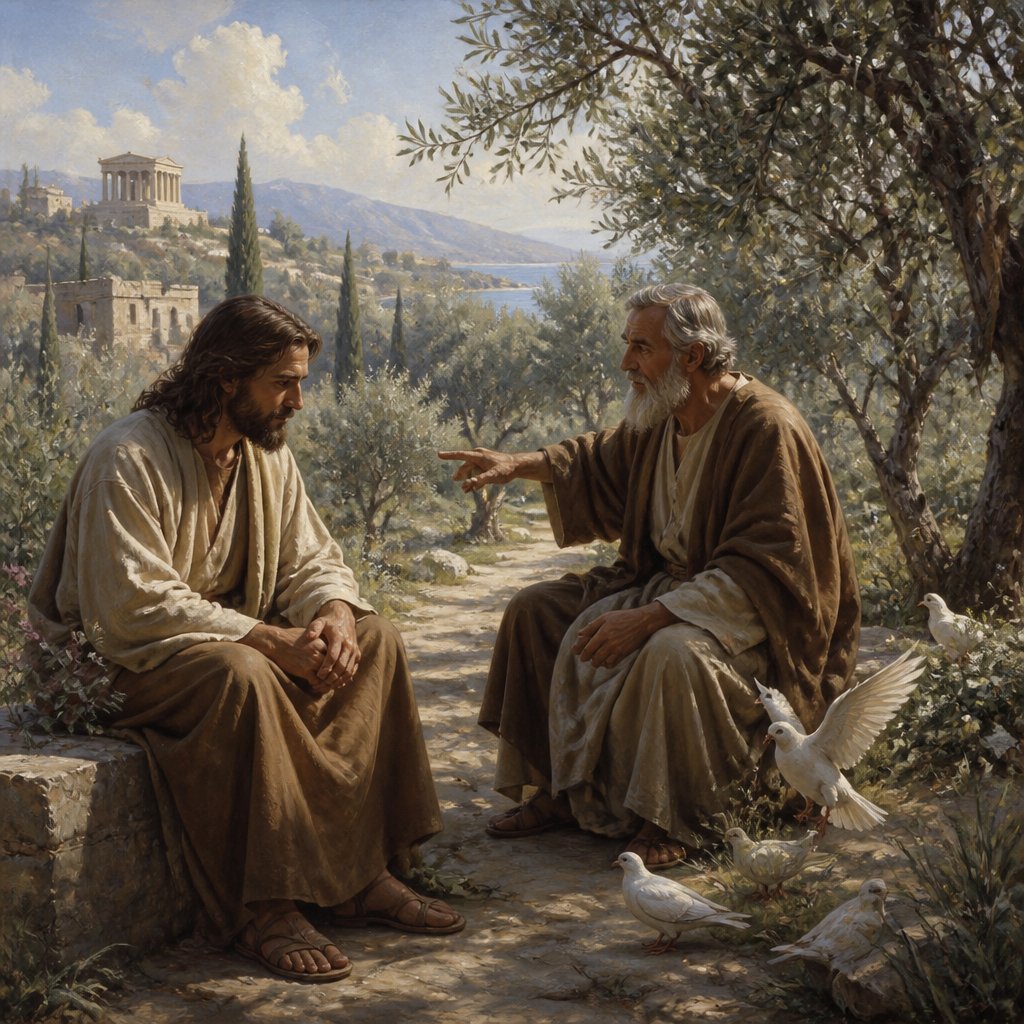
1 Corinthians 11:14 (KJV) states, "Doth not even nature itself teach you, that, if a man have long hair, it is a shame unto him?" This verse from the New Testament of the Bible holds significant meaning and has generated much discussion and debate among theologians and scholars throughout history. This verse is found in the context of Paul's teachings to the Corinthian church regarding proper conduct and order within the church, particularly in relation to the distinction of gender roles and the importance of maintaining distinctions between them.
In order to truly understand the profound significance of this verse, it is essential to delve into its historical and cultural context. The Corinthian church was situated in a cultural milieu that was heavily influenced by Greek and Roman customs and practices. One of the prevailing traditions of the time was the association of certain physical attributes with particular gender roles, and hairstyles were no exception. In this cultural context, long hair was commonly associated with femininity and was considered inappropriate for men. Therefore, when Paul asked, "Doth not even nature itself teach you, that, if a man have long hair, it is a shame unto him?" he was appealing to the natural order and the cultural norms of the time to reinforce his argument.
Paul's statement in 1 Corinthians 11:14 is not merely a prescription for hairstyles, but rather an appeal to the overarching theme of order and decorum within the church. The verse reflects Paul's intention to maintain the distinction between male and female roles within the church, and to avoid behaviors that could potentially blur these distinctions. The emphasis on maintaining traditional gender roles and distinctions is consistent with Paul's teachings in other letters, such as Ephesians 5:22-33 and Colossians 3:18-19, where he addresses the roles of husbands and wives within the context of marriage.
Furthermore, the verse in question touches upon the broader theme of the cultural and social implications of Christian behavior. Paul's teachings in this passage are not simply about the length of one's hair, but about the importance of reflecting the values and expectations of the society in which the church is situated. In the ancient Greco-Roman world, appearances and behaviors were closely linked to social status and identity. Thus, in advocating for the adherence to societal norms regarding grooming and appearance, Paul was aiming to ensure that the Corinthian believers were not needlessly alienating themselves from the broader society and hindering the spread of the gospel.
In addition to its cultural and contextual significance, 1 Corinthians 11:14 can also be understood symbolically. The directive regarding hair length can be seen as a metaphor for the broader concept of submission and humility. Throughout the Bible, hair often carries symbolic significance, and long hair, in particular, has been associated with traits such as strength, pride, and individuality. By advocating for modest and gender-appropriate hairstyles, Paul may have been urging the Corinthian believers to embrace humility and to eschew behaviors and appearances that could be perceived as arrogant or defiant.
In conclusion, 1 Corinthians 11:14 is a verse that speaks to the broader themes of order, cultural relevance, and humility within the Christian community. While the specific guidance regarding hairstyles may reflect the cultural context of the ancient Corinthian church, the underlying principles of maintaining gender distinctions and cultural relevance remain relevant for contemporary believers. This verse serves as a reminder that, as Christians, our behavior and appearance should be reflective of our commitment to humility, cultural sensitivity, and a willingness to adhere to societal norms that do not compromise our faith.
Have questions about 1 Corinthians 11:14?
Dive deeper into this scripture with Bible Chat — an AI-powered tool for exploring God's Word through conversation. Ask questions, get context, and grow in your understanding of the Bible.
Get Our Apps


1 Corinthians 11:14 Artwork

1 Corinthians 11:14 - "Doth not even nature itself teach you, that, if a man have long hair, it is a shame unto him?"
"Doth not even nature itself teach you, that, if a man have long hair, it is a shame unto him?" - 1 Corinthians 11:14

1 Corinthians 14:11 - "Therefore if I know not the meaning of the voice, I shall be unto him that speaketh a barbarian, and he that speaketh shall be a barbarian unto me."

2 Corinthians 11:14 - "And no marvel; for Satan himself is transformed into an angel of light."

1 Corinthians 14:1

1 corinthians 14:1

1 Corinthians 14:36

1 Corinthians 14:36

1 Corinthians 14:37

1 Corinthians 14:39-40

1 Corinthians 14:26-33

1 Corinthians 14:36-40

1 Corinthians 14:36-37

1 Corinthians 11:26-29

1 Corinthians 11:26-29

1 Corinthians 14:14 - "For if I pray in an unknown tongue, my spirit prayeth, but my understanding is unfruitful."

1 Corinthians 12:14 - "For the body is not one member, but many."

1 Corinthians 14:32 - "And the spirits of the prophets are subject to the prophets."

1 Corinthians 11:8 - "For the man is not of the woman; but the woman of the man."

1 Corinthians 11:1 - "Be ye followers of me, even as I also am of Christ."

1 Corinthians 11:11 - "Nevertheless neither is the man without the woman, neither the woman without the man, in the Lord."

1 Corinthians 14:40 - "Let all things be done decently and in order."

1 Corinthians 16:14 - "Let all your things be done with charity."

1 Corinthians 1:14 - "I thank God that I baptized none of you, but Crispus and Gaius;"

1 Corinthians 15:8-11
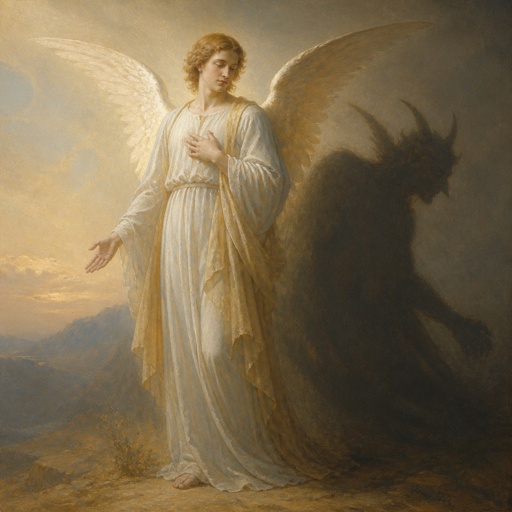
"And no marvel; for Satan himself is transformed into an angel of light." - 2 Corinthians 11:14

Nehemiah 11:11-14

1 Corinthians 14:38 - "But if any man be ignorant, let him be ignorant."

1 Corinthians 14:1 - "Follow after charity, and desire spiritual gifts, but rather that ye may prophesy."

1 Corinthians 14:17 - "For thou verily givest thanks well, but the other is not edified."