What does 1 Chronicles 9:34 mean?
"These chief fathers of the Levites were chief throughout their generations; these dwelt at Jerusalem." - 1 Chronicles 9:34
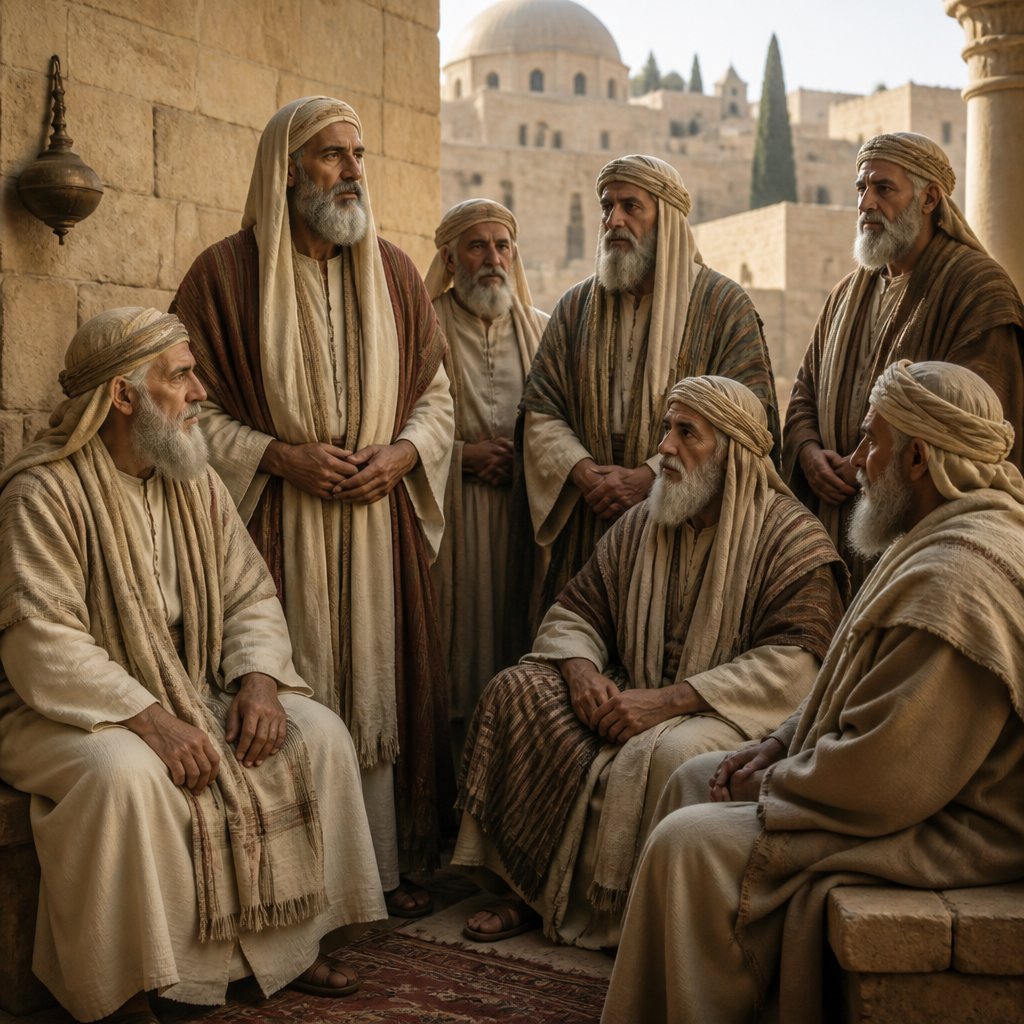
The verse 1 Chronicles 9:34 in the King James Version of the Bible reads: "These chief fathers of the Levites were chief throughout their generations; these dwelt at Jerusalem."
1 Chronicles is part of the historical books in the Old Testament and is believed to have been written by the prophet Ezra. This particular verse describes the Levites, who were the descendants of Levi, one of the twelve sons of Jacob. The Levites were set apart as priests and caretakers of the tabernacle and later the temple.
The verse emphasizes the continuity of leadership and service among the Levites throughout their generations. They held a significant role in the worship and service of God in the nation of Israel. The fact that they "dwelt at Jerusalem" signifies that they were present in the holy city, where the temple of God was located. This highlights the importance of their service in the central place of worship for the Israelites.
The theme of continuity and faithfulness in service is prominent in this verse. The role of the Levites was not temporary or limited to a specific period, but it endured throughout their generations. This demonstrates their commitment to the service of God and the maintaining of their responsibilities as caretakers of the tabernacle and later the temple.
The verse also highlights the significance of Jerusalem as the central place of worship for the Israelites. Jerusalem held great religious and historical importance for the nation of Israel, and the fact that the Levites dwelt there underscores its significance as the spiritual center of the nation.
Symbolically, the Levites represent faithfulness and dedication to the service of God. Their role as priests and caretakers of the tabernacle and temple signifies their spiritual leadership and their responsibilities in the worship of God. Jerusalem symbolizes the presence of God among His people and the central place of worship.
In the broader context of the book of 1 Chronicles, this verse is part of a detailed account of the genealogies of the Israelites, particularly focusing on the descendants of Levi and their roles in the worship and service of God. The book emphasizes the importance of maintaining the traditions and roles of the Levites in the religious life of the Israelites.
Overall, 1 Chronicles 9:34 underscores the theme of continuity and faithfulness in the service of God, particularly among the Levites. It also symbolizes the significance of Jerusalem as the spiritual center of the nation of Israel. As a part of the historical books of the Bible, this verse provides valuable insights into the religious and cultural practices of the Israelites and the importance of their faithfulness to God.
Have questions about 1 Chronicles 9:34?
Dive deeper into this scripture with Bible Chat — an AI-powered tool for exploring God's Word through conversation. Ask questions, get context, and grow in your understanding of the Bible.
Get Our Apps


1 Chronicles 9:34 Artwork

1 Chronicles 9:34 - "These chief fathers of the Levites were chief throughout their generations; these dwelt at Jerusalem."

"These chief fathers of the Levites were chief throughout their generations; these dwelt at Jerusalem." - 1 Chronicles 9:34

1 Chronicles 1:34 - "And Abraham begat Isaac. The sons of Isaac; Esau and Israel."

1 Chronicles 4:34 - "And Meshobab, and Jamlech, and Joshah the son of Amaziah,"

1 Chronicles 7:34 - "And the sons of Shamer; Ahi, and Rohgah, Jehubbah, and Aram."

1 Chronicles 11:34 - "The sons of Hashem the Gizonite, Jonathan the son of Shage the Hararite,"

1 Chronicles 6:34 - "The son of Elkanah, the son of Jeroham, the son of Eliel, the son of Toah,"

1 Chronicles 8:34 - "And the son of Jonathan was Merib-baal; and Merib-baal begat Micah."

1 Chronicles 12:34 - "And of Naphtali a thousand captains, and with them with shield and spear thirty and seven thousand."

1 Chronicles 27:34 - "And after Ahithophel was Jehoiada the son of Benaiah, and Abiathar: and the general of the king's army was Joab."

1 Chronicles 16:34 - "O give thanks unto the LORD; for he is good; for his mercy endureth for ever."

1 Chronicles 2:34 - "¶ Now Sheshan had no sons, but daughters. And Sheshan had a servant, an Egyptian, whose name was Jarha."

2 Chronicles 34:1 - "Josiah was eight years old when he began to reign, and he reigned in Jerusalem one and thirty years."

"And Abraham begat Isaac. The sons of Isaac; Esau and Israel." - 1 Chronicles 1:34

"And Meshobab, and Jamlech, and Joshah the son of Amaziah," - 1 Chronicles 4:34

"And the sons of Shamer; Ahi, and Rohgah, Jehubbah, and Aram." - 1 Chronicles 7:34

1 Chronicles 9:37 - "And Gedor, and Ahio, and Zechariah, and Mikloth."

1 Chronicles 9:10 - "¶ And of the priests; Jedaiah, and Jehoiarib, and Jachin,"

1 Chronicles 24:9 - "The fifth to Malchijah, the sixth to Mijamin,"
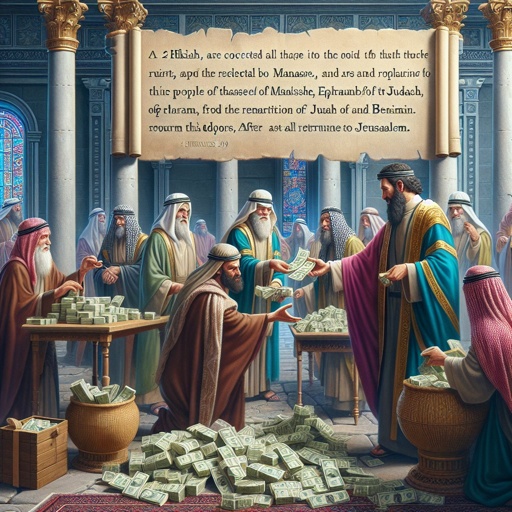
2 Chronicles 34:9 - "And when they came to Hilkiah the high priest, they delivered the money that was brought into the house of God, which the Levites that kept the doors had gathered of the hand of Manasseh and Ephraim, and of all the remnant of Israel, and of all Judah and Benjamin; and they returned to Jerusalem."

1 Chronicles 9:5 - "And of the Shilonites; Asaiah the firstborn, and his sons."

"The sons of Hashem the Gizonite, Jonathan the son of Shage the Hararite," - 1 Chronicles 11:34

2 Chronicles 34:19

2 Chronicles 34:19

1 Chronicles 6:9 - "And Ahimaaz begat Azariah, and Azariah begat Johanan,"

1 Chronicles 9:30 - "And some of the sons of the priests made the ointment of the spices."

1 Chronicles 12:9 - "Ezer the first, Obadiah the second, Eliab the third,"

"And the son of Jonathan was Merib-baal; and Merib-baal begat Micah." - 1 Chronicles 8:34

1 Chronicles 14:9 - "And the Philistines came and spread themselves in the valley of Rephaim."

1 Chronicles 1:9 - "And the sons of Cush; Seba, and Havilah, and Sabta, and Raamah, and Sabtecha. And the sons of Raamah; Sheba, and Dedan."