What does 1 Chronicles 9:11 mean?
"And Azariah the son of Hilkiah, the son of Meshullam, the son of Zadok, the son of Meraioth, the son of Ahitub, the ruler of the house of God;" - 1 Chronicles 9:11
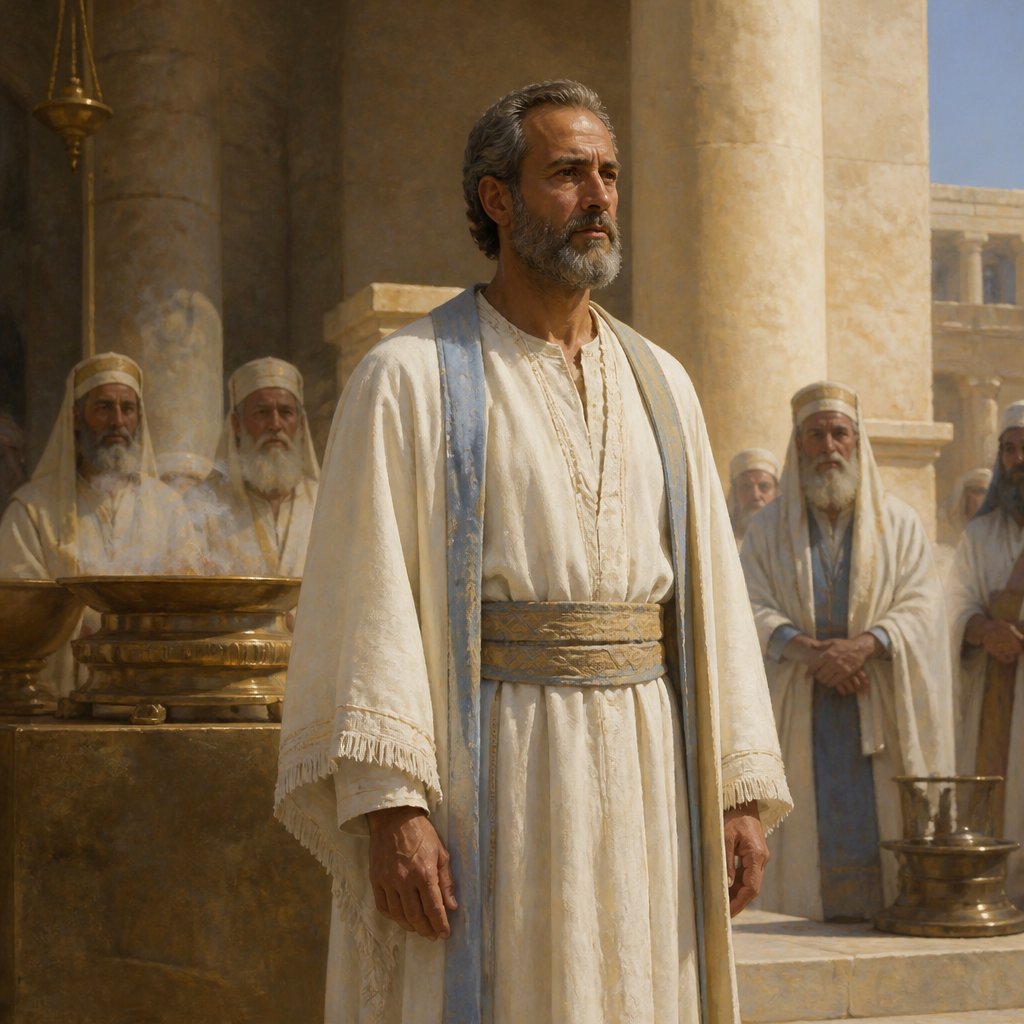
1 Chronicles 9:11 (KJV) states, "And Azariah the son of Hilkiah, the son of Meshullam, the son of Zadok, the son of Meraioth, the son of Ahitub, the ruler of the house of God."
The book 1 Chronicles is a part of the Hebrew Bible and the Christian Old Testament. It is a genealogical record and a historical account of the genealogy of the Israelites, focusing specifically on the lineage from Adam to King David. The verse 1 Chronicles 9:11 is a part of the genealogical record of the Israelites and specifically mentions the lineage of Azariah, who was a ruler of the house of God.
The verse can be interpreted in various ways, and one of the key themes it conveys is the importance of lineage and heritage in the history of the Israelites. Azariah's lineage is traced back through several generations, highlighting the significance of his family background and its connection to the leadership of the house of God. This emphasis on lineage and heritage is characteristic of the broader themes in 1 Chronicles, where the genealogy of the Israelites is meticulously documented to establish their historical and religious significance.
Azariah's position as the ruler of the house of God also holds symbolic significance within the context of biblical history. The house of God refers to the temple in Jerusalem, which was the central place of worship for the Israelites and a symbol of their covenant with God. As a ruler of the house of God, Azariah held a position of authority and responsibility in overseeing the religious practices and ceremonies conducted in the temple. This reflects the importance of religious leadership and the preservation of religious traditions within the Israelite community.
Furthermore, Azariah's lineage can also be seen as a representation of the continuity and faithfulness of God's covenant with the Israelites. The mention of his ancestors, including Hilkiah, Meshullam, Zadok, and Meraioth, underscores the divine faithfulness passed down through generations. This continuity of faith and leadership within Azariah's lineage reinforces the idea of God's ongoing presence and providence among his people.
In a broader theological sense, the verse also points to the concept of divine appointment and authority. The position of ruler of the house of God was not merely a hereditary title, but it also symbolized the divine calling and commissioning of individuals to serve in leadership roles within the religious community. Azariah's lineage, therefore, serves as a testament to the divine sovereignty and providential guidance in selecting and sustaining leaders for the spiritual well-being of the Israelites.
Overall, 1 Chronicles 9:11 carries themes of lineage, religious leadership, and divine appointment within the historical and theological context of the Israelites. It highlights the significance of Azariah's familial heritage, his leadership role in the house of God, and the divine faithfulness passed down through generations. This verse provides a valuable insight into the historical and religious significance of the Israelites and the enduring themes of faith and divine providence within their community.
Have questions about 1 Chronicles 9:11?
Dive deeper into this scripture with Bible Chat — an AI-powered tool for exploring God's Word through conversation. Ask questions, get context, and grow in your understanding of the Bible.
Get Our Apps


1 Chronicles 9:11 Artwork

1 Chronicles 9:11 - "And Azariah the son of Hilkiah, the son of Meshullam, the son of Zadok, the son of Meraioth, the son of Ahitub, the ruler of the house of God;"
"And Azariah the son of Hilkiah, the son of Meshullam, the son of Zadok, the son of Meraioth, the son of Ahitub, the ruler of the house of God;" - 1 Chronicles 9:11

1 Chronicles 11:9 - "So David waxed greater and greater: for the LORD of hosts was with him."

2 Chronicles 11:9 - "And Adoraim, and Lachish, and Azekah,"
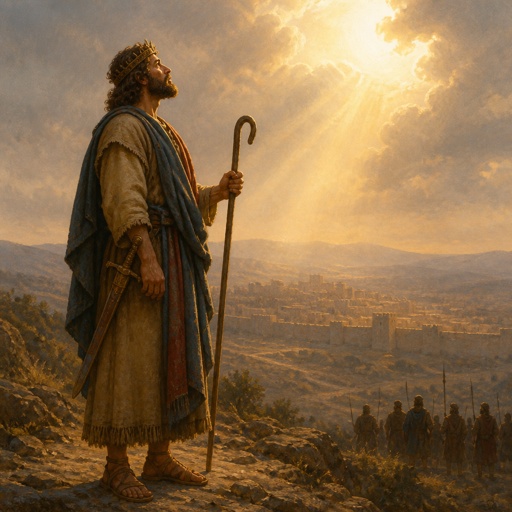
"So David waxed greater and greater: for the LORD of hosts was with him." - 1 Chronicles 11:9

"And Adoraim, and Lachish, and Azekah," - 2 Chronicles 11:9

1 Chronicles 1:11 - "And Mizraim begat Ludim, and Anamim, and Lehabim, and Naphtuhim,"

1 Chronicles 11:29 - "Sibbecai the Hushathite, Ilai the Ahohite,"

1 Chronicles 12:11 - "Attai the sixth, Eliel the seventh,"

1 Chronicles 11:40 - "Ira the Ithrite, Gareb the Ithrite,"

1 Chronicles 24:11 - "The ninth to Jeshua, the tenth to Shecaniah,"

1 Chronicles 11:27 - "Shammoth the Harorite, Helez the Pelonite,"

1 Chronicles 11:36 - "Hepher the Mecherathite, Ahijah the Pelonite,"

1 Chronicles 11:47 - "Eliel, and Obed, and Jasiel the Mesobaite."

1 Chronicles 11:33 - "Azmaveth the Baharumite, Eliahba the Shaalbonite,"

1 Chronicles 9:37 - "And Gedor, and Ahio, and Zechariah, and Mikloth."

1 Chronicles 9:10 - "¶ And of the priests; Jedaiah, and Jehoiarib, and Jachin,"

1 Chronicles 24:9 - "The fifth to Malchijah, the sixth to Mijamin,"

1 Chronicles 8:11 - "And of Hushim he begat Abitub, and Elpaal."

1 Chronicles 11:43 - "Hanan the son of Maachah, and Joshaphat the Mithnite,"

1 Chronicles 11:32 - "Hurai of the brooks of Gaash, Abiel the Arbathite,"

1 Chronicles 11:41 - "Uriah the Hittite, Zabad the son of Ahlai,"

1 Chronicles 11:37 - "Hezro the Carmelite, Naarai the son of Ezbai,"

1 Chronicles 9:5 - "And of the Shilonites; Asaiah the firstborn, and his sons."

1 Chronicles 6:11 - "And Azariah begat Amariah, and Amariah begat Ahitub,"

1 Chronicles 11:30 - "Maharai the Netophathite, Heled the son of Baanah the Netophathite,"

1 Chronicles 2:11 - "And Nahshon begat Salma, and Salma begat Boaz,"

Isaiah 11:1-9

Isaiah 11:1-9

1 Chronicles 11:38 - "Joel the brother of Nathan, Mibhar the son of Haggeri,"