What does 1 Chronicles 8:13 mean?
"Beriah also, and Shema, who were heads of the fathers of the inhabitants of Aijalon, who drove away the inhabitants of Gath:" - 1 Chronicles 8:13
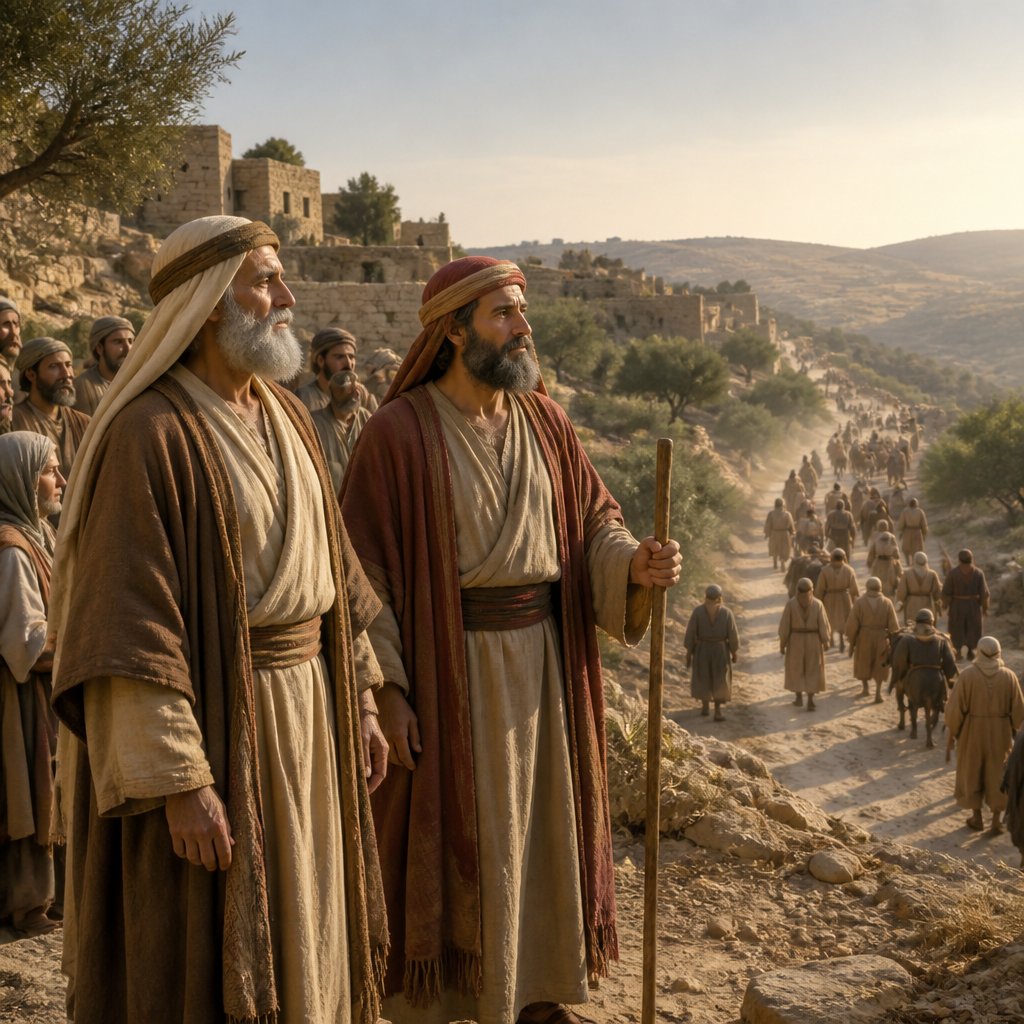
Sure, here is a detailed and in-depth meaning and commentary for 1 Chronicles 8:13 from the King James Version (KJV):
1 Chronicles 8:13 (KJV) - "Beriah also, and Shema, who were heads of the fathers of the inhabitants of Aijalon, who drove away the inhabitants of Gath."
The book of 1 Chronicles is a historical and genealogical record of the descendants of Jacob, also known as Israel. This particular verse is part of a list of genealogies of Benjamin, one of the twelve sons of Jacob. The verse mentions two individuals, Beriah and Shema, who were leaders of the households in Aijalon and were responsible for driving out the inhabitants of Gath.
The context of this verse is important for understanding its significance. The tribe of Benjamin holds a unique position in the history of Israel. The descendants of Benjamin played a significant role in the nation's history, especially during the time of the judges and kings. Understanding the genealogy of Benjamin helps to establish the lineage of important figures in Israel's history, such as King Saul, the first king of Israel.
In this verse, the focus is on two men, Beriah and Shema, who are described as "heads of the fathers." This indicates that they held positions of leadership and authority within their community. The fact that they are specifically mentioned in the genealogy highlights their importance within the tribe of Benjamin. It is notable that they are credited with driving out the inhabitants of Gath, a Philistine city. This indicates that they were involved in military action and were successful in removing a significant threat to their people.
The symbolism in this verse can be seen in the names of the individuals mentioned. The name "Beriah" means "evil" or "tragedy," while "Shema" means "to hear" or "obey." These names can be interpreted symbolically within the context of the verse. The presence of evil or tragedy in the land, represented by the inhabitants of Gath, was overcome by the obedience and action of these leaders. This can be seen as a symbolic representation of the triumph of good over evil, obedience over disobedience, and the power of leadership in the face of adversity.
The themes present in this verse include leadership, courage, and victory. Beriah and Shema are portrayed as strong leaders who took action to protect their people and secure their land. Their example serves as a reminder of the importance of leadership and the courage required to confront and overcome threats. This theme of victory over enemies is a recurring motif throughout the Bible, illustrating the faithfulness of God in delivering his people from their adversaries.
In conclusion, 1 Chronicles 8:13 provides a glimpse into the genealogy and history of the tribe of Benjamin. It highlights the significance of two leaders, Beriah and Shema, who played a crucial role in securing their land and driving out their enemies. The symbolism, themes, and context of this verse contribute to its importance within the larger narrative of the Bible, emphasizing the enduring themes of leadership, courage, and triumph over adversity.
Have questions about 1 Chronicles 8:13?
Dive deeper into this scripture with Bible Chat — an AI-powered tool for exploring God's Word through conversation. Ask questions, get context, and grow in your understanding of the Bible.
Get Our Apps


1 Chronicles 8:13 Artwork

1 Chronicles 8:13 - "Beriah also, and Shema, who were heads of the fathers of the inhabitants of Aijalon, who drove away the inhabitants of Gath:"
"Beriah also, and Shema, who were heads of the fathers of the inhabitants of Aijalon, who drove away the inhabitants of Gath:" - 1 Chronicles 8:13

1 Chronicles 13:8 - "And David and all Israel played before God with all their might, and with singing, and with harps, and with psalteries, and with timbrels, and with cymbals, and with trumpets."

1 Chronicles 1:13 - "And Canaan begat Zidon his firstborn, and Heth,"

1 Chronicles 1:8 - "¶ The sons of Ham; Cush, and Mizraim, Put, and Canaan."

1 Chronicles 13:1 - "And David consulted with the captains of thousands and hundreds, and with every leader."

1 Chronicles 8:31 - "And Gedor, and Ahio, and Zacher."

1 Chronicles 8:20 - "And Elienai, and Zilthai, and Eliel,"

1 Chronicles 8:19 - "And Jakim, and Zichri, and Zabdi,"

1 Chronicles 8:24 - "And Hananiah, and Elam, and Antothijah,"

1 chronicles 12:8

1 Chronicles 24:13 - "The thirteenth to Huppah, the fourteenth to Jeshebeab,"

1 Chronicles 12:13 - "Jeremiah the tenth, Machbanai the eleventh."

1 Chronicles 8:2 - "Nohah the fourth, and Rapha the fifth."

1 Chronicles 8:26 - "And Shamsherai, and Shehariah, and Athaliah,"

1 Chronicles 8:5 - "And Gera, and Shephuphan, and Huram."

1 Chronicles 8:22 - "And Ishpan, and Heber, and Eliel,"

1 Chronicles 2:8 - "And the sons of Ethan; Azariah."

1 Chronicles 8:14 - "And Ahio, Shashak, and Jeremoth,"

1 Chronicles 8:23 - "And Abdon, and Zichri, and Hanan,"

1 Chronicles 8:4 - "And Abishua, and Naaman, and Ahoah,"

1 Chronicles 8:15 - "And Zebadiah, and Arad, and Ader,"

2 Kings 13:8 - "¶ Now the rest of the acts of Jehoahaz, and all that he did, and his might, are they not written in the book of the chronicles of the kings of Israel?"

Romans 13:8

Luke 8:13

Luke 8:13

Luke 8:13

Matthew 13:8

Romans 13:8

1 Chronicles 3:8 - "And Elishama, and Eliada, and Eliphelet, nine."