What does 1 Chronicles 7:1 mean?
"Now the sons of Issachar were, Tola, and Puah, Jashub, and Shimron, four." - 1 Chronicles 7:1
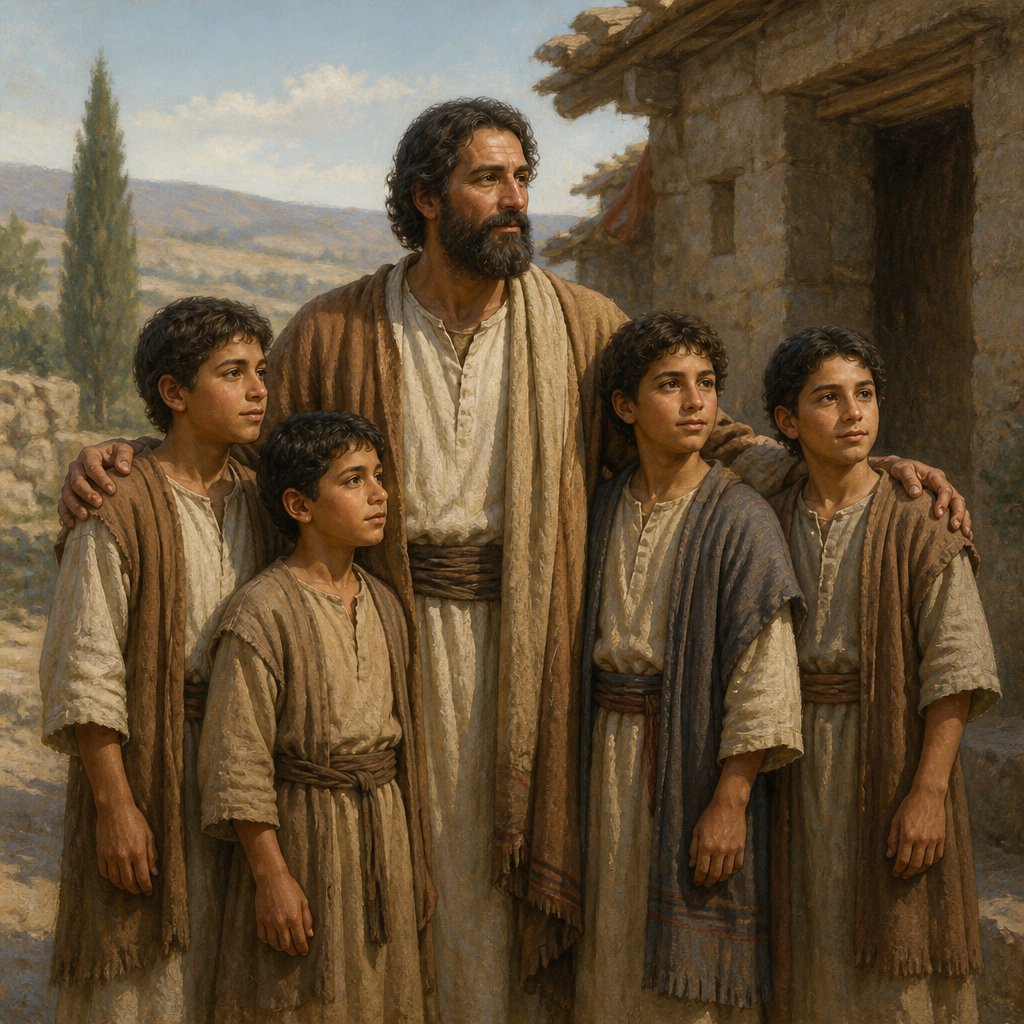
The Bible verse 1 Chronicles 7:1 from the King James Version (KJV) states: "Now the sons of Issachar were, Tola, and Puah, Jashub, and Shimron, four."
The book of 1 Chronicles is part of the historical books of the Old Testament. It is believed to have been written by Ezra, a scribe and priest, and it serves as a record of the genealogies of the tribes of Israel. The verse in question specifically lists the sons of Issachar, who was one of the twelve sons of Jacob and Leah and the founder of the Israelite tribe of Issachar.
In the context of this verse, it is important to understand the significance of genealogy within the Israelite culture. Genealogy was of utmost importance to the Israelites, as it determined one's heritage, tribe, and inheritance. The genealogies recorded in 1 Chronicles served as a way to establish the legitimacy of the Davidic kings, as well as to preserve the lineage of the Israelite tribes.
The verse lists the four sons of Issachar: Tola, Puah, Jashub, and Shimron. Each of these names holds symbolic significance within the context of the Israelite culture and the overall theme of lineage and heritage. Tola means "scarlet," which may symbolize wealth and prosperity. Puah means "splendid" or "splendor," reflecting an aspect of honor and beauty. Jashub means "he will return" or "he will repent," suggesting a theme of redemption and restoration. Finally, Shimron means "watcher" or "guard," indicating a sense of vigilance and protection.
From a broader perspective, the verse can also be seen as a reflection of the divine plan and providence. Each individual mentioned in the genealogy has a purpose and a role within the larger narrative of God's plan for the Israelite nation. The specificity of the names and the recording of the genealogy serve as a reminder of God's faithfulness and sovereignty in orchestrating the destinies of His people.
Furthermore, the mentioning of the sons of Issachar serves to reinforce the importance of unity and community within the Israelite tribes. Each tribe had its own unique identity and purpose, but they were ultimately part of a larger collective chosen by God. The genealogies in 1 Chronicles highlight the diversity and individuality of each tribe while affirming their collective identity as the people of Israel.
In conclusion, 1 Chronicles 7:1 is a verse that may seem purely historical and genealogical on the surface, but upon closer examination, it reveals deeper themes of identity, providence, and community within the context of Israelite culture and faith. It serves as a testament to the importance of lineage and heritage, as well as a reminder of God's faithfulness and sovereignty in guiding the destinies of His people.
Have questions about 1 Chronicles 7:1?
Dive deeper into this scripture with Bible Chat — an AI-powered tool for exploring God's Word through conversation. Ask questions, get context, and grow in your understanding of the Bible.
Get Our Apps


1 Chronicles 7:1 Artwork

1 Chronicles 7:1 - "Now the sons of Issachar were, Tola, and Puah, Jashub, and Shimron, four."
"Now the sons of Issachar were, Tola, and Puah, Jashub, and Shimron, four." - 1 Chronicles 7:1

1 Chronicles 1:7 - "And the sons of Javan; Elishah, and Tarshish, Kittim, and Dodanim."

1 Chronicles 14:7 - "And Elishama, and Beeliada, and Eliphalet."

1 Chronicles 3:7 - "And Nogah, and Nepheg, and Japhia,"

1 Chronicles 23:7 - "¶ Of the Gershonites were, Laadan, and Shimei."

1 Chronicles 7:39 - "And the sons of Ulla; Arah, and Haniel, and Rezia."

1 Chronicles 7:38 - "And the sons of Jether; Jephunneh, and Pispah, and Ara."

1 Chronicles 12:7 - "And Joelah, and Zebadiah, the sons of Jeroham of Gedor."

1 Chronicles 7:6 - "¶ The sons of Benjamin; Bela, and Becher, and Jediael, three."

1 Chronicles 7:34 - "And the sons of Shamer; Ahi, and Rohgah, Jehubbah, and Aram."

1 Chronicles 4:7 - "And the sons of Helah were, Zereth, and Jezoar, and Ethnan."

1 Chronicles 6:7 - "Meraioth begat Amariah, and Amariah begat Ahitub,"

1 Chronicles 7:37 - "Bezer, and Hod, and Shamma, and Shilshah, and Ithran, and Beera."

1 Chronicles 7:27 - "Non his son, Jehoshua his son."

1 Chronicles 7:33 - "And the sons of Japhlet; Pasach, and Bimhal, and Ashvath. These are the children of Japhlet."

1 Chronicles 7:32 - "And Heber begat Japhlet, and Shomer, and Hotham, and Shua their sister."

1 Chronicles 21:7 - "And God was displeased with this thing; therefore he smote Israel."

1 Chronicles 7:36 - "The sons of Zophah; Suah, and Harnepher, and Shual, and Beri, and Imrah,"

1 Chronicles 7:19 - "And the sons of Shemidah were, Ahian, and Shechem, and Likhi, and Aniam."

1 Chronicles 11:7 - "And David dwelt in the castle; therefore they called it the city of David."

1 Chronicles 7:31 - "And the sons of Beriah; Heber, and Malchiel, who is the father of Birzavith."

1 Chronicles 7:18 - "And his sister Hammoleketh bare Ishod, and Abiezer, and Mahalah."

1 Chronicles 7:30 - "The sons of Asher; Imnah, and Isuah, and Ishuai, and Beriah, and Serah their sister."

1 Chronicles 7:13 - "¶ The sons of Naphtali; Jahziel, and Guni, and Jezer, and Shallum, the sons of Bilhah."

1 Chronicles 7:35 - "And the sons of his brother Helem; Zophah, and Imna, and Shelesh, and Amal."

"And the sons of Javan; Elishah, and Tarshish, Kittim, and Dodanim." - 1 Chronicles 1:7

1 Chronicles 7:12 - "Shuppim also, and Huppim, the children of Ir, and Hushim, the sons of Aher."

1 Chronicles 24:7 - "Now the first lot came forth to Jehoiarib, the second to Jedaiah,"

1 Chronicles 15:7 - "Of the sons of Gershom; Joel the chief, and his brethren an hundred and thirty:"