What does 1 Chronicles 6:72 mean?
"And out of the tribe of Issachar; Kedesh with her suburbs, Daberath with her suburbs," - 1 Chronicles 6:72
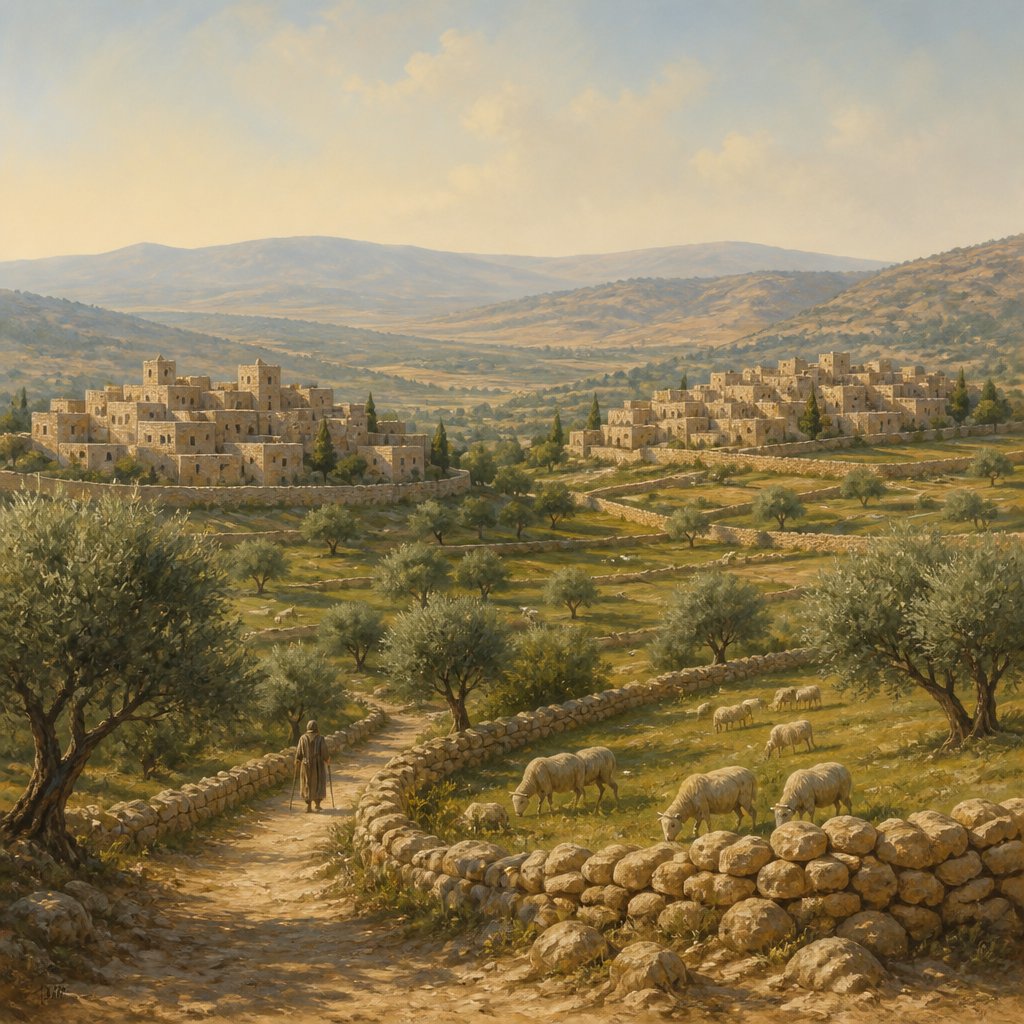
The verse 1 Chronicles 6:72 from the King James Version of the Bible reads, "And out of the tribe of Issachar; Kedesh with her suburbs, Daberath with her suburbs,"
In order to truly understand the meaning and significance of this verse, it is important to provide some context about the book of 1 Chronicles. This book is a part of the Old Testament and is often referred to as the "chronicles of the sons of Israel" as it traces the genealogy of the Israelites from Adam to the time of the Babylonian exile. The purpose of the book is to recount the history of God's people and to emphasize their connection to the promised land. It also serves as a record of the genealogy of David, the king of Israel, as well as the lineage of the Levites who were responsible for performing religious duties in the temple.
In this particular verse, the focus is on the genealogy of the tribe of Issachar, one of the twelve tribes of Israel. The verse mentions two specific cities – Kedesh and Daberath – along with their suburbs. It is important to note that the mention of these cities is not incidental; rather, it holds significant symbolic and historical meaning.
The tribe of Issachar was known for their wisdom and understanding of the times, as well as their ability to discern what Israel should do (1 Chronicles 12:32). This tribe played an important role in the leadership and governance of Israel, and it is likely that the mention of these cities is a reflection of their influence and significance in the history of the Israelites.
Additionally, the mention of these cities and their suburbs also serves as a reminder of God's faithfulness in fulfilling His promises to the Israelites. In the book of Joshua, the cities of Kedesh and Daberath are mentioned as part of the inheritance of the tribe of Issachar (Joshua 19:20-21). This reinforces the biblical theme of the fulfillment of God's covenant with His people and the importance of remaining faithful to Him.
Symbolically, the mention of cities and their suburbs in the genealogy of Issachar serves as a representation of the inheritance and blessings that God has bestowed upon His people. It also serves as a reminder of the historical and spiritual significance of these cities in the history of Israel.
Furthermore, this verse underscores the theme of unity and community within the tribe of Issachar. Each city and its suburbs were connected to one another, representing a sense of shared identity and common purpose among the people of Issachar. This theme of unity and communal living is a recurring motif throughout the Bible, emphasizing the importance of coming together as a community to serve and worship God.
In conclusion, the verse 1 Chronicles 6:72 may appear to be a simple listing of cities and their suburbs, but upon closer examination, it is evident that it holds deep symbolic and historical significance. It serves as a reminder of God's faithfulness in fulfilling His promises, the importance of unity and community, and the enduring legacy of the tribe of Issachar. As with all verses in the Bible, it is important to approach them with a spirit of reverence and humility, seeking to understand the deeper meaning and significance that they hold for our faith and spiritual journey.
Have questions about 1 Chronicles 6:72?
Dive deeper into this scripture with Bible Chat — an AI-powered tool for exploring God's Word through conversation. Ask questions, get context, and grow in your understanding of the Bible.
Get Our Apps


1 Chronicles 6:72 Artwork

1 Chronicles 6:72 - "And out of the tribe of Issachar; Kedesh with her suburbs, Daberath with her suburbs,"
"And out of the tribe of Issachar; Kedesh with her suburbs, Daberath with her suburbs," - 1 Chronicles 6:72

Psalms 72:6 - "He shall come down like rain upon the mown grass: as showers that water the earth."

Psa 72:6 (KJVA) 6 He shall come down like rain upon the mown grass: as showers that water the earth.

Luke 1:72 - "To perform the mercy promised to our fathers, and to remember his holy covenant;"

Psalms 72:1 - "Give the king thy judgments, O God, and thy righteousness unto the king's son."

1 Chronicles 6:6 - "And Uzzi begat Zerahiah, and Zerahiah begat Meraioth,"

1 Chronicles 1:6 - "And the sons of Gomer; Ashchenaz, and Riphath, and Togarmah."

1 Chronicles 6:1 - "The sons of Levi; Gershon, Kohath, and Merari."

1 Chronicles 14:6 - "And Nogah, and Nepheg, and Japhia,"

Luke 1:72-73 - "to show mercy to our ancestors and to remember his holy covenant, the oath he swore to our father Abraham."

1 Chronicles 3:6 - "Ibhar also, and Elishama, and Eliphelet,"

1 Chronicles 6:25 - "And the sons of Elkanah; Amasai, and Ahimoth."

1 Chronicles 6:16 - "¶ The sons of Levi; Gershom, Kohath, and Merari."

1 Chronicles 6:17 - "And these be the names of the sons of Gershom; Libni, and Shimei."

"He shall come down like rain upon the mown grass: as showers that water the earth." - Psalms 72:6

"He shall come down like rain upon the mown grass: as showers that water the earth." - Psalm 72:6

1 Chronicles 6:28 - "And the sons of Samuel; the firstborn Vashni, and Abiah."

1 Chronicles 6:58 - "And Hilen with her suburbs, Debir with her suburbs,"

1 Chronicles 6:12 - "And Ahitub begat Zadok, and Zadok begat Shallum,"

1 Chronicles 6:45 - "The son of Hashabiah, the son of Amaziah, the son of Hilkiah,"

1 Chronicles 6:11 - "And Azariah begat Amariah, and Amariah begat Ahitub,"

1 Chronicles 6:14 - "And Azariah begat Seraiah, and Seraiah begat Jehozadak,"

1 Chronicles 7:6 - "¶ The sons of Benjamin; Bela, and Becher, and Jediael, three."

1 Chronicles 6:53 - "Zadok his son, Ahimaaz his son."

1 Chronicles 6:5 - "And Abishua begat Bukki, and Bukki begat Uzzi,"

1 Chronicles 6:9 - "And Ahimaaz begat Azariah, and Azariah begat Johanan,"

1 Chronicles 6:41 - "The son of Ethni, the son of Zerah, the son of Adaiah,"

1 Chronicles 6:40 - "The son of Michael, the son of Baaseiah, the son of Malchiah,"

1 Chronicles 12:6 - "Elkanah, and Jesiah, and Azareel, and Joezer, and Jashobeam, the Korhites,"