What does 1 Chronicles 6:49 mean?
"¶ But Aaron and his sons offered upon the altar of the burnt offering, and on the altar of incense, and were appointed for all the work of the place most holy, and to make an atonement for Israel, according to all that Moses the servant of God had commanded." - 1 Chronicles 6:49
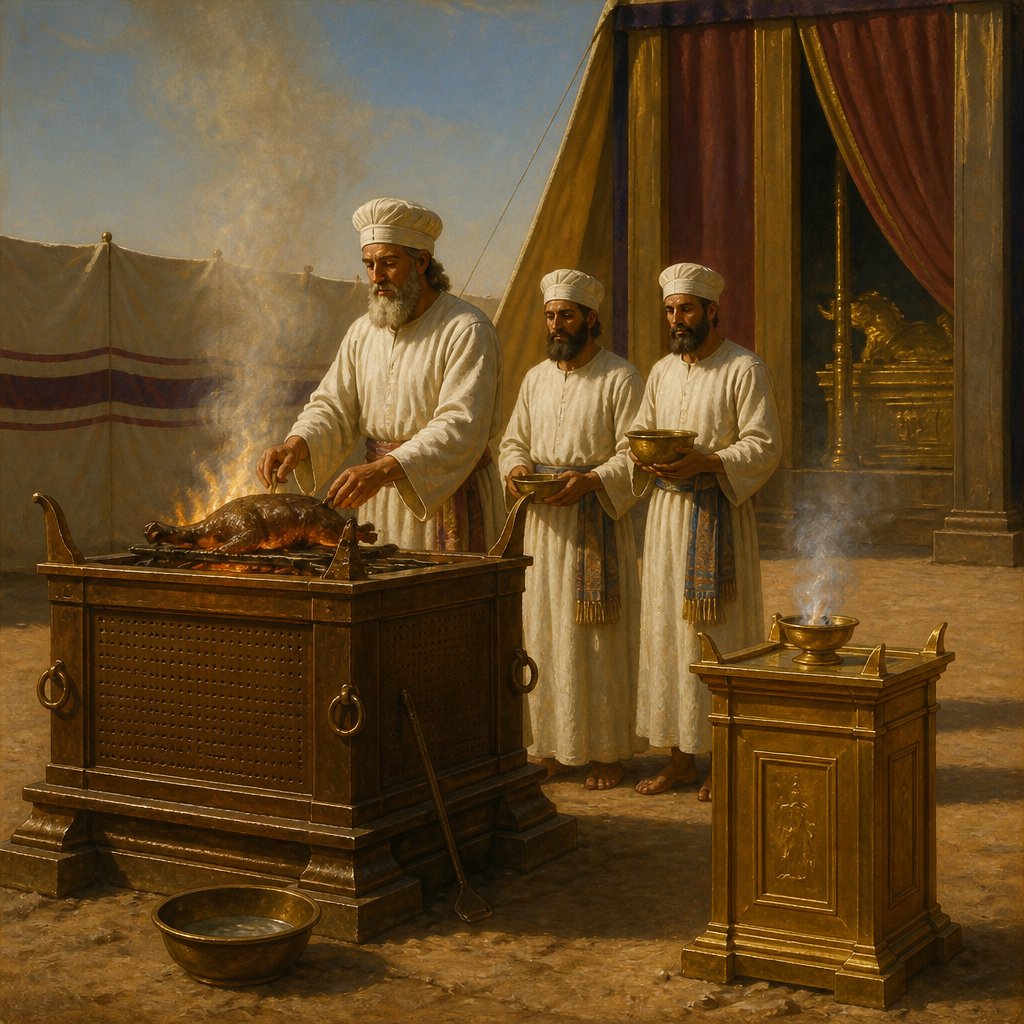
The Bible verse 1 Chronicles 6:49 from the King James Version (KJV) reads, "But Aaron and his sons offered upon the altar of the burnt offering, and on the altar of incense, and were appointed for all the work of the place most holy, and to make an atonement for Israel, according to all that Moses the servant of God had commanded."
This verse is part of the genealogy of the tribe of Levi and specifically the lineage of the priestly descendants of Aaron. It describes their responsibilities and duties in relation to the tabernacle and the offering of sacrifices. The verse highlights the significance of the work of Aaron and his sons in the religious life of Israel, particularly in the atonement for the sins of the people.
In the broader context of the book of 1 Chronicles, this verse is part of a genealogical record that emphasizes the importance of the priesthood and religious duties within the Israelite community. The Chronicler's purpose in including these genealogies is to establish the continuity of the priesthood and the faithfulness of God in fulfilling his promises to the people of Israel.
The themes present in this verse include the roles and responsibilities of the priesthood, the significance of sacrifices and atonement, and the importance of obedience to God's commands. It emphasizes the continuity of worship practices as established by Moses, demonstrating the faithfulness of the priests in carrying out their duties according to the instructions given to them.
The verse also symbolizes the idea of atonement and reconciliation between God and his people. The offering of sacrifices on the altar of burnt offering and the altar of incense was a central part of Israelite worship, and it served as a means of seeking forgiveness for sins and restoring the relationship between the people and God. The role of Aaron and his sons in making atonement for Israel represents the mediation between God and the people, with the priests acting as intermediaries in the process of reconciliation.
Furthermore, the verse underscores the importance of the place most holy, referring to the inner sanctuary of the tabernacle or temple where the presence of God dwelled. This emphasizes the sacredness of the priestly duties and the need for reverence and purity in approaching the presence of God.
In a broader theological context, this verse points to the ultimate atonement and reconciliation that would be fulfilled in the person of Jesus Christ. The role of the priests in making atonement for Israel foreshadows the work of Christ as the ultimate high priest who offered himself as a perfect sacrifice for the sins of the world. The atonement made by the priests in the Old Testament was a shadow of the atonement accomplished by Christ on the cross, providing a way for humanity to be reconciled to God.
In conclusion, 1 Chronicles 6:49 from the King James Version conveys the importance of the priesthood and the offering of sacrifices in the religious life of Israel. It emphasizes the roles and responsibilities of the priests, the significance of atonement, and the obedience to God's commands. The verse symbolizes the mediation between God and his people, the sacredness of worship, and the ultimate fulfillment of atonement in the work of Jesus Christ. It serves as a reminder of the faithfulness of God in fulfilling his promises and providing a way for reconciliation and forgiveness.
Have questions about 1 Chronicles 6:49?
Dive deeper into this scripture with Bible Chat — an AI-powered tool for exploring God's Word through conversation. Ask questions, get context, and grow in your understanding of the Bible.
Get Our Apps


1 Chronicles 6:49 Artwork
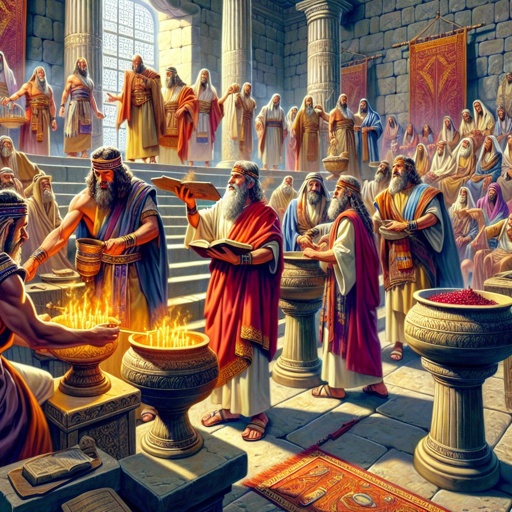
1 Chronicles 6:49 - "¶ But Aaron and his sons offered upon the altar of the burnt offering, and on the altar of incense, and were appointed for all the work of the place most holy, and to make an atonement for Israel, according to all that Moses the servant of God had commanded."
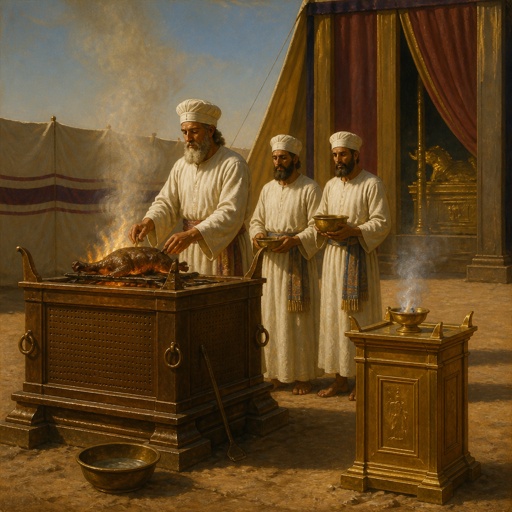
"¶ But Aaron and his sons offered upon the altar of the burnt offering, and on the altar of incense, and were appointed for all the work of the place most holy, and to make an atonement for Israel, according to all that Moses the servant of God had commanded." - 1 Chronicles 6:49
1 Chronicles 1:49 - "And when Shaul was dead, Baal-hanan the son of Achbor reigned in his stead."
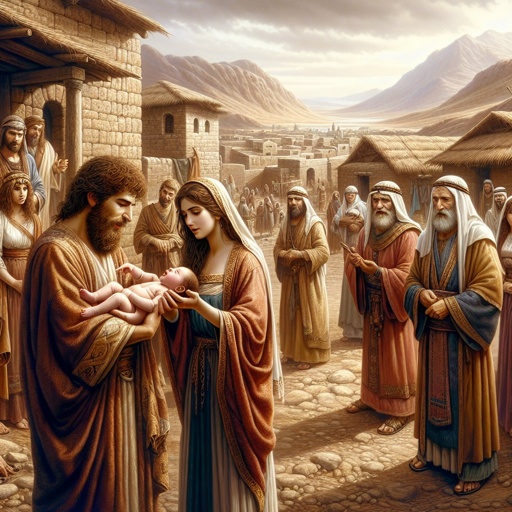
1 Chronicles 2:49 - "She bare also Shaaph the father of Madmannah, Sheva the father of Machbenah, and the father of Gibea: and the daughter of Caleb was Achsa."
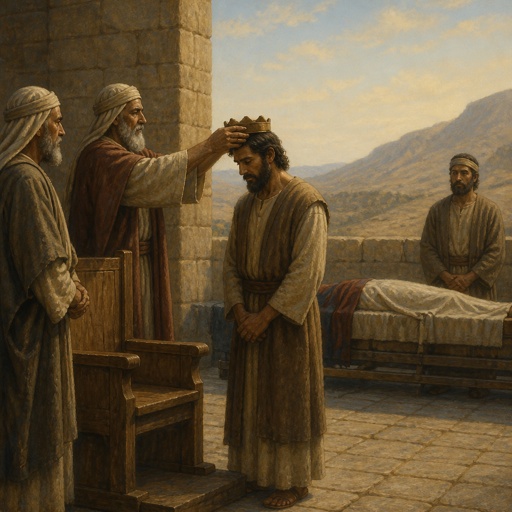
"And when Shaul was dead, Baal-hanan the son of Achbor reigned in his stead." - 1 Chronicles 1:49

1 Chronicles 6:6 - "And Uzzi begat Zerahiah, and Zerahiah begat Meraioth,"

1 Chronicles 1:6 - "And the sons of Gomer; Ashchenaz, and Riphath, and Togarmah."

1 Chronicles 6:1 - "The sons of Levi; Gershon, Kohath, and Merari."

Psalms 49:6 - "They that trust in their wealth, and boast themselves in the multitude of their riches;"

1 Chronicles 14:6 - "And Nogah, and Nepheg, and Japhia,"

John 6:49 - "Your fathers did eat manna in the wilderness, and are dead."

1 Chronicles 3:6 - "Ibhar also, and Elishama, and Eliphelet,"

1 Chronicles 6:25 - "And the sons of Elkanah; Amasai, and Ahimoth."

1 Chronicles 6:16 - "¶ The sons of Levi; Gershom, Kohath, and Merari."

1 Chronicles 6:17 - "And these be the names of the sons of Gershom; Libni, and Shimei."

1 Chronicles 6:28 - "And the sons of Samuel; the firstborn Vashni, and Abiah."

Jeremiah 49:6 - "And afterward I will bring again the captivity of the children of Ammon, saith the LORD."
Psalm 49

1 Chronicles 6:58 - "And Hilen with her suburbs, Debir with her suburbs,"

1 Chronicles 6:12 - "And Ahitub begat Zadok, and Zadok begat Shallum,"

1 Chronicles 6:45 - "The son of Hashabiah, the son of Amaziah, the son of Hilkiah,"

1 Chronicles 6:11 - "And Azariah begat Amariah, and Amariah begat Ahitub,"

1 Chronicles 6:14 - "And Azariah begat Seraiah, and Seraiah begat Jehozadak,"

1 Chronicles 7:6 - "¶ The sons of Benjamin; Bela, and Becher, and Jediael, three."

1 Chronicles 6:53 - "Zadok his son, Ahimaaz his son."

1 Chronicles 6:5 - "And Abishua begat Bukki, and Bukki begat Uzzi,"

1 Chronicles 6:9 - "And Ahimaaz begat Azariah, and Azariah begat Johanan,"

1 Chronicles 6:41 - "The son of Ethni, the son of Zerah, the son of Adaiah,"

1 Chronicles 6:40 - "The son of Michael, the son of Baaseiah, the son of Malchiah,"

1 Chronicles 12:6 - "Elkanah, and Jesiah, and Azareel, and Joezer, and Jashobeam, the Korhites,"