What does 1 Chronicles 6:46 mean?
"The son of Amzi, the son of Bani, the son of Shamer," - 1 Chronicles 6:46
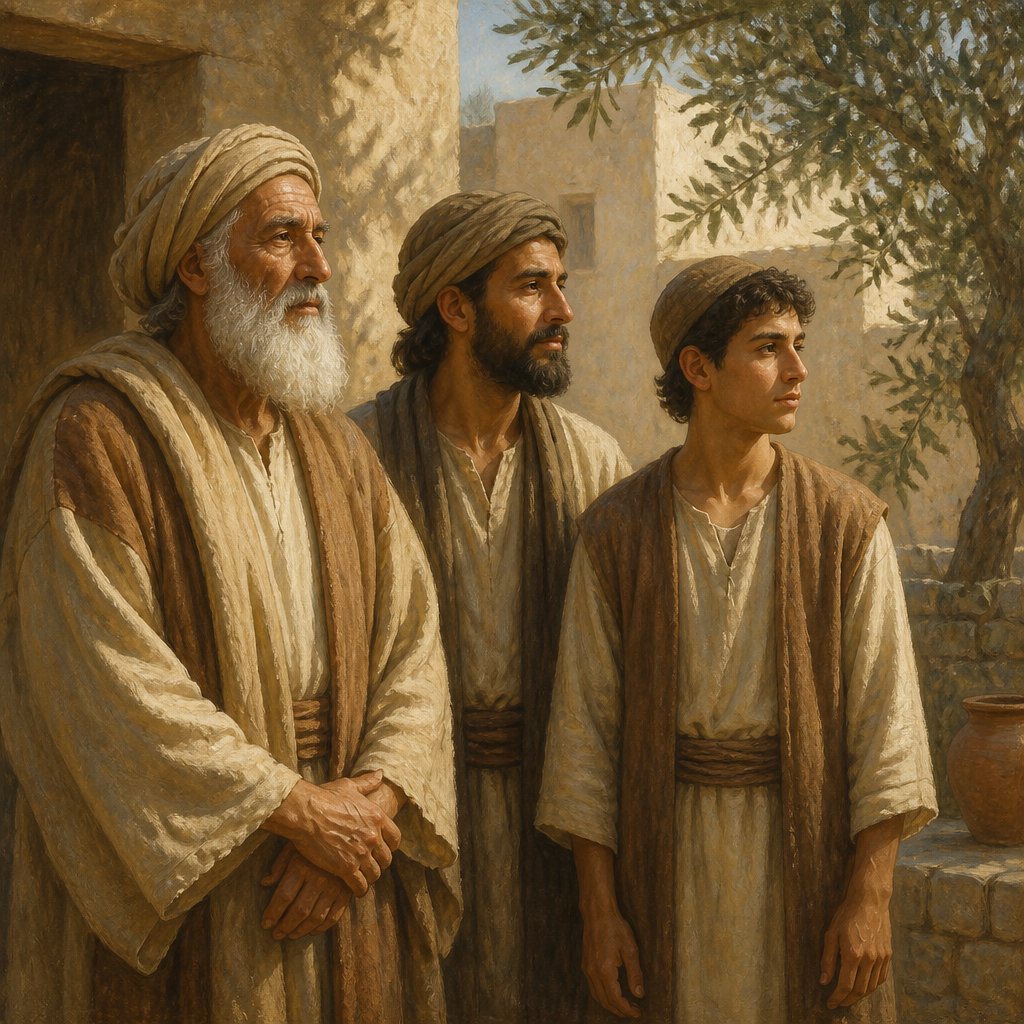
1 Chronicles 6:46 (KJV): "The son of Amzi, the son of Bani, the son of Shamer."
The book of 1 Chronicles is a historical record of the genealogy of the Israelites, focusing particularly on the lineage of the Levites and their roles in the worship and service of God. The verse 1 Chronicles 6:46 is a part of a long list of names and generations, detailing the descendants of Levi, the son of Jacob. Each name carries significance to the lineage and holds historical and cultural importance.
In this verse, the focus is on the lineage of Shamer, the son of Amzi and the grandson of Bani. The significance of these names goes beyond mere ancestry; it serves to establish the historical and cultural context of the Levitical priesthood and the responsibilities associated with it. Each individual mentioned in this genealogy had a role to play in the worship and service of God, and their lineage was an essential aspect of their identity and calling.
The mention of these specific names also serves to emphasize the continuity and faithfulness of God's covenant with the descendants of Levi. Despite the changing times and the challenges faced by the Israelites, the priesthood and its duties were passed down from generation to generation, preserving the traditions and values of their faith. This verse, along with the rest of the genealogy in 1 Chronicles, highlights the importance of preserving and honoring the heritage and traditions of the Israelites.
Furthermore, the genealogy in 1 Chronicles 6 serves as a reminder of the importance of lineage and heritage in the Old Testament. The Israelites placed great value on their ancestry, and it played a significant role in their identity and purpose. By tracing the lineage of the Levites, the biblical author reinforces the idea that each individual has a unique role to play in the larger narrative of God's plan for His people. The genealogy also underscores the interconnectedness of the Old Testament narrative, linking the past to the present and foreshadowing future events.
Symbolically, the names mentioned in this verse represent the continuity and faithfulness of God's covenant with His people. The preservation of the Levitical priesthood and its responsibilities throughout generations symbolizes God's enduring presence and commitment to His chosen people. Additionally, the genealogy serves as a testament to the faithfulness of the Israelites in preserving their cultural and religious heritage despite the challenges they faced.
In conclusion, 1 Chronicles 6:46, along with the rest of the genealogy in 1 Chronicles, holds great significance in the context of the Old Testament. It serves as a reminder of the importance of lineage, heritage, and faithfulness in the history of the Israelites. The verse symbolizes the continuity of God's covenant and the value of preserving traditions and values that have been passed down through generations. Ultimately, this genealogy reinforces the interconnectedness of the Old Testament narrative and the role of each individual in God's larger plan for His people.
Have questions about 1 Chronicles 6:46?
Dive deeper into this scripture with Bible Chat — an AI-powered tool for exploring God's Word through conversation. Ask questions, get context, and grow in your understanding of the Bible.
Get Our Apps


1 Chronicles 6:46 Artwork

1 Chronicles 6:46 - "The son of Amzi, the son of Bani, the son of Shamer,"
"The son of Amzi, the son of Bani, the son of Shamer," - 1 Chronicles 6:46

1 Chronicles 11:46 - "Eliel the Mahavite, and Jeribai, and Joshaviah, the sons of Elnaam, and Ithmah the Moabite,"

1 Chronicles 2:46 - "And Ephah, Caleb's concubine, bare Haran, and Moza, and Gazez: and Haran begat Gazez."

1 Chronicles 1:46 - "And when Husham was dead, Hadad the son of Bedad, which smote Midian in the field of Moab, reigned in his stead: and the name of his city was Avith."
"Eliel the Mahavite, and Jeribai, and Joshaviah, the sons of Elnaam, and Ithmah the Moabite," - 1 Chronicles 11:46

1 Chronicles 6:6 - "And Uzzi begat Zerahiah, and Zerahiah begat Meraioth,"
"And Ephah, Caleb's concubine, bare Haran, and Moza, and Gazez: and Haran begat Gazez." - 1 Chronicles 2:46

1 Chronicles 1:6 - "And the sons of Gomer; Ashchenaz, and Riphath, and Togarmah."

1 Chronicles 6:1 - "The sons of Levi; Gershon, Kohath, and Merari."

1 Chronicles 14:6 - "And Nogah, and Nepheg, and Japhia,"

1 Chronicles 3:6 - "Ibhar also, and Elishama, and Eliphelet,"

1 Chronicles 6:25 - "And the sons of Elkanah; Amasai, and Ahimoth."

1 Chronicles 6:16 - "¶ The sons of Levi; Gershom, Kohath, and Merari."

1 Chronicles 6:17 - "And these be the names of the sons of Gershom; Libni, and Shimei."

1 Chronicles 6:28 - "And the sons of Samuel; the firstborn Vashni, and Abiah."

Mark 6:46 - "And when he had sent them away, he departed into a mountain to pray."

1 Chronicles 6:14 - "And Azariah begat Seraiah, and Seraiah begat Jehozadak,"

1 Chronicles 6:58 - "And Hilen with her suburbs, Debir with her suburbs,"

1 Chronicles 6:12 - "And Ahitub begat Zadok, and Zadok begat Shallum,"

1 Chronicles 7:6 - "¶ The sons of Benjamin; Bela, and Becher, and Jediael, three."

1 Chronicles 6:53 - "Zadok his son, Ahimaaz his son."

1 Chronicles 6:11 - "And Azariah begat Amariah, and Amariah begat Ahitub,"

1 Chronicles 6:5 - "And Abishua begat Bukki, and Bukki begat Uzzi,"

1 Chronicles 6:45 - "The son of Hashabiah, the son of Amaziah, the son of Hilkiah,"

1 Chronicles 6:9 - "And Ahimaaz begat Azariah, and Azariah begat Johanan,"

1 Chronicles 6:41 - "The son of Ethni, the son of Zerah, the son of Adaiah,"

1 Chronicles 6:40 - "The son of Michael, the son of Baaseiah, the son of Malchiah,"

1 Chronicles 12:6 - "Elkanah, and Jesiah, and Azareel, and Joezer, and Jashobeam, the Korhites,"

1 Chronicles 6:8 - "And Ahitub begat Zadok, and Zadok begat Ahimaaz,"