What does 1 Chronicles 6:19 mean?
"The sons of Merari; Mahli, and Mushi. And these are the families of the Levites according to their fathers." - 1 Chronicles 6:19
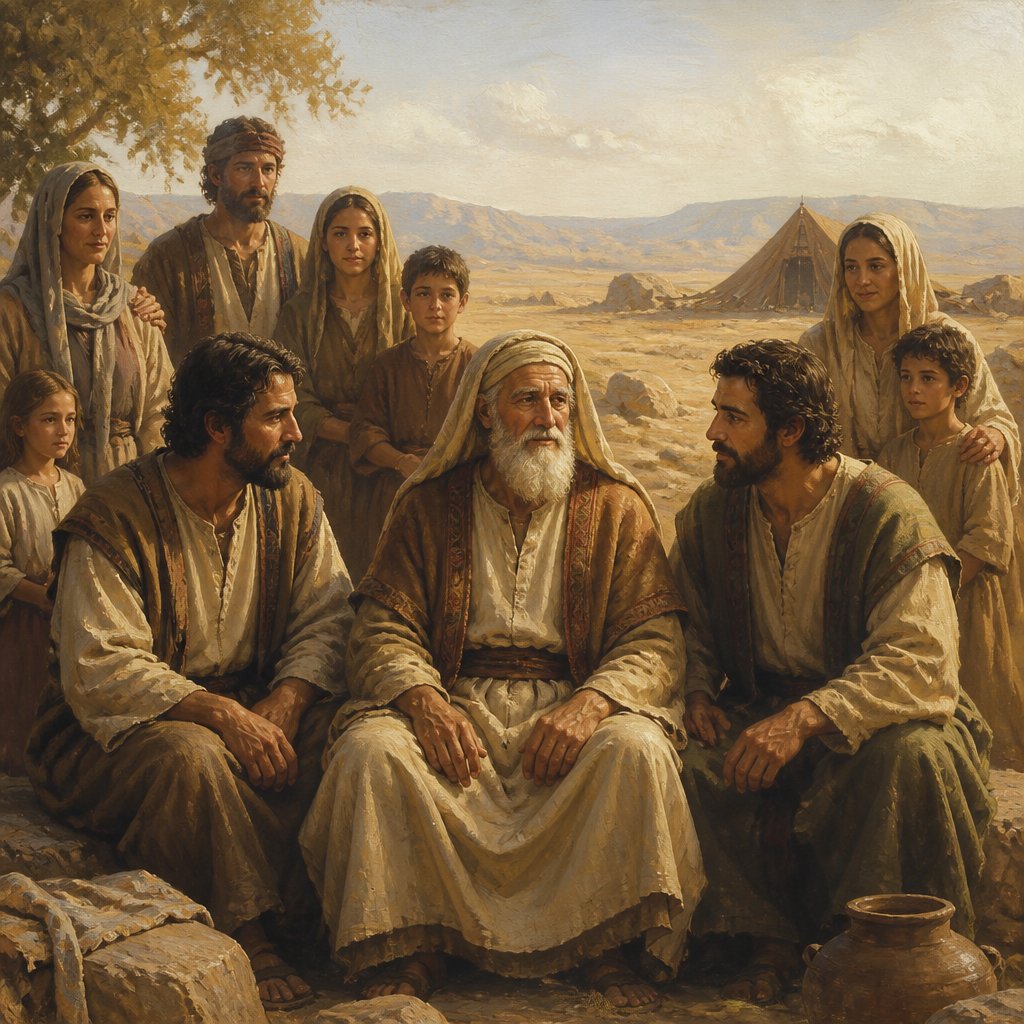
1 Chronicles 6:19 (KJV) says, "The sons of Merari; Mahli, and Mushi. And these are the families of the Levites according to their fathers."
In order to understand the depth and meaning of this verse, it is important to provide some context surrounding the book of 1 Chronicles. The book is a historical account that is part of the Hebrew Bible and also the Old Testament of the Christian Bible. It was written by the prophet Ezra and provides a detailed genealogy of the Israelites, particularly focusing on the lineage of King David, and the lineage of the Levites. The verse comes from a section that details the lineage of the Levites and serves as a record of their ancestry and the order of their families and worship duties.
The verse specifically mentions the sons of Merari, who was one of the three sons of Levi. The Levites were a tribe within the Israelite people who were given the responsibility of serving in the Tabernacle and later the Temple. The verse mentions Mahli and Mushi, who were the sons of Merari and the heads of Levite families. The mention of these names is significant because it establishes their place within the Levitical order and emphasizes their importance in the worship and service of God.
The theme of lineage and inheritance is prominent throughout the Old Testament, particularly in the book of 1 Chronicles. The recording of genealogies served as a way to establish and preserve the identity and heritage of the Israelite people. It also played a crucial role in determining one's status and inheritance within the community. In the case of the Levites, their lineage was crucial in determining their roles and responsibilities in the worship and service of God.
Furthermore, the mention of the families of the Levites according to their fathers highlights the patriarchal nature of ancient Israelite society. In this context, lineage was traced through the male line and families were organized and identified based on their paternal descent. This verse serves as a reminder of the importance of family and lineage in shaping one's identity and place within the community.
Symbolically, the verse can be seen as a reminder of the importance of honoring one's heritage and the legacy of those who came before. It emphasizes the lineage and ancestral ties that connect individuals to their past and shape their present identity. It also serves as a reminder of the responsibility and duty that comes with being part of a particular lineage or family. The mention of the Levites and their familial structure also highlights the importance of community and communal worship in the practice of faith.
In conclusion, 1 Chronicles 6:19 provides a glimpse into the historical and genealogical record of the Levites and their families. It serves as a reminder of the significance of lineage and inheritance within the Israelite community and highlights the importance of honoring one's heritage. The verse also symbolically emphasizes the ties that bind individuals to their past and the responsibility that comes with being part of a particular lineage. It ultimately serves as a testament to the enduring importance of familial ties and community in the practice of faith.
Have questions about 1 Chronicles 6:19?
Dive deeper into this scripture with Bible Chat — an AI-powered tool for exploring God's Word through conversation. Ask questions, get context, and grow in your understanding of the Bible.
Get Our Apps


1 Chronicles 6:19 Artwork

1 Chronicles 6:19 - "The sons of Merari; Mahli, and Mushi. And these are the families of the Levites according to their fathers."
"The sons of Merari; Mahli, and Mushi. And these are the families of the Levites according to their fathers." - 1 Chronicles 6:19

1 Chronicles 8:19 - "And Jakim, and Zichri, and Zabdi,"
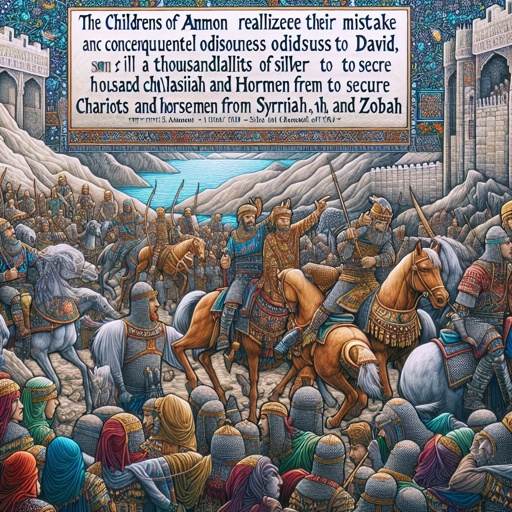
1 Chronicles 19:6 - "¶ And when the children of Ammon saw that they had made themselves odious to David, Hanun and the children of Ammon sent a thousand talents of silver to hire them chariots and horsemen out of Mesopotamia, and out of Syria-maachah, and out of Zobah."

1 Chronicles 6:6 - "And Uzzi begat Zerahiah, and Zerahiah begat Meraioth,"

2 Chronicles 19:6 - "And said to the judges, Take heed what ye do: for ye judge not for man, but for the LORD, who is with you in the judgment."

1 Chronicles 1:6 - "And the sons of Gomer; Ashchenaz, and Riphath, and Togarmah."

1 Chronicles 6:1 - "The sons of Levi; Gershon, Kohath, and Merari."

1 Chronicles 5:19 - "And they made war with the Hagarites, with Jetur, and Nephish, and Nodab."

1 Corinthians 6:19

1 Corinthians 6:19

1 Corinthians 6:19

1 Chronicles 16:19 - "When ye were but few, even a few, and strangers in it."

1 Chronicles 7:19 - "And the sons of Shemidah were, Ahian, and Shechem, and Likhi, and Aniam."

1 Chronicles 14:6 - "And Nogah, and Nepheg, and Japhia,"

1 Corinthians 6:19

1 Corinthians 6:19

1 Corinthians 6:19

1 Chronicles 26:19 - "These are the divisions of the porters among the sons of Kore, and among the sons of Merari."

1 Chronicles 27:19 - "Of Zebulun, Ishmaiah the son of Obadiah: of Naphtali, Jerimoth the son of Azriel:"

2 Chronicles 19:1 - "And Jehoshaphat the king of Judah returned to his house in peace to Jerusalem."

1 Chronicles 3:6 - "Ibhar also, and Elishama, and Eliphelet,"

1 Chronicles 6:25 - "And the sons of Elkanah; Amasai, and Ahimoth."

1 Corinthians 6:19-20

1 Chronicles 25:19 - "The twelfth to Hashabiah, he, his sons, and his brethren, were twelve:"

1 Chronicles 6:16 - "¶ The sons of Levi; Gershom, Kohath, and Merari."

1 Chronicles 6:17 - "And these be the names of the sons of Gershom; Libni, and Shimei."

2 Chronicles 6:19 - "Have respect therefore to the prayer of thy servant, and to his supplication, O LORD my God, to hearken unto the cry and the prayer which thy servant prayeth before thee:"

1 Chronicles 6:28 - "And the sons of Samuel; the firstborn Vashni, and Abiah."

1 Chronicles 19:1 - "Now it came to pass after this, that Nahash the king of the children of Ammon died, and his son reigned in his stead."