What does 1 Chronicles 5:12 mean?
"Joel the chief, and Shapham the next, and Jaanai, and Shaphat in Bashan." - 1 Chronicles 5:12
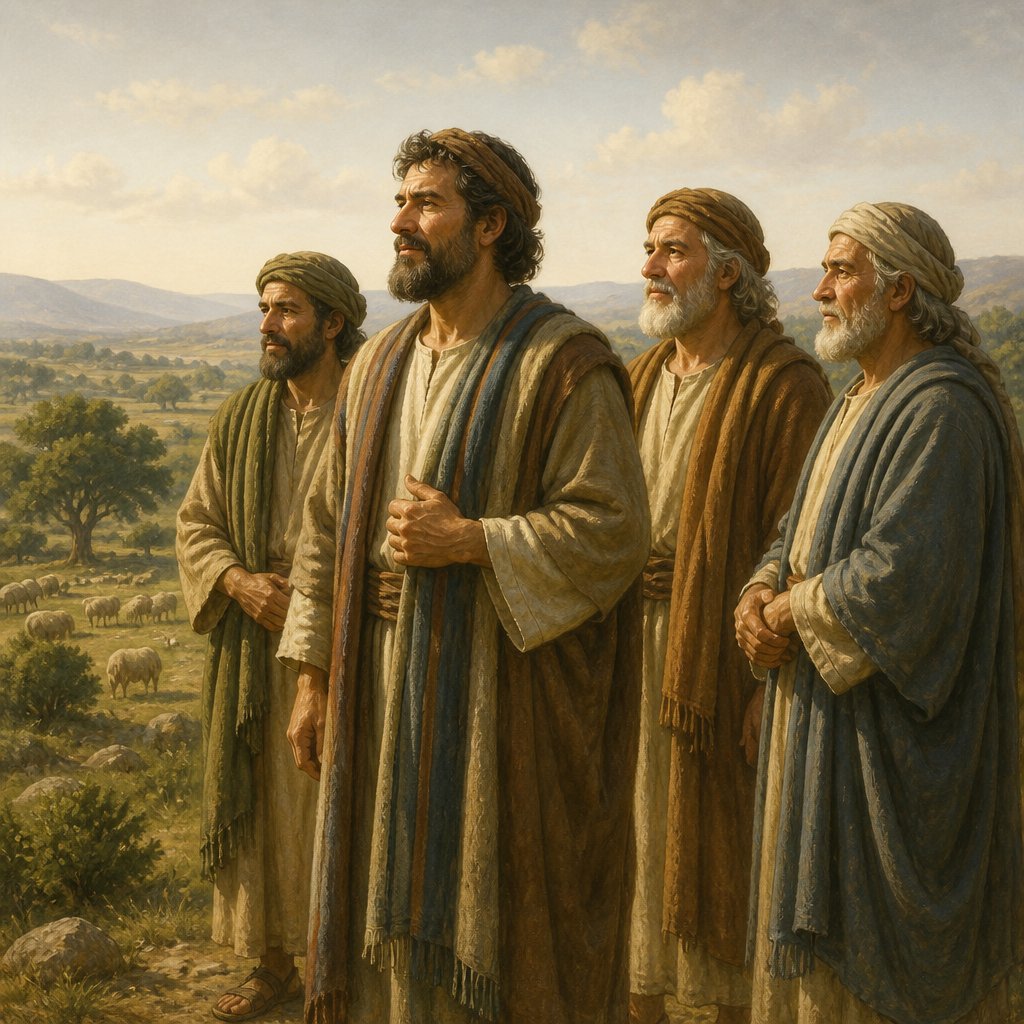
1 Chronicles 5:12 (KJV): "Joel the chief, and Shapham the next, and Jaanai, and Shaphat in Bashan."
The book of 1 Chronicles is a part of the historical books in the Old Testament. It mainly focuses on the genealogy of the Israelites, particularly the lineage of King David and the tribes of Israel. This verse is a part of a list of the descendants of Reuben, the firstborn son of Jacob, who had settled in the land of Bashan.
The verse presents the names of Joel, Shapham, Jaanai, and Shaphat, who were prominent leaders and chief figures in the tribe of Reuben. It is important to note that the mention of these individuals signifies their significance and leadership roles within their community. The repetition of the names Joel and Shaphat might indicate their influential status or their primary leadership roles.
The context of this verse is found within the larger narrative of the settlement of the tribes of Israel in the promised land. The land of Bashan, mentioned in this verse, was known for its fertile soil and was ideal for raising livestock. It was located to the east of the Jordan River and had been conquered by the Israelites under the leadership of Moses and Joshua. The tribe of Reuben, being one of the twelve tribes of Israel, was allotted this land as their inheritance.
From a thematic perspective, this verse emphasizes the importance of leadership and organization within the community. The mention of these leaders' names highlights their roles in governing and maintaining order within the tribe of Reuben. It also underscores the significance of the tribal structure and the importance of each member's contribution to the overall functioning of the community.
Symbolically, the names of these leaders represent the continuity and preservation of the tribal heritage. Their names, passed down through generations, carry the legacy of their ancestors and contribute to the identity of the tribe of Reuben. Furthermore, the mention of their names in the biblical text signifies their enduring influence and the perpetuation of their memory.
Additionally, this verse serves as a reminder of the faithfulness of God in fulfilling His promises to the descendants of Israel. The inheritance of the land of Bashan by the tribe of Reuben reflects God's covenant with the Israelites and His provision for their needs.
In conclusion, 1 Chronicles 5:12 is a verse that may appear to be a simple listing of names, but it carries a deeper significance within the broader context of the biblical narrative. It emphasizes the importance of leadership, organization, and community within the tribe of Reuben, while also symbolizing the preservation of tribal heritage and the faithfulness of God. This verse serves as a testament to the enduring legacy of the Israelite tribes and the fulfillment of God's promises to His people.
Have questions about 1 Chronicles 5:12?
Dive deeper into this scripture with Bible Chat — an AI-powered tool for exploring God's Word through conversation. Ask questions, get context, and grow in your understanding of the Bible.
Get Our Apps


1 Chronicles 5:12 Artwork

1 Chronicles 5:12 - "Joel the chief, and Shapham the next, and Jaanai, and Shaphat in Bashan."
"Joel the chief, and Shapham the next, and Jaanai, and Shaphat in Bashan." - 1 Chronicles 5:12

1 Chronicles 12:5 - "Eluzai, and Jerimoth, and Bealiah, and Shemariah, and Shephatiah the Haruphite,"
"Eluzai, and Jerimoth, and Bealiah, and Shemariah, and Shephatiah the Haruphite," - 1 Chronicles 12:5

1 Chronicles 12:12 - "Johanan the eighth, Elzabad the ninth,"

1 Chronicles 1:12 - "And Pathrusim, and Casluhim, (of whom came the Philistines,) and Caphthorim."

1 Chronicles 5:5 - "Micah his son, Reaia his son, Baal his son,"

1 chronicles 12:8

1 Chronicles 12:11 - "Attai the sixth, Eliel the seventh,"

1 Chronicles 8:5 - "And Gera, and Shephuphan, and Huram."

1 Chronicles 14:5 - "And Ibhar, and Elishua, and Elpalet,"

1 Chronicles 12:10 - "Mishmannah the fourth, Jeremiah the fifth,"

1 Chronicles 12:13 - "Jeremiah the tenth, Machbanai the eleventh."

1 Chronicles 24:12 - "The eleventh to Eliashib, the twelfth to Jakim,"

"Johanan the eighth, Elzabad the ninth," - 1 Chronicles 12:12

1 Chronicles 12:7 - "And Joelah, and Zebadiah, the sons of Jeroham of Gedor."

1 Chronicles 2:5 - "The sons of Pharez; Hezron, and Hamul."

1 Chronicles 5:19 - "And they made war with the Hagarites, with Jetur, and Nephish, and Nodab."

1 Chronicles 5:4 - "The sons of Joel; Shemaiah his son, Gog his son, Shimei his son,"

1 Chronicles 6:12 - "And Ahitub begat Zadok, and Zadok begat Shallum,"

1 Chronicles 12:26 - "Of the children of Levi four thousand and six hundred."

1 Chronicles 12:9 - "Ezer the first, Obadiah the second, Eliab the third,"

1 Chronicles 12:6 - "Elkanah, and Jesiah, and Azareel, and Joezer, and Jashobeam, the Korhites,"

1 Chronicles 1:5 - "¶ The sons of Japheth; Gomer, and Magog, and Madai, and Javan, and Tubal, and Meshech, and Tiras."

1 Chronicles 2:12 - "And Boaz begat Obed, and Obed begat Jesse,"

1 Chronicles 9:5 - "And of the Shilonites; Asaiah the firstborn, and his sons."

Matthew 5:1 a 12

1 Chronicles 12:16 - "And there came of the children of Benjamin and Judah to the hold unto David."

1 Chronicles 23:12 - "¶ The sons of Kohath; Amram, Izhar, Hebron, and Uzziel, four."

Matthew 5:1 a 12