What does 1 Chronicles 4:5 mean?
"¶ And Ashur the father of Tekoa had two wives, Helah and Naarah." - 1 Chronicles 4:5
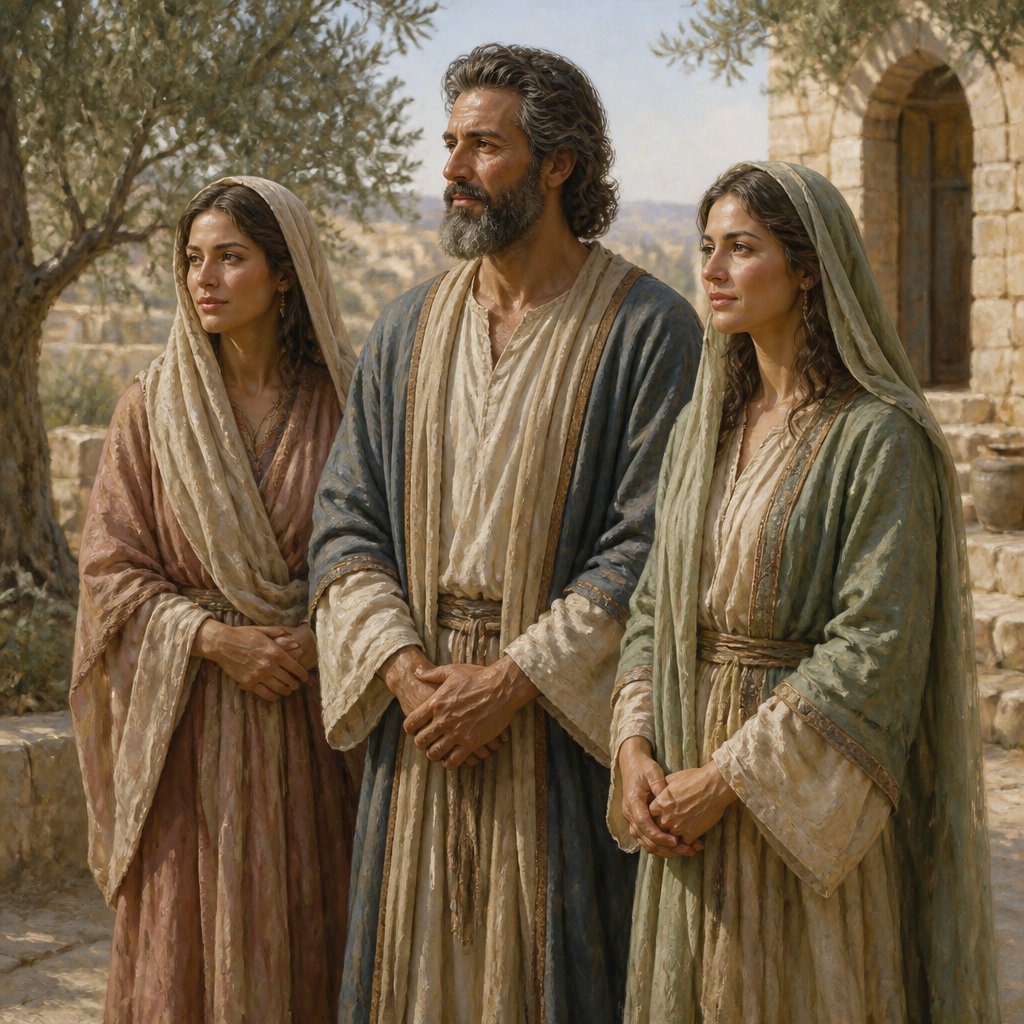
The King James Version of 1 Chronicles 4:5 reads, "And Ashur the father of Tekoa had two wives, Helah and Naarah." This verse is part of a genealogy of Judah, which is found in the beginning of the book of Chronicles. In this genealogy, the descendants of Judah are listed, including the offspring of different individuals within the tribe.
The context of this verse is important for understanding its meaning. The book of 1 Chronicles is a historical record that traces the lineage of the Israelites, particularly the tribe of Judah, from Adam to the time of King David. It is a genealogical record that seeks to establish the historical and spiritual legitimacy of the Davidic dynasty and the temple worship in Jerusalem. The genealogy in this verse is significant because it traces the lineage of Judah and highlights the familial relationships within the tribe.
In this specific verse, Ashur, who is a descendant of Judah, is mentioned as having two wives, Helah and Naarah. This detail may seem insignificant, but it reflects the cultural and social norms of the time. Polygamy was a common practice in ancient Israel, and it was not uncommon for men to have multiple wives. The mention of Ashur's two wives serves as a reminder of the historical context in which these events took place and the cultural practices of the ancient Israelites.
The mention of Ashur's wives also has symbolic significance. In the Bible, the relationship between a man and his wife often symbolizes the relationship between God and his people. Throughout the Old Testament, the imagery of marriage is used to depict the covenantal relationship between God and the nation of Israel. The mention of Ashur's two wives may symbolize the complexity and diversity of God's relationship with his people. It also serves as a reminder that God works through imperfect and flawed individuals to accomplish his purposes.
Furthermore, the inclusion of Ashur's two wives in the genealogy serves to highlight the importance of familial relationships in the biblical narrative. The Bible places a strong emphasis on family, and the genealogies found throughout the Old Testament serve to establish the continuity of God's work within the context of human families. The mention of Ashur's wives is a reminder of the integral role that women play in the unfolding of God's plan and the importance of familial bonds in the biblical narrative.
Overall, 1 Chronicles 4:5 may seem like a simple verse in a genealogical record, but it carries important thematic and symbolic significance. It serves as a reflection of the cultural practices of ancient Israel, a symbolic representation of God's relationship with his people, and a reminder of the importance of familial relationships in the biblical narrative. While it may be easy to overlook verses like this in the Bible, they offer valuable insights into the historical, cultural, and spiritual context of the scriptures.
Have questions about 1 Chronicles 4:5?
Dive deeper into this scripture with Bible Chat — an AI-powered tool for exploring God's Word through conversation. Ask questions, get context, and grow in your understanding of the Bible.
Get Our Apps


1 Chronicles 4:5 Artwork

1 Chronicles 4:5 - "¶ And Ashur the father of Tekoa had two wives, Helah and Naarah."
"¶ And Ashur the father of Tekoa had two wives, Helah and Naarah." - 1 Chronicles 4:5

1 Chronicles 5:4 - "The sons of Joel; Shemaiah his son, Gog his son, Shimei his son,"

1 Chronicles 4 : 10

2 Chronicles 5:4 - "And all the elders of Israel came; and the Levites took up the ark."

1 Chronicles 1:4 - "Noah, Shem, Ham, and Japheth."

1 Chronicles 5:5 - "Micah his son, Reaia his son, Baal his son,"

1 Chronicles 8:5 - "And Gera, and Shephuphan, and Huram."

1 Chronicles 14:5 - "And Ibhar, and Elishua, and Elpalet,"
"The sons of Joel; Shemaiah his son, Gog his son, Shimei his son," - 1 Chronicles 5:4

2 Chronicles 4:22

1 Chronicles 2:5 - "The sons of Pharez; Hezron, and Hamul."

1 Chronicles 4:29 - "And at Bilhah, and at Ezem, and at Tolad,"

1 Chronicles 4:30 - "And at Bethuel, and at Hormah, and at Ziklag,"

1 Chronicles 8:4 - "And Abishua, and Naaman, and Ahoah,"

Acts 1:4-5

1 Chronicles 4:1 - "The sons of Judah; Pharez, Hezron, and Carmi, and Hur, and Shobal."

1 Chronicles 1:5 - "¶ The sons of Japheth; Gomer, and Magog, and Madai, and Javan, and Tubal, and Meshech, and Tiras."

1 Chronicles 9:5 - "And of the Shilonites; Asaiah the firstborn, and his sons."

1 Chronicles 12:5 - "Eluzai, and Jerimoth, and Bealiah, and Shemariah, and Shephatiah the Haruphite,"

1 Chronicles 5:19 - "And they made war with the Hagarites, with Jetur, and Nephish, and Nodab."

1 Chronicles 6:5 - "And Abishua begat Bukki, and Bukki begat Uzzi,"

1 Chronicles 4:34 - "And Meshobab, and Jamlech, and Joshah the son of Amaziah,"

2 Chronicles 4:5 - "And the thickness of it was an handbreadth, and the brim of it like the work of the brim of a cup, with flowers of lilies; and it received and held three thousand baths."

1 Chronicles 15:4 - "And David assembled the children of Aaron, and the Levites:"

Exodus 4:1-5

1 Chronicles 5:12 - "Joel the chief, and Shapham the next, and Jaanai, and Shaphat in Bashan."

1 Chronicles 4:25 - "Shallum his son, Mibsam his son, Mishma his son."

1 Chronicles 4:28 - "And they dwelt at Beer-sheba, and Moladah, and Hazar-shual,"

1 Chronicles 4:7 - "And the sons of Helah were, Zereth, and Jezoar, and Ethnan."