What does 1 Chronicles 2:51 mean?
"Salma the father of Beth-lehem, Hareph the father of Beth-gader." - 1 Chronicles 2:51
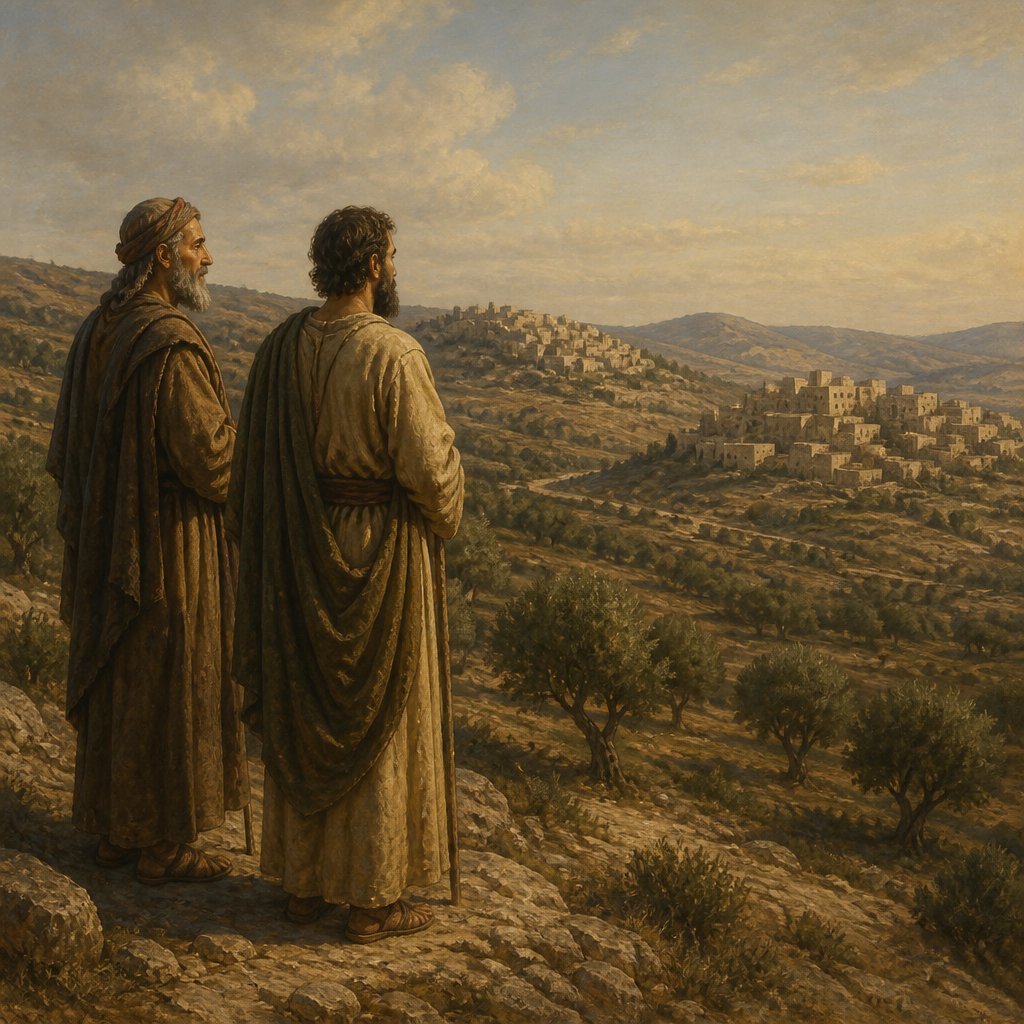
1 Chronicles 2:51 (KJV): "Salma the father of Bethlehem, Hareph the father of Beth-gader."
The book of 1 Chronicles is a historical record of the lineage of the Hebrew people, tracing their ancestry from Adam to the sons of Israel. This particular verse is a part of a genealogical account of the descendants of Judah, one of the twelve sons of Jacob. The verse lists two individuals, Salma and Hareph, as the fathers of Bethlehem and Beth-gader, respectively.
In order to truly understand the significance of this verse, it’s important to delve into the historical and cultural context in which it was written. During the time of the Old Testament, genealogical records were highly valued and played a significant role in the lives of the Hebrew people. Ancestry and lineage were crucial in determining one’s social status, inheritance rights, and even religious responsibilities. The tracing of one's lineage was a way to establish a person's rightful place within the community and to maintain a connection to their ancestors.
First and foremost, this verse illustrates the importance of lineage and heritage in Hebrew culture. The mention of Salma and Hareph as the fathers of Bethlehem and Beth-gader, respectively, serves to establish the historical and ancestral roots of these two cities. By including this information in the genealogical record, the author asserts the significance and legitimacy of these places within the history of the Hebrew people. Furthermore, it demonstrates the meticulous attention to detail and the meticulous preservation of historical records within the Hebrew community.
Beyond the historical significance, this verse also carries symbolic and spiritual meaning. Bethlehem, in particular, is a place of great importance in the Bible. It is the birthplace of King David, the greatest king in Israel's history, and is also the birthplace of Jesus Christ, the Messiah. The inclusion of Salma as the father of Bethlehem conveys the idea that Bethlehem is not just a physical place but also holds a special spiritual significance within the lineage of the Hebrew people. It is a place from which great leaders and saviors have emerged, and it represents hope and promise for the future.
In a broader sense, this verse highlights the idea of God’s providence and sovereignty over the course of history. Through the carefully preserved records of genealogy, the Hebrew people affirmed their belief that God was at work in the lives of their ancestors and that He had a plan for their future. Each name in the genealogical record represented a life that was significant and valued in the eyes of God. This sentiment is echoed throughout the Bible, emphasizing the idea that God is intimately involved in the lives of His people and that He works through generations to fulfill His purposes.
In conclusion, 1 Chronicles 2:51 is more than just a simple record of names and places; it is a reflection of the Hebrew people’s deep reverence for their ancestry, their history, and their faith. It serves as a reminder of the importance of preserving and honoring one’s heritage and the belief in God’s providential guidance throughout history. This verse holds a wealth of meaning for those who seek to understand and appreciate the rich cultural and spiritual heritage of the Hebrew people as well as for those who seek to connect with the timeless themes of lineage, faith, and God’s sovereignty.
Have questions about 1 Chronicles 2:51?
Dive deeper into this scripture with Bible Chat — an AI-powered tool for exploring God's Word through conversation. Ask questions, get context, and grow in your understanding of the Bible.
Get Our Apps


1 Chronicles 2:51 Artwork

1 Chronicles 2:51 - "Salma the father of Beth-lehem, Hareph the father of Beth-gader."
"Salma the father of Beth-lehem, Hareph the father of Beth-gader." - 1 Chronicles 2:51

1 Chronicles 1:51 - "¶ Hadad died also. And the dukes of Edom were; duke Timnah, duke Aliah, duke Jetheth,"

1 Chronicles 6:51 - "Bukki his son, Uzzi his son, Zerahiah his son,"

"Bukki his son, Uzzi his son, Zerahiah his son," - 1 Chronicles 6:51
"¶ Hadad died also. And the dukes of Edom were; duke Timnah, duke Aliah, duke Jetheth," - 1 Chronicles 1:51

Pslam 51:1

1 Chronicles 2:48 - "Maachah, Caleb's concubine, bare Sheber, and Tirhanah."

Pslam 51:1

1 Chronicles 2:8 - "And the sons of Ethan; Azariah."

1 Chronicles 2:15 - "Ozem the sixth, David the seventh:"

1 Chronicles 2:14 - "Nethaneel the fourth, Raddai the fifth,"

1 Chronicles 2:38 - "And Obed begat Jehu, and Jehu begat Azariah,"

1 Chronicles 2:41 - "And Shallum begat Jekamiah, and Jekamiah begat Elishama."

1 Chronicles 2:36 - "And Attai begat Nathan, and Nathan begat Zabad,"

1 Chronicles 2:11 - "And Nahshon begat Salma, and Salma begat Boaz,"

1 Chronicles 2:39 - "And Azariah begat Helez, and Helez begat Eleasah,"

psalm 51:10

Leviticus 14:51

1 Chronicles 2:5 - "The sons of Pharez; Hezron, and Hamul."

1 Chronicles 1:2 - "Kenan, Mahalaleel, Jered,"

1 Chronicles 2:2 - "Dan, Joseph, and Benjamin, Naphtali, Gad, and Asher."

1 Chronicles 2:20 - "And Hur begat Uri, and Uri begat Bezaleel."

1 Chronicles 2:40 - "And Eleasah begat Sisamai, and Sisamai begat Shallum,"

1 Chronicles 2:37 - "And Zabad begat Ephlal, and Ephlal begat Obed,"

1 Chronicles 2:12 - "And Boaz begat Obed, and Obed begat Jesse,"

"And the sons of Ethan; Azariah." - 1 Chronicles 2:8

"Nethaneel the fourth, Raddai the fifth," - 1 Chronicles 2:14

Ezra 2:51 - "The children of Bakbuk, the children of Hakupha, the children of Harhur,"

1 Corinthians 15:51-52