What does 1 Chronicles 2:46 mean?
"And Ephah, Caleb's concubine, bare Haran, and Moza, and Gazez: and Haran begat Gazez." - 1 Chronicles 2:46
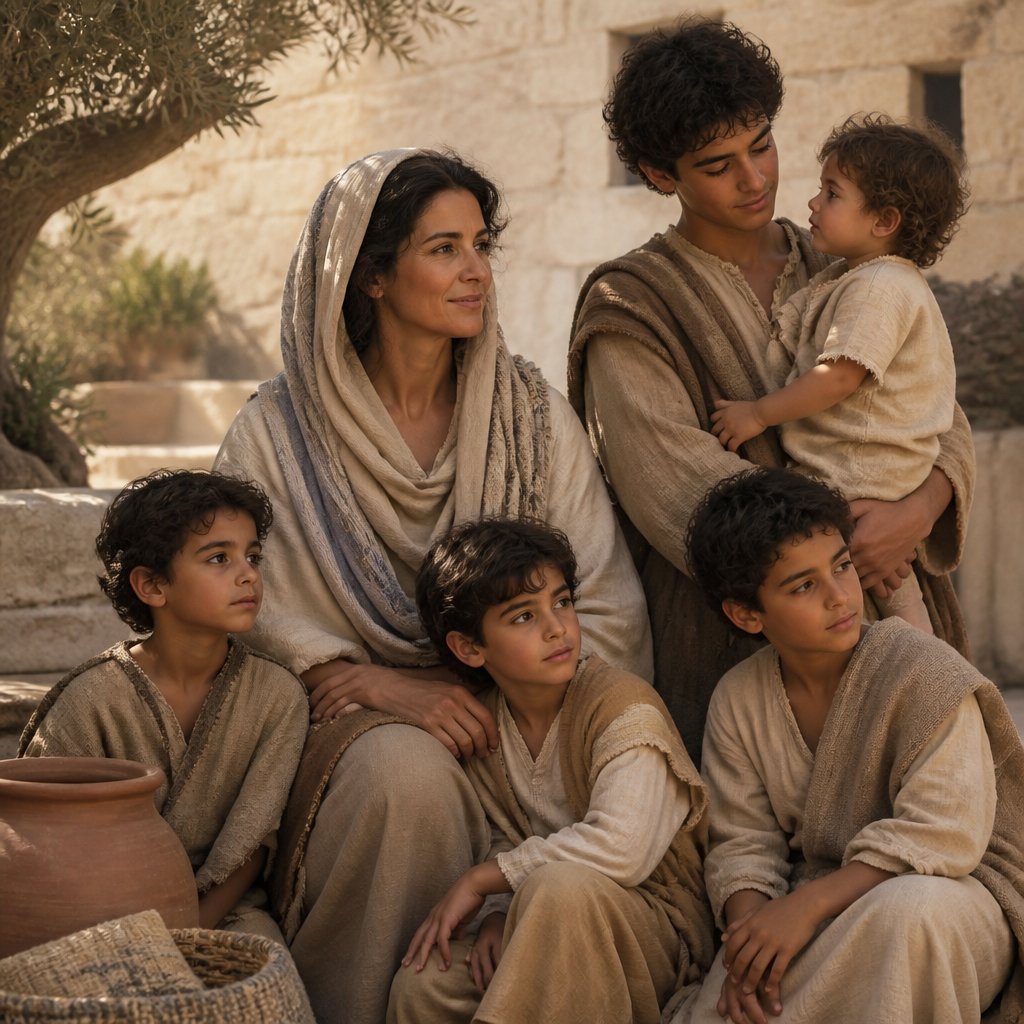
1 Chronicles 2:46 (KJV) - "And Ephah, Caleb's concubine, bare Haran, and Moza, and Gazez: and Haran begat Gazez."
The book of 1 Chronicles is a historical record of the lineage of the Israelites, focusing on the tribes of Judah and Levi. This particular verse is part of a genealogical record, tracing the descendants of Caleb, a prominent figure in the Israelite tribe of Judah. The verse specifically mentions Ephah, who was Caleb's concubine, and her sons Haran, Moza, and Gazez.
At first glance, this verse may seem like a simple recounting of historical lineage, but upon closer examination, we can uncover deeper themes, context, and symbolism within this seemingly mundane passage.
One theme that emerges from this verse is the importance of ancestry and lineage within the Israelite culture. The genealogical records found in the Bible were of great significance to the ancient Israelites, as they traced their heritage back to their forefathers and reinforced their sense of identity as God's chosen people. The meticulous recording of lineages served as a reminder of God's faithfulness and promises to the descendants of Abraham.
Additionally, this verse underscores the role of women in shaping the lineage of the Israelites. While Ephah is mentioned as Caleb's concubine, her inclusion in the genealogy highlights the significant part that women played in the continuation of the line of Judah. In a patriarchal society, the mention of Ephah and her sons serves as a reminder that women were valued members of the community, even if their roles may not have always been fully recognized or appreciated.
Furthermore, the names mentioned in this verse hold symbolic significance. The name "Haran" is associated with the idea of "parched," which could symbolize a dry and desolate condition. This may reflect the struggles or challenges that the descendants of Caleb faced as they continued the lineage. "Moza" means "weakness" or "withdrawn," suggesting a sense of vulnerability or a need for inner strength. "Gazez," on the other hand, translates to "fleecy," evoking the image of warmth and comfort. These names could symbolize the varying experiences and characteristics of Caleb's descendants, painting a picture of the diversity and complexity within a family lineage.
Contextually, this verse is situated within a larger narrative of the genealogy of the tribe of Judah. The meticulous recording of lineages in 1 Chronicles served to establish the legitimacy and heritage of the Israelite tribes, as well as to reinforce the sense of unity and shared identity among the people. This context provides a backdrop for understanding the significance of individual names and their placement within the genealogy.
In conclusion, 1 Chronicles 2:46 may appear to be a simple verse listing names and lineage, but upon closer examination, it reveals themes of ancestry, the role of women, and symbolic significance. This verse, along with the larger genealogical record in 1 Chronicles, serves as a testament to the preservation of heritage and the diversity within the lineage of the Israelites. It is a reminder of the intricate tapestry of familial connections, struggles, and triumphs that shape the history and identity of a people chosen by God.
Have questions about 1 Chronicles 2:46?
Dive deeper into this scripture with Bible Chat — an AI-powered tool for exploring God's Word through conversation. Ask questions, get context, and grow in your understanding of the Bible.
Get Our Apps


1 Chronicles 2:46 Artwork

1 Chronicles 2:46 - "And Ephah, Caleb's concubine, bare Haran, and Moza, and Gazez: and Haran begat Gazez."
"And Ephah, Caleb's concubine, bare Haran, and Moza, and Gazez: and Haran begat Gazez." - 1 Chronicles 2:46

1 Chronicles 11:46 - "Eliel the Mahavite, and Jeribai, and Joshaviah, the sons of Elnaam, and Ithmah the Moabite,"

1 Chronicles 6:46 - "The son of Amzi, the son of Bani, the son of Shamer,"

1 Chronicles 1:46 - "And when Husham was dead, Hadad the son of Bedad, which smote Midian in the field of Moab, reigned in his stead: and the name of his city was Avith."
"The son of Amzi, the son of Bani, the son of Shamer," - 1 Chronicles 6:46
"Eliel the Mahavite, and Jeribai, and Joshaviah, the sons of Elnaam, and Ithmah the Moabite," - 1 Chronicles 11:46

1 Kings 2:46 - "So the king commanded Benaiah the son of Jehoiada; which went out, and fell upon him, that he died. And the kingdom was established in the hand of Solomon."

1 Chronicles 2:48 - "Maachah, Caleb's concubine, bare Sheber, and Tirhanah."

1 Chronicles 2:8 - "And the sons of Ethan; Azariah."

1 Chronicles 2:15 - "Ozem the sixth, David the seventh:"

1 Chronicles 2:14 - "Nethaneel the fourth, Raddai the fifth,"

1 Chronicles 2:38 - "And Obed begat Jehu, and Jehu begat Azariah,"

1 Chronicles 2:41 - "And Shallum begat Jekamiah, and Jekamiah begat Elishama."

1 Chronicles 2:36 - "And Attai begat Nathan, and Nathan begat Zabad,"

1 Chronicles 2:11 - "And Nahshon begat Salma, and Salma begat Boaz,"

1 Chronicles 2:39 - "And Azariah begat Helez, and Helez begat Eleasah,"

Psalm 46:1-2 - "God is our refuge and strength, an ever-present help in trouble. Therefore we will not fear, though the earth give way and the mountains fall into the heart of the sea."

Luk 2:46-49

1 Chronicles 2:5 - "The sons of Pharez; Hezron, and Hamul."

1 Chronicles 1:2 - "Kenan, Mahalaleel, Jered,"

1 Chronicles 2:2 - "Dan, Joseph, and Benjamin, Naphtali, Gad, and Asher."

1 Chronicles 2:20 - "And Hur begat Uri, and Uri begat Bezaleel."

1 Chronicles 2:40 - "And Eleasah begat Sisamai, and Sisamai begat Shallum,"

1 Chronicles 2:37 - "And Zabad begat Ephlal, and Ephlal begat Obed,"

1 Chronicles 2:12 - "And Boaz begat Obed, and Obed begat Jesse,"

"And the sons of Ethan; Azariah." - 1 Chronicles 2:8

"Nethaneel the fourth, Raddai the fifth," - 1 Chronicles 2:14

Ezra 2:46 - "The children of Hagab, the children of Shalmai, the children of Hanan,"

"The sons of Pharez; Hezron, and Hamul." - 1 Chronicles 2:5