What does 1 Chronicles 2:37 mean?
"And Zabad begat Ephlal, and Ephlal begat Obed," - 1 Chronicles 2:37
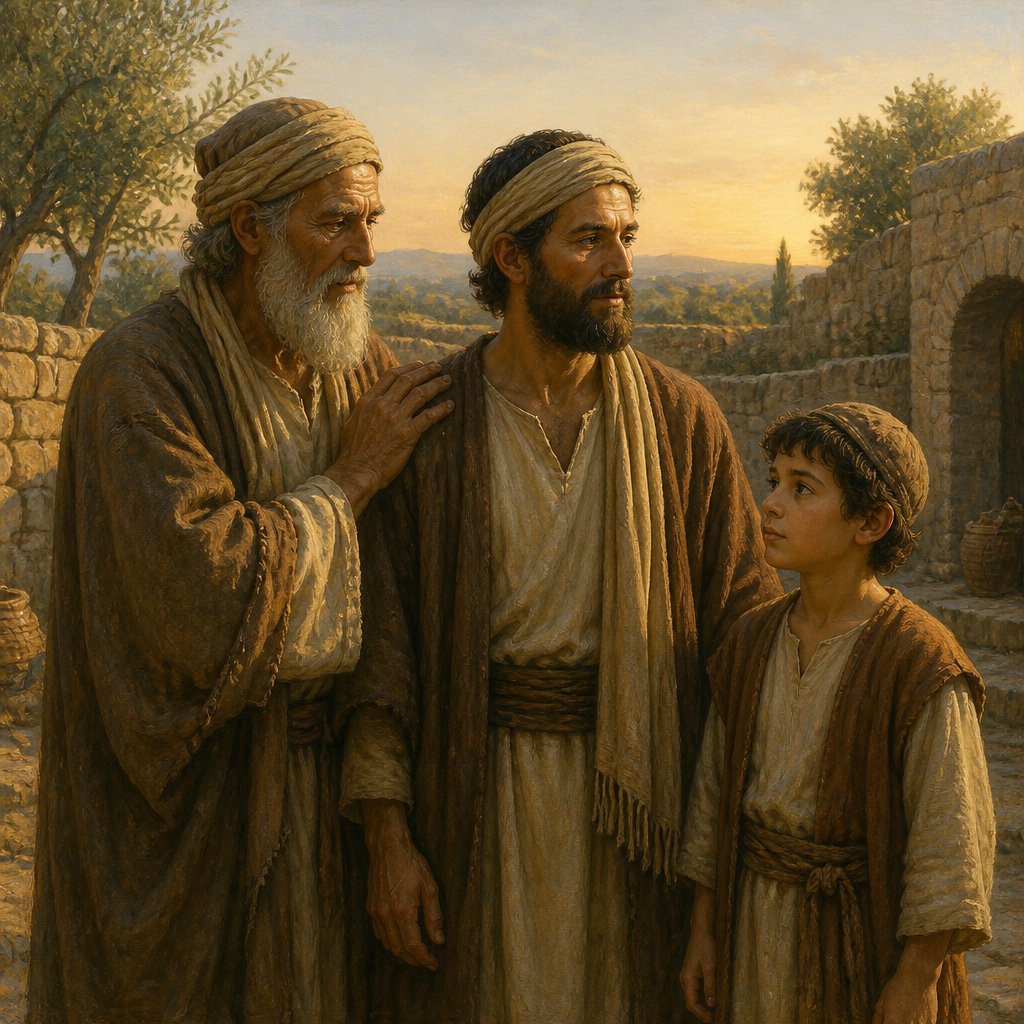
1 Chronicles 2:37 (KJV) - "Zabad begat Ephlal, and Ephlal begat Obed,"
The book of 1 Chronicles in the Old Testament of the Bible is a historical account of the genealogy of the Israelites, tracing the lineages of various families and tribes. This particular verse is part of a genealogical record that follows the lineage of the tribe of Judah, one of the twelve tribes of Israel. While on the surface, it may seem like just a list of names, it holds deeper significance and provides valuable insight into the history and identity of the Jewish people.
In the context of this verse, Zabad is the father of Ephlal, and Ephlal is the father of Obed. Each of these names represents an individual who played a role in the ancestral line that ultimately led to the birth of Jesus Christ. This genealogy is significant in providing a foundation for the Messiah's lineage.
The theme of lineage and ancestry is a central focus of the Bible, especially in the Old Testament. The genealogies serve to establish the legitimate line of descent and to connect historical figures to the promises and covenants made by God. In 1 Chronicles, the genealogy serves to affirm the continuity and heritage of the Israelite people, linking them to their forefathers and their God. It reinforces the concept of a chosen people who are part of a divine plan that unfolds through the generations.
Moreover, the mentioning of specific names in the genealogy holds symbolic significance. In biblical times, names were often given based on their meaning or circumstances of birth. Zabad, for instance, means "endowment" or "gift," which may suggest that the birth of Ephlal was seen as a gift from God. Similarly, Ephlal means "judged" or "to be judged," which could imply a sense of divine judgment or discernment in his life's purpose. Obed means "serving" or "worshipper," signifying a devotion to God. Therefore, these names not only carry historical significance but also convey spiritual and symbolic meanings.
Furthermore, this verse highlights the value and importance of each individual in the genealogical line. Every person mentioned, from Zabad to Obed, played a part in the unfolding of God's plan. It reflects the notion that every individual has a role to play in God's larger design, and their contributions, no matter how seemingly insignificant, are integral to the fulfillment of His purposes.
In a broader sense, this verse emphasizes the continuity of God's promises and the faithfulness of His covenant throughout the generations. By tracing the lineage of the tribe of Judah, it affirms the fulfillment of the promises made to the patriarchs and the perpetuation of the Messianic line. This serves as a testament to God's faithfulness and sovereignty in preserving the chosen line through which salvation would eventually come to the world.
In conclusion, 1 Chronicles 2:37 may appear as a simple genealogical record, but it carries profound themes of lineage, ancestry, and divine providence. It reinforces the continuity of God's plan throughout history, the significance of individual contributions, and the spiritual symbolism embedded in the names of the ancestral figures. Ultimately, it points to the unfolding of God's redemptive purposes through the generations, leading to the fulfillment of His promise in the coming of Jesus Christ.
Have questions about 1 Chronicles 2:37?
Dive deeper into this scripture with Bible Chat — an AI-powered tool for exploring God's Word through conversation. Ask questions, get context, and grow in your understanding of the Bible.
Get Our Apps


1 Chronicles 2:37 Artwork

1 Chronicles 2:37 - "And Zabad begat Ephlal, and Ephlal begat Obed,"

"And Zabad begat Ephlal, and Ephlal begat Obed," - 1 Chronicles 2:37

2 Chronicles 20:37

1 Chronicles 1:37 - "The sons of Reuel; Nahath, Zerah, Shammah, and Mizzah."

1 Chronicles 9:37 - "And Gedor, and Ahio, and Zechariah, and Mikloth."

1 Chronicles 11:37 - "Hezro the Carmelite, Naarai the son of Ezbai,"

1 Chronicles 7:37 - "Bezer, and Hod, and Shamma, and Shilshah, and Ithran, and Beera."

1 Chronicles 6:37 - "The son of Tahath, the son of Assir, the son of Ebiasaph, the son of Korah,"

1 Chronicles 4:37 - "And Ziza the son of Shiphi, the son of Allon, the son of Jedaiah, the son of Shimri, the son of Shemaiah;"

Luke 2:37

"And Gedor, and Ahio, and Zechariah, and Mikloth." - 1 Chronicles 9:37

Luke 2:37

"The sons of Reuel; Nahath, Zerah, Shammah, and Mizzah." - 1 Chronicles 1:37

1 Chronicles 8:37 - "And Moza begat Binea: Rapha was his son, Eleasah his son, Azel his son:"

"Hezro the Carmelite, Naarai the son of Ezbai," - 1 Chronicles 11:37

"Bezer, and Hod, and Shamma, and Shilshah, and Ithran, and Beera." - 1 Chronicles 7:37

1 Chronicles 12:37 - "And on the other side of Jordan, of the Reubenites, and the Gadites, and of the half tribe of Manasseh, with all manner of instruments of war for the battle, an hundred and twenty thousand."

1 Chronicles 23:7 - "¶ Of the Gershonites were, Laadan, and Shimei."

1 Chronicles 16:37 - "¶ So he left there before the ark of the covenant of the LORD Asaph and his brethren, to minister before the ark continually, as every day's work required:"

"The son of Tahath, the son of Assir, the son of Ebiasaph, the son of Korah," - 1 Chronicles 6:37

1 Chronicles 2:48 - "Maachah, Caleb's concubine, bare Sheber, and Tirhanah."

"¶ Of the Gershonites were, Laadan, and Shimei." - 1 Chronicles 23:7

1 Chronicles 2:8 - "And the sons of Ethan; Azariah."

1 Chronicles 2:15 - "Ozem the sixth, David the seventh:"

1 Chronicles 2:14 - "Nethaneel the fourth, Raddai the fifth,"

1 Chronicles 2:38 - "And Obed begat Jehu, and Jehu begat Azariah,"

1 Chronicles 2:41 - "And Shallum begat Jekamiah, and Jekamiah begat Elishama."

1 Chronicles 2:36 - "And Attai begat Nathan, and Nathan begat Zabad,"

1 Chronicles 2:11 - "And Nahshon begat Salma, and Salma begat Boaz,"

1 Chronicles 2:39 - "And Azariah begat Helez, and Helez begat Eleasah,"