What does 1 Chronicles 29:18 mean?
"O LORD God of Abraham, Isaac, and of Israel, our fathers, keep this for ever in the imagination of the thoughts of the heart of thy people, and prepare their heart unto thee:" - 1 Chronicles 29:18
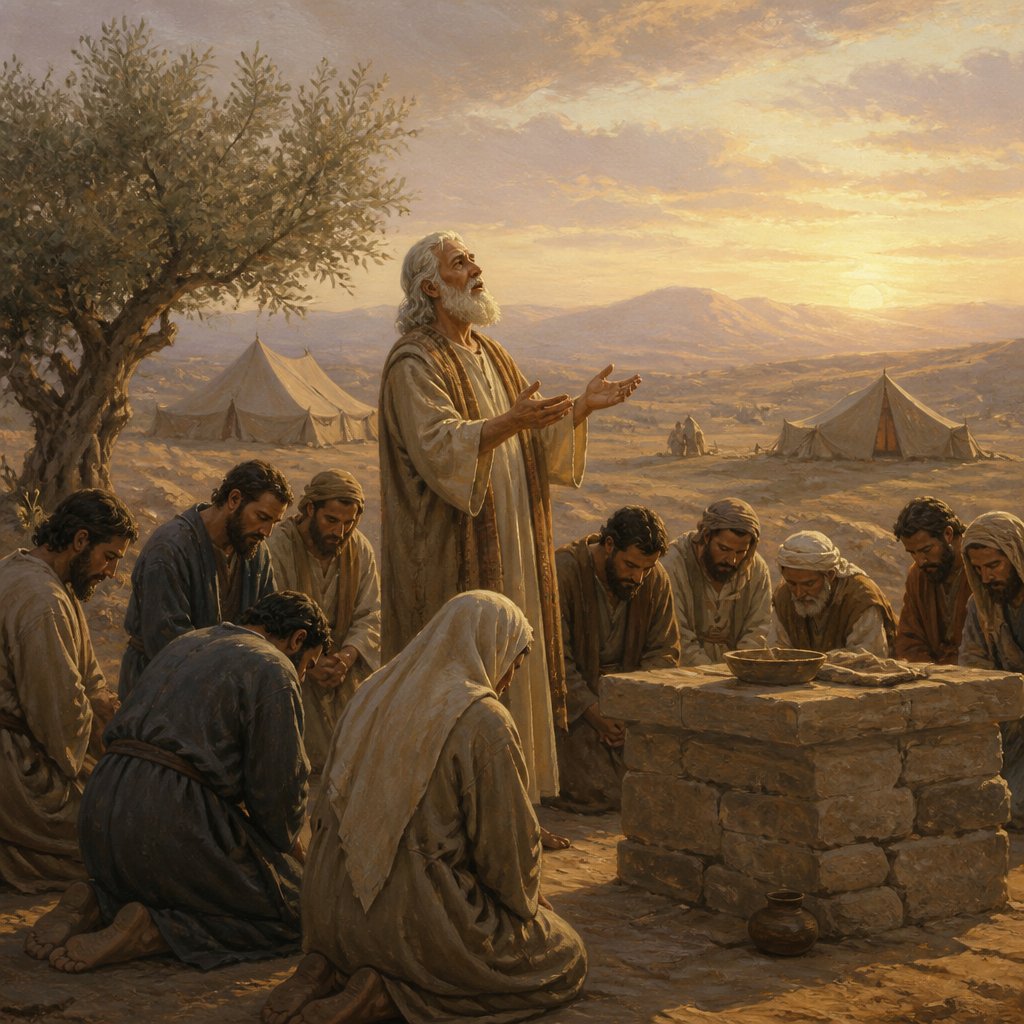
1 Chronicles 29:18 (KJV) reads, "O Lord God of Abraham, Isaac, and of Israel, our fathers, keep this for ever in the imagination of the thoughts of the heart of thy people, and prepare their heart unto thee."
This verse comes from the conclusion of King David's prayer and exhortation to the people of Israel as they were preparing to build the temple for the Lord. David had gathered a great amount of resources and offerings from the people for this purpose, and he prayed that the people's hearts would remain devoted to God and that they would continue to seek Him and serve Him faithfully.
The verse begins by addressing God as "the Lord God of Abraham, Isaac, and of Israel," referencing the patriarchs of the nation of Israel. This establishes a connection to the past, reminding the people of God's faithfulness to their ancestors and His continued involvement in their lives. By invoking the names of the patriarchs, David is emphasizing the historical and covenantal relationship between God and the people of Israel.
David then prays that God would "keep this for ever in the imagination of the thoughts of the heart of thy people." This petition reflects David's desire for the people to continually remember and meditate on their commitment to God and His covenant. The word "imagination" here can be understood as the inner being or the depths of their hearts. David's prayer is that the devotion of the people would not be transient or external, but that it would be deeply ingrained in their thoughts and affections. He wants their commitment to God to be genuine and enduring, rooted in their innermost being.
Furthermore, David entreats God to "prepare their heart unto thee." This request acknowledges the need for God's intervention in the hearts of the people. David is aware that true devotion to God cannot be manufactured by human effort alone; it requires the work of God in transforming and aligning the hearts of the people with His will. This aligns with the broader biblical theme of God's sovereignty and the necessity of His work in the hearts of His people.
The overall theme of this verse is the enduring devotion and commitment of God's people to Him. David's prayer reflects a deep understanding of the importance of the heart in the worship and service of God. He understands that external actions or offerings are not sufficient if they do not stem from a heart that is devoted and aligned with God's purposes. David's prayer also demonstrates the awareness of the need for God's transformative work in the lives of His people, emphasizing the dependence on God for true and lasting devotion.
The broader context of this verse within the book of 1 Chronicles is important for understanding its significance. The book of 1 Chronicles extensively details the genealogies and history of the people of Israel, emphasizing their identity as God's chosen people and their spiritual heritage. The passage leading up to this verse describes the offerings and resources gathered for the building of the temple, highlighting the unity and generosity of the people in this endeavor. David's prayer then serves as a fitting conclusion to this context, as he prays for the spiritual devotion and preparedness of the people as they embark on this significant project.
Symbolically, the verse represents the foundational importance of the heart in the worship and service of God. It highlights the internal nature of true devotion and the necessity of God's transformative work in the hearts of His people. The invocation of the patriarchs and the emphasis on the enduring nature of devotion also underscore the historical and covenantal aspects of the relationship between God and His people.
In conclusion, 1 Chronicles 29:18 is a prayer of King David that reflects the deep understanding of the importance of the heart in the worship and service of God. It emphasizes the need for true and enduring devotion that is rooted in the inner being of the people and highlights the necessity of God's transformative work in their hearts. The verse is a powerful reminder of the internal nature of true devotion and the foundational role of the heart in the relationship between God and His people.
Have questions about 1 Chronicles 29:18?
Dive deeper into this scripture with Bible Chat — an AI-powered tool for exploring God's Word through conversation. Ask questions, get context, and grow in your understanding of the Bible.
Get Our Apps


1 Chronicles 29:18 Artwork

1 Chronicles 29:18 - "O LORD God of Abraham, Isaac, and of Israel, our fathers, keep this for ever in the imagination of the thoughts of the heart of thy people, and prepare their heart unto thee:"
"O LORD God of Abraham, Isaac, and of Israel, our fathers, keep this for ever in the imagination of the thoughts of the heart of thy people, and prepare their heart unto thee:" - 1 Chronicles 29:18

1 Chronicles 4:29 - "And at Bilhah, and at Ezem, and at Tolad,"

1 Chronicles 1:29 - "¶ These are their generations: The firstborn of Ishmael, Nebaioth; then Kedar, and Adbeel, and Mibsam,"

1 Chronicles 11:29 - "Sibbecai the Hushathite, Ilai the Ahohite,"

1 Chronicles 24:29 - "Concerning Kish: the son of Kish was Jerahmeel."

1 Chronicles 29:29 - "Now the acts of David the king, first and last, behold, they are written in the book of Samuel the seer, and in the book of Nathan the prophet, and in the book of Gad the seer,"

1 Chronicles 29:26 - "¶ Thus David the son of Jesse reigned over all Israel."

1 Chronicles 8:29 - "And at Gibeon dwelt the father of Gibeon; whose wife's name was Maachah:"

1 Chronicles 1:18 - "And Arphaxad begat Shelah, and Shelah begat Eber."

1 Chronicles 2:29 - "And the name of the wife of Abishur was Abihail, and she bare him Ahban, and Molid."

"And at Bilhah, and at Ezem, and at Tolad," - 1 Chronicles 4:29

2 Chronicles 18:29 - "And the king of Israel said unto Jehoshaphat, I will disguise myself, and will go to the battle; but put thou on thy robes. So the king of Israel disguised himself; and they went to the battle."

2 Chronicles 29:18 - "Then they went in to Hezekiah the king, and said, We have cleansed all the house of the LORD, and the altar of burnt offering, with all the vessels thereof, and the shewbread table, with all the vessels thereof."

1 Chronicles 25:29 - "The two and twentieth to Giddalti, he, his sons, and his brethren, were twelve:"

1 Chronicles 23:18 - "Of the sons of Izhar; Shelomith the chief."

1 Samuel 18:29 - "And Saul was yet the more afraid of David; and Saul became David's enemy continually."

1 Chronicles 16:29 – "Ascribe to the Lord the glory due his name; bring an offering and come before him."

1 Chronicles 29:13 - "Now therefore, our God, we thank thee, and praise thy glorious name."

1 Chronicles 26:29 - "¶ Of the Izharites, Chenaniah and his sons were for the outward business over Israel, for officers and judges."

"Sibbecai the Hushathite, Ilai the Ahohite," - 1 Chronicles 11:29

1 Chronicles 6:29 - "The sons of Merari; Mahli, Libni his son, Shimei his son, Uzza his son,"

1 Kings 14:29 - "¶ Now the rest of the acts of Rehoboam, and all that he did, are they not written in the book of the chronicles of the kings of Judah?"

1 Chronicles 8:18 - "Ishmerai also, and Jezliah, and Jobab, the sons of Elpaal;"

1 Chronicles 24:18 - "The three and twentieth to Delaiah, the four and twentieth to Maaziah."

1 Chronicles 26:18 - "At Parbar westward, four at the causeway, and two at Parbar."

1 Chronicles 29:6 - "¶ Then the chief of the fathers and princes of the tribes of Israel, and the captains of thousands and of hundreds, with the rulers of the king's work, offered willingly,"

"¶ These are their generations: The firstborn of Ishmael, Nebaioth; then Kedar, and Adbeel, and Mibsam," - 1 Chronicles 1:29

1 Chronicles 29:8 - "And they with whom precious stones were found gave them to the treasure of the house of the LORD, by the hand of Jehiel the Gershonite."

1 Chronicles 27:29 - "And over the herds that fed in Sharon was Shitrai the Sharonite: and over the herds that were in the valleys was Shaphat the son of Adlai:"