What does 1 Chronicles 23:25 mean?
"For David said, The LORD God of Israel hath given rest unto his people, that they may dwell in Jerusalem for ever:" - 1 Chronicles 23:25
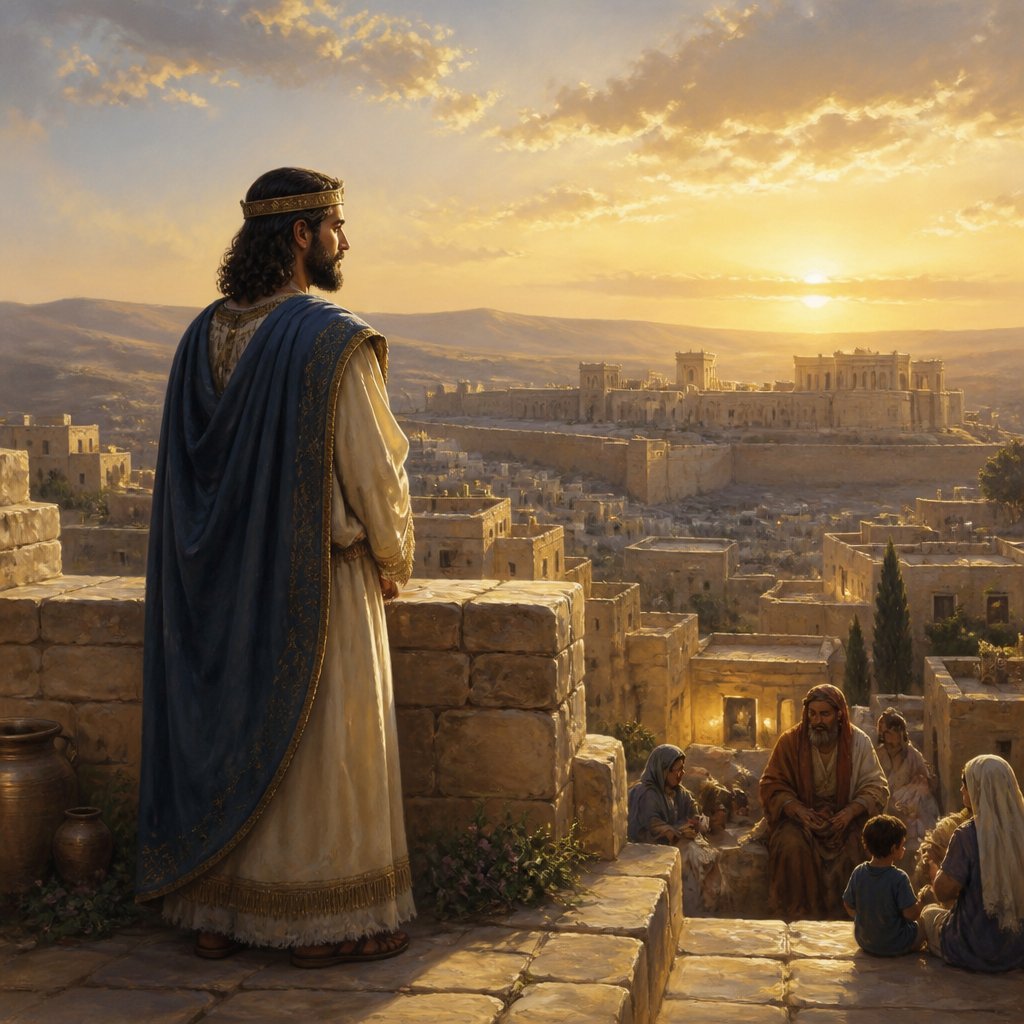
1 Chronicles 23:25 (KJV) states, "For David said, The LORD God of Israel hath given rest unto his people, that they may dwell in Jerusalem for ever."
This verse is a powerful declaration of the sovereignty and faithfulness of God, as well as a prophetic affirmation of the eternal nature of His promises. It is important to understand the context in which this verse appears in order to fully grasp its significance.
In the preceding verses, we see that King David is making preparations for the construction of the temple in Jerusalem, which is to be the dwelling place of the Lord. The Levites are assigned various duties related to the service of the temple, and David organizes them into groups to fulfill these responsibilities. This particular verse is David's acknowledgement of God's faithfulness in giving rest to His people and establishing Jerusalem as the eternal city of His dwelling.
The theme of rest is prevalent throughout the Bible, particularly in the Old Testament, where it often signifies the culmination of God's work and the establishment of His kingdom. In this context, the rest mentioned by David refers to the peace and security that God has bestowed upon His people, allowing them to dwell in Jerusalem without fear of disturbance or exile. This rest is not merely physical, but also spiritual, signifying the presence of God among His people and the fulfillment of His promises.
Furthermore, the idea of Jerusalem as the eternal dwelling place of God is significant in the larger biblical narrative. Jerusalem is often symbolic of the heavenly city, the ultimate destination of God's people and the place where His presence is fully manifest. By declaring that God has given rest to His people so that they may dwell in Jerusalem forever, David is expressing his confidence in God's eternal covenant with His chosen ones and the unshakable nature of His promises.
Symbolically, Jerusalem represents the spiritual home of all believers, the place where they can find refuge and communion with God. It is a symbol of hope, security, and the presence of God's kingdom on earth. By proclaiming the eternal nature of Jerusalem as the dwelling place of God, David is affirming the unchanging character of God and His enduring commitment to His people.
This verse also highlights the role of David as a prophetic figure, foreshadowing the coming of Jesus Christ, who would establish the ultimate rest for God's people through His redemptive work. The concept of rest in this verse points forward to the spiritual rest that Jesus offers to all who believe in Him, as mentioned in Hebrews 4:9, "There remaineth therefore a rest to the people of God." This rest is not limited to a physical location, but is found in the presence of God Himself, who brings peace and fulfillment to the hearts of His people.
In conclusion, 1 Chronicles 23:25 is a profound declaration of God's faithfulness, the eternal nature of His promises, and the spiritual rest that He provides for His people. It conveys the themes of peace, security, and the presence of God's kingdom, while also pointing forward to the ultimate rest that Jesus Christ offers. This verse serves as a powerful reminder of God's enduring love and His commitment to His people, and it encourages believers to find their rest in Him.
Have questions about 1 Chronicles 23:25?
Dive deeper into this scripture with Bible Chat — an AI-powered tool for exploring God's Word through conversation. Ask questions, get context, and grow in your understanding of the Bible.
Get Our Apps


1 Chronicles 23:25 Artwork

1 Chronicles 23:25 - "For David said, The LORD God of Israel hath given rest unto his people, that they may dwell in Jerusalem for ever:"
"For David said, The LORD God of Israel hath given rest unto his people, that they may dwell in Jerusalem for ever:" - 1 Chronicles 23:25

1 Chronicles 25:23 - "The sixteenth to Hananiah, he, his sons, and his brethren, were twelve:"
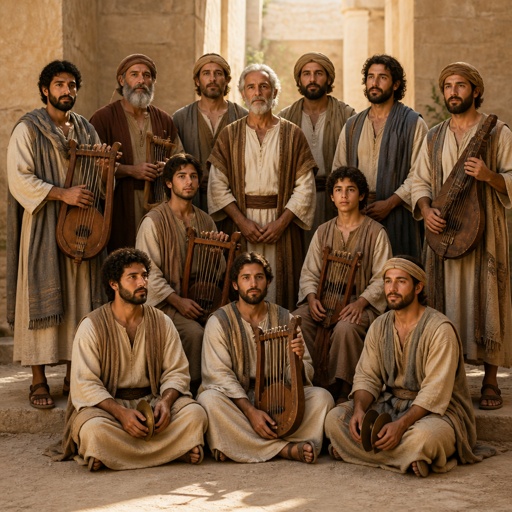
"The sixteenth to Hananiah, he, his sons, and his brethren, were twelve:" - 1 Chronicles 25:23

1 Chronicles 1:25 - "Eber, Peleg, Reu,"

1 Chronicles 23:23 - "The sons of Mushi; Mahli, and Eder, and Jeremoth, three."

1 Chronicles 25:25 - "The eighteenth to Hanani, he, his sons, and his brethren, were twelve:"

1 Chronicles 8:25 - "And Iphedeiah, and Penuel, the sons of Shashak;"

1 Chronicles 6:25 - "And the sons of Elkanah; Amasai, and Ahimoth."

1 Chronicles 8:23 - "And Abdon, and Zichri, and Hanan,"

1 Chronicles 1:23 - "And Ophir, and Havilah, and Jobab. All these were the sons of Joktan."

1 Chronicles 23:7 - "¶ Of the Gershonites were, Laadan, and Shimei."

1 Chronicles 26:23 - "Of the Amramites, and the Izharites, the Hebronites, and the Uzzielites:"

"Eber, Peleg, Reu," - 1 Chronicles 1:25

1 Chronicles 23:18 - "Of the sons of Izhar; Shelomith the chief."

1 Chronicles 23:16 - "Of the sons of Gershom, Shebuel was the chief."

1 Chronicles 24:25 - "The brother of Michah was Isshiah: of the sons of Isshiah; Zechariah."

1 Chronicles 23:15 - "The sons of Moses were, Gershom, and Eliezer."

1 Chronicles 15:23 - "And Berechiah and Elkanah were doorkeepers for the ark."

1 Chronicles 23:20 - "Of the sons of Uzziel; Michah the first, and Jesiah the second."

1 Chronicles 3:23 - "And the sons of Neariah; Elioenai, and Hezekiah, and Azrikam, three."

1 Chronicles 23:8 - "The sons of Laadan; the chief was Jehiel, and Zetham, and Joel, three."

1 Chronicles 25:22 - "The fifteenth to Jeremoth, he, his sons, and his brethren, were twelve:"

1 Chronicles 4:25 - "Shallum his son, Mibsam his son, Mishma his son."

1 Chronicles 25:12 - "The fifth to Nethaniah, he, his sons, and his brethren, were twelve:"

1 Chronicles 25:17 - "The tenth to Shimei, he, his sons, and his brethren, were twelve:"

1 Chronicles 25:21 - "The fourteenth to Mattithiah, he, his sons, and his brethren, were twelve:"

1 Chronicles 25:26 - "The nineteenth to Mallothi, he, his sons, and his brethren, were twelve:"

1 Chronicles 25:19 - "The twelfth to Hashabiah, he, his sons, and his brethren, were twelve:"

1 Chronicles 25:13 - "The sixth to Bukkiah, he, his sons, and his brethren, were twelve:"