What does 1 Chronicles 22:8 mean?
"But the word of the LORD came to me, saying, Thou hast shed blood abundantly, and hast made great wars: thou shalt not build an house unto my name, because thou hast shed much blood upon the earth in my sight." - 1 Chronicles 22:8
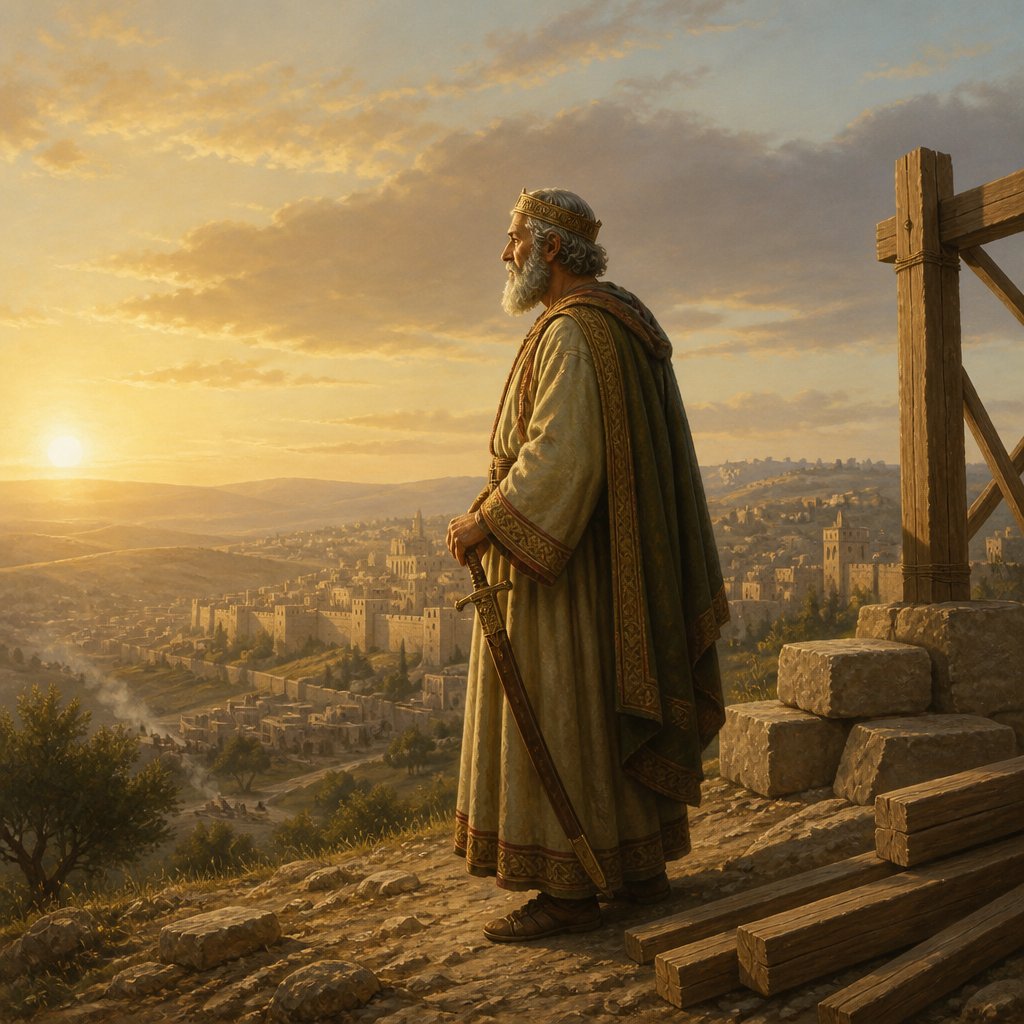
The Bible verse 1 Chronicles 22:8 in the King James Version reads, "But the word of the Lord came to me, saying, 'Thou hast shed blood abundantly, and hast made great wars: thou shalt not build an house unto my name, because thou hast shed much blood upon the earth in my sight.'" This verse is part of a larger passage in which King David is preparing to pass on the throne to his son Solomon and to make plans for the construction of the temple.
In this verse, David acknowledges that he is not fit to build a house for the Lord because he has shed much blood through his many wars. This is a significant moment in David's life and reign as king, as it represents a turning point in his relationship with God and the future of his kingdom. The verse also highlights important themes related to the nature of God, human sinfulness, and the importance of obedience.
One of the key themes in this verse is the holiness and purity of God. The phrase "house unto my name" refers to the temple that David wants to build for the Lord. In the Old Testament, the temple was a central symbol of God's presence among His people and was meant to be a place of worship and sacrifice. By acknowledging that he is not worthy to build the temple, David is recognizing the holy and righteous nature of God. This highlights the theme of God's holiness and the need for humanity to approach Him with reverence and humility.
Another important theme in this verse is the concept of human sinfulness and the need for repentance. David's acknowledgment of his own guilt in shedding blood abundantly and making great wars reflects his awareness of his sinful nature and the consequences of his actions. Despite being a man after God's own heart, David recognizes that he has fallen short and is not deserving of the honor of building the temple. This highlights the theme of human sinfulness and the need for repentance and forgiveness in order to be in right relationship with God.
The verse also conveys the theme of obedience to God's will. David accepts God's decision and does not try to argue or justify himself. Instead, he humbly submits to God's authority and plans for the future. This demonstrates the importance of obedience and submission to God's will, even when it goes against our own desires and plans. It also serves as a model for how we should respond when we are convicted of our sin and seek to align our lives with God's purposes.
The context of this verse is also important for understanding its significance. David's desire to build a temple for the Lord reflects his deep faith and devotion to God. However, the Lord's response to David's intentions shows that God's plans and purposes are not always in line with human expectations. While David's desire to honor God through the construction of the temple is commendable, God's standards are higher and require obedience and purity of heart.
Symbolism is also present in this verse, particularly with regards to the temple. The temple was a symbol of God's presence and a place of worship and sacrifice. It was also a physical representation of the relationship between God and His people. By denying David the privilege of building the temple, God is emphasizing the importance of purity and obedience in the worship of Him. The shedding of blood in war is symbolic of the stain of sin and the impurity that prevents David from carrying out this important task.
In conclusion, 1 Chronicles 22:8 in the King James Version is a powerful and poignant verse that reflects important themes related to the nature of God, human sinfulness, and the importance of obedience. It serves as a reminder of the holiness and purity of God, the need for repentance and forgiveness, and the importance of aligning our lives with God's will. The verse also highlights the symbolism of the temple as a representation of God's presence and the relationship between humanity and the divine. Overall, this verse carries deep meaning and serves as a source of insight and guidance for believers in their relationship with God.
Have questions about 1 Chronicles 22:8?
Dive deeper into this scripture with Bible Chat — an AI-powered tool for exploring God's Word through conversation. Ask questions, get context, and grow in your understanding of the Bible.
Get Our Apps


1 Chronicles 22:8 Artwork

1 Chronicles 22:8 - "But the word of the LORD came to me, saying, Thou hast shed blood abundantly, and hast made great wars: thou shalt not build an house unto my name, because thou hast shed much blood upon the earth in my sight."
"But the word of the LORD came to me, saying, Thou hast shed blood abundantly, and hast made great wars: thou shalt not build an house unto my name, because thou hast shed much blood upon the earth in my sight." - 1 Chronicles 22:8

1 Chronicles 8:22 - "And Ishpan, and Heber, and Eliel,"

"And Ishpan, and Heber, and Eliel," - 1 Chronicles 8:22

1 Chronicles 1:22 - "And Ebal, and Abimael, and Sheba,"

2 Chronicles 4:22

1 Chronicles 24:22 - "Of the Izharites; Shelomoth: of the sons of Shelomoth; Jahath."

1 Chronicles 22:1 - "Then David said, This is the house of the LORD God, and this is the altar of the burnt offering for Israel."

"And Ebal, and Abimael, and Sheba," - 1 Chronicles 1:22

1 Kings 8:22

1 Chronicles 1:8 - "¶ The sons of Ham; Cush, and Mizraim, Put, and Canaan."

1 chronicles 12:8

1 Chronicles 8:31 - "And Gedor, and Ahio, and Zacher."

1 Chronicles 8:20 - "And Elienai, and Zilthai, and Eliel,"

1 Chronicles 8:19 - "And Jakim, and Zichri, and Zabdi,"

1 Chronicles 8:24 - "And Hananiah, and Elam, and Antothijah,"

1 Chronicles 8:5 - "And Gera, and Shephuphan, and Huram."

1 Chronicles 8:26 - "And Shamsherai, and Shehariah, and Athaliah,"

1 Chronicles 8:14 - "And Ahio, Shashak, and Jeremoth,"

1 Chronicles 2:8 - "And the sons of Ethan; Azariah."

1 Chronicles 8:23 - "And Abdon, and Zichri, and Hanan,"

1 Chronicles 8:4 - "And Abishua, and Naaman, and Ahoah,"

1 Chronicles 8:15 - "And Zebadiah, and Arad, and Ader,"

1 Chronicles 8:2 - "Nohah the fourth, and Rapha the fifth."

1 Chronicles 3:8 - "And Elishama, and Eliada, and Eliphelet, nine."

1 Chronicles 16:22 - "Saying, Touch not mine anointed, and do my prophets no harm."

1 Chronicles 27:22 - "Of Dan, Azareel the son of Jeroham. These were the princes of the tribes of Israel."

1 Chronicles 8:17 - "And Zebadiah, and Meshullam, and Hezeki, and Heber,"

1 Chronicles 24:8 - "The third to Harim, the fourth to Seorim,"

1 Chronicles 8:25 - "And Iphedeiah, and Penuel, the sons of Shashak;"