What does 1 Chronicles 1:49 mean?
"And when Shaul was dead, Baal-hanan the son of Achbor reigned in his stead." - 1 Chronicles 1:49
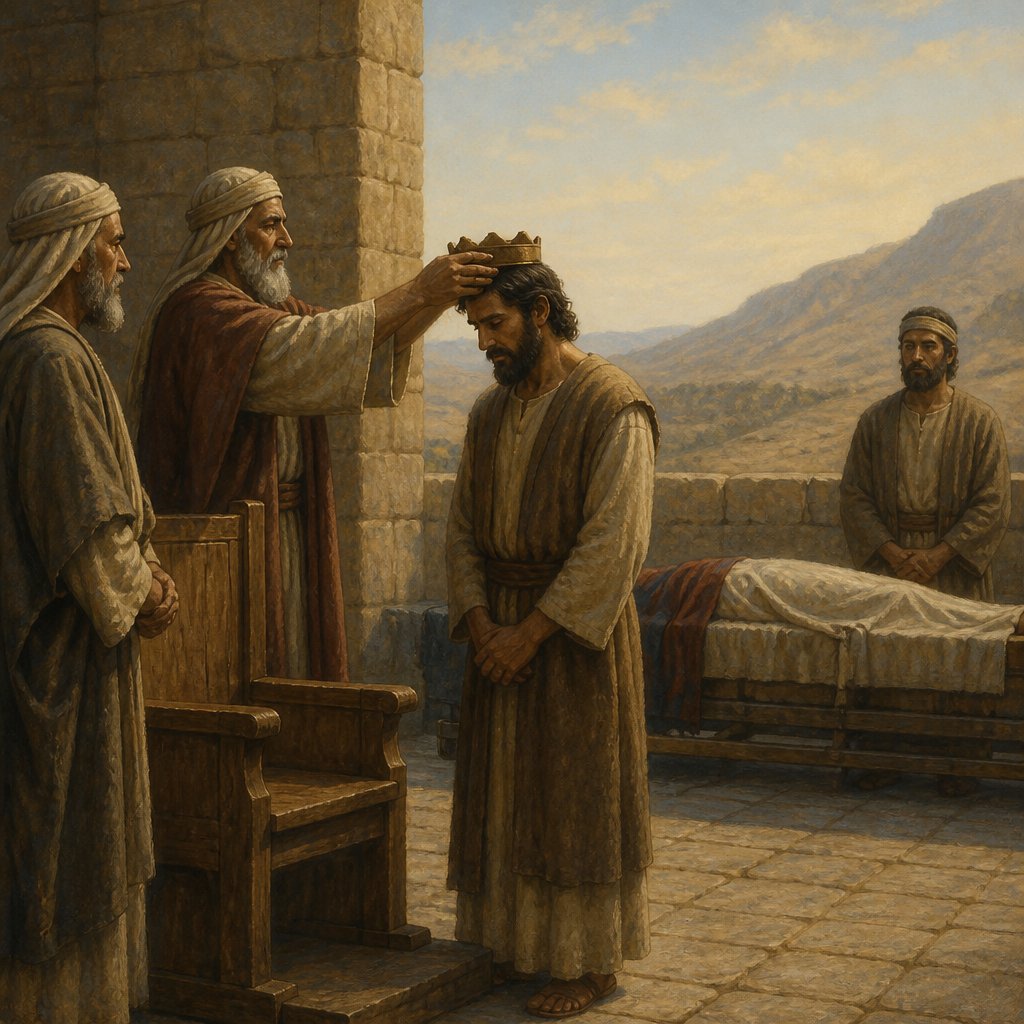
1 Chronicles 1:49 (KJV) reads "And after he died Hushim and Hazo-bavith and all of whom Caleb's concubine, Ephah, bore, and Haran, and Moza, and Gazez..."
The book of 1 Chronicles is part of the historical books of the Old Testament and is believed to have been written by Ezra, a priest and scribe, after the Israelites returned from exile in Babylon. It primarily focuses on the genealogy of the Israelites, tracing their lineage from Adam and Eve to the time of King David. The purpose of the book is to remind the Israelites of their heritage and to emphasize the eternal covenant between God and David's descendants.
In the preceding verses of 1 Chronicles 1, the lineage of Caleb, a prominent figure in the Israelite history, is traced. Caleb was a faithful follower of Moses and a leader among the Israelites during their wilderness wanderings and the conquest of the Promised Land. This verse specifically references the offspring of Caleb's concubine, Ephah.
The mention of Hushim, Hazo-bavith, Haran, Moza, and Gazez, the children of Ephah, highlights the importance of lineage and heritage in the Old Testament. Genealogy was of great significance in ancient Israel as it determined one's inheritance, social status, and connection to the covenant with God. The meticulous recording of family lines in 1 Chronicles served to validate the rightful inheritance of land and to establish the legitimacy of the Davidic dynasty.
Furthermore, the verse also points to the complexity and challenges within the family structure. The presence of concubines and their offspring was a common practice in ancient Near Eastern societies, and it often led to conflicts and tensions within the family. This verse reminds readers of the human flaws and dynamics present even among the notable figures in Israel's history.
Symbolically, this passage emphasizes the idea of inclusion and belonging within the community of God's chosen people. Despite being born to a concubine, Hushim, Hazo-bavith, Haran, Moza, and Gazez are still recognized as part of the lineage of Caleb, and by extension, the broader Israelite community. This serves as a reminder that God's covenant and blessings are not limited by human social norms or conventions, but encompass all who are descendants of Abraham by faith.
The larger thematic significance of this verse lies in the overarching narrative of God's faithfulness and the continuity of His promises through the generations. The genealogical records in 1 Chronicles affirm the sovereignty of God in preserving and guiding His people throughout history. It reinforces the idea that God's plan for redemption and restoration unfolds within the context of human history, rooted in the lives and experiences of individuals and families.
In conclusion, 1 Chronicles 1:49 may seem to be a small and inconspicuous verse within the larger narrative of the Bible, but it carries significant symbolic and thematic weight. Through the genealogy of Caleb's offspring, it conveys the importance of lineage, the complexities of family dynamics, the inclusivity of God's covenant, and the continuous thread of God's faithfulness throughout history. As with every passage in the Bible, it invites readers to reflect on the eternal truths and timeless lessons embedded within the genealogies and historical accounts.
Have questions about 1 Chronicles 1:49?
Dive deeper into this scripture with Bible Chat — an AI-powered tool for exploring God's Word through conversation. Ask questions, get context, and grow in your understanding of the Bible.
Get Our Apps


1 Chronicles 1:49 Artwork
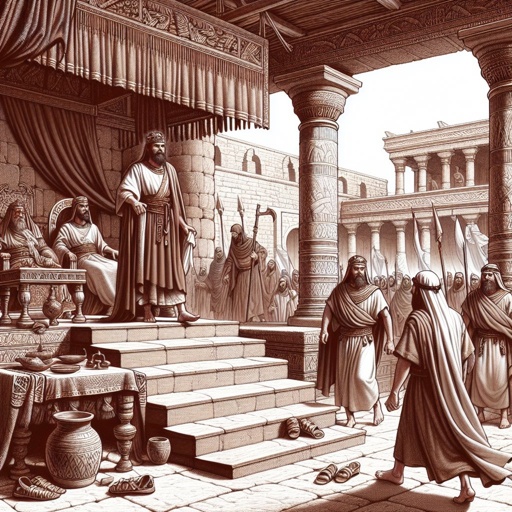
1 Chronicles 1:49 - "And when Shaul was dead, Baal-hanan the son of Achbor reigned in his stead."
"And when Shaul was dead, Baal-hanan the son of Achbor reigned in his stead." - 1 Chronicles 1:49
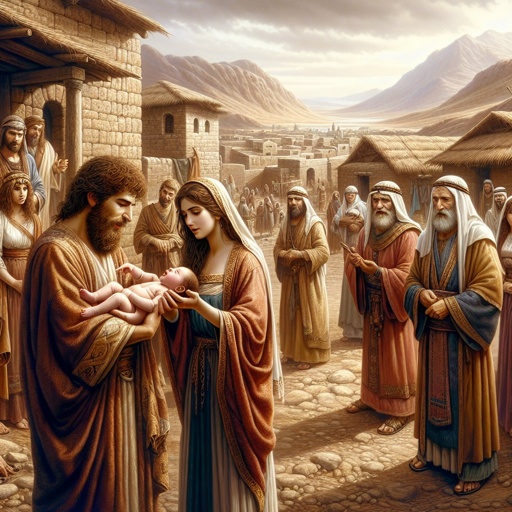
1 Chronicles 2:49 - "She bare also Shaaph the father of Madmannah, Sheva the father of Machbenah, and the father of Gibea: and the daughter of Caleb was Achsa."
Psalm 49

Genesis 49:9

Jeremiah 3:49
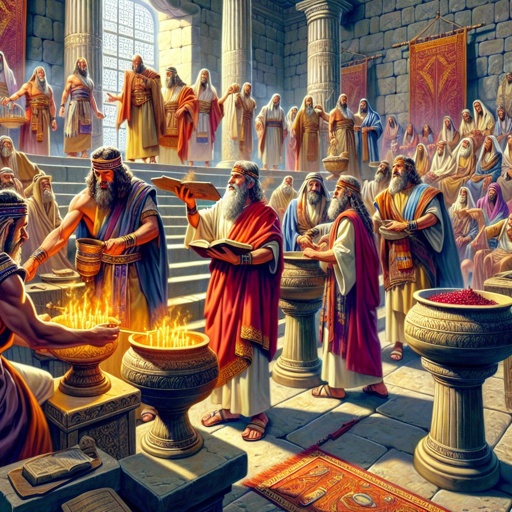
1 Chronicles 6:49 - "¶ But Aaron and his sons offered upon the altar of the burnt offering, and on the altar of incense, and were appointed for all the work of the place most holy, and to make an atonement for Israel, according to all that Moses the servant of God had commanded."

1 Samuel 17:49

Isaiah 49 1-7
1 Samuel 17:49

1 Samuel 17:49

1 Samuel 17:49

1 Samuel 17:45-49

1 Kings 1:49 - "And all the guests that were with Adonijah were afraid, and rose up, and went every man his way."
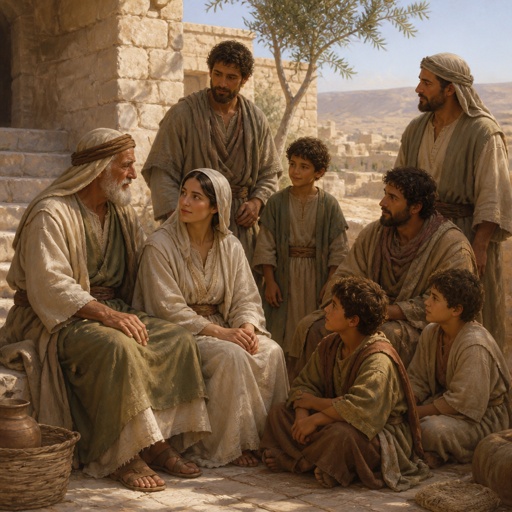
"She bare also Shaaph the father of Madmannah, Sheva the father of Machbenah, and the father of Gibea: and the daughter of Caleb was Achsa." - 1 Chronicles 2:49

1 Chronicles 1:15

1 Chronicles 1:15

Luke 1:49 - "For he that is mighty hath done to me great things; and holy is his name."

Psalms 49:1 - "Hear this, all ye people; give ear, all ye inhabitants of the world:"

1 Kings 8:49 - "Then hear thou their prayer and their supplication in heaven thy dwelling place, and maintain their cause,"

Lamentations 3:48-49 KJV Mine eye runneth down with rivers of water for the destruction of the daughter of my people. (49) Mine eye trickleth down, and ceaseth not, without any intermission,

1 Corinthians 15:49 - "And as we have borne the image of the earthy, we shall also bear the image of the heavenly."

1 Samuel 17:49 – "David reached into his bag and took out a stone; he slung it and struck the Philistine on the forehead."

1 Samuel 17:49 – "David reached into his bag and took out a stone; he slung it and struck the Philistine on the forehead."

1 Chronicles 1:1 - "Adam, Sheth, Enosh,"

Numbers 1:49 - "Only thou shalt not number the tribe of Levi, neither take the sum of them among the children of Israel:"

1 Chronicles 1:24 - "¶ Shem, Arphaxad, Shelah,"

1 Chronicles 1:3 - "Henoch, Methuselah, Lamech,"

1 Chronicles 1:2 - "Kenan, Mahalaleel, Jered,"

1 Samuel 17:49 – "David reached into his bag and took out a stone; he slung it and struck the Philistine on the forehead."