What does 1 Chronicles 1:38 mean?
"And the sons of Seir; Lotan, and Shobal, and Zibeon, and Anah, and Dishon, and Ezer, and Dishan." - 1 Chronicles 1:38
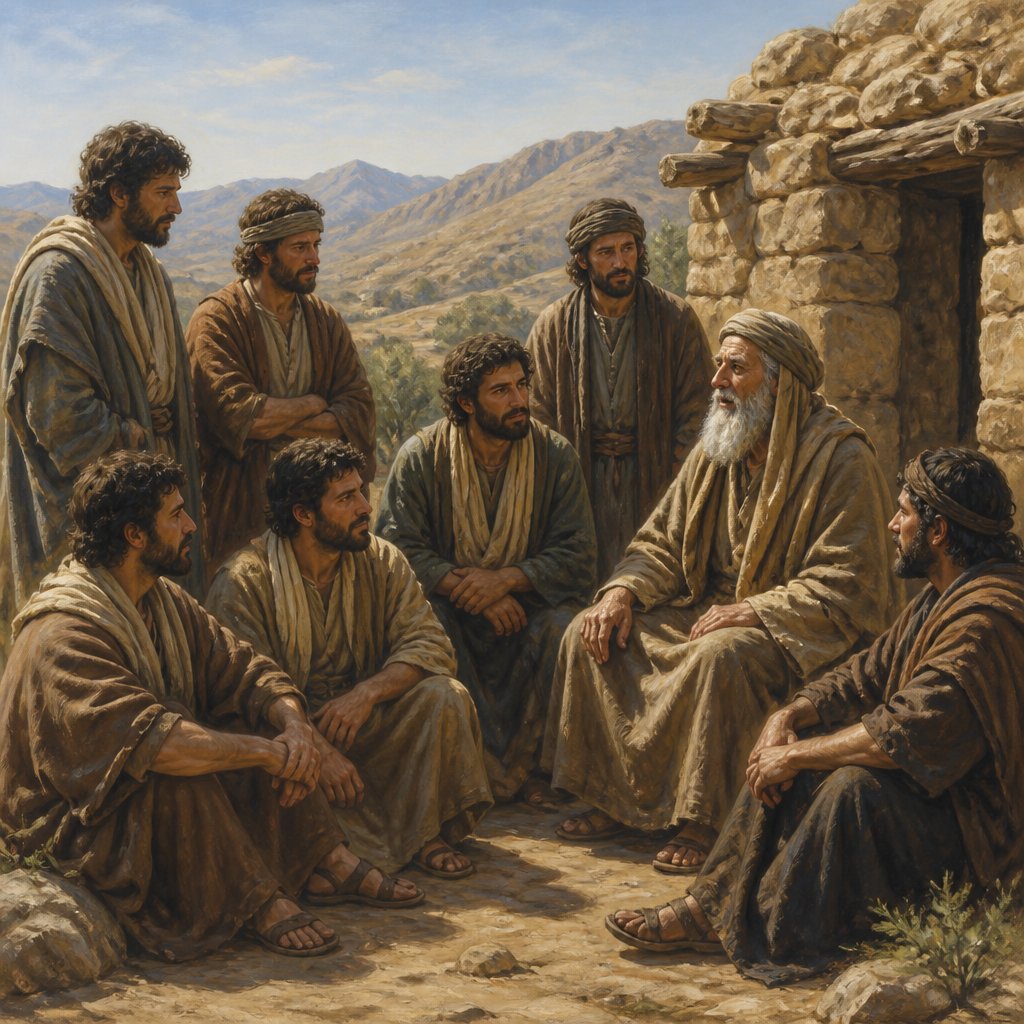
The Bible verse 1 Chronicles 1:38 in the King James Version states, "The sons of Seir; Lotan, and Shobal, and Zibeon, and Anah, and Dishon, and Ezer, and Dishan."
This verse is a part of the genealogy of Esau, the eldest son of Isaac and Rebekah, and the twin brother of Jacob. The genealogy of Esau is outlined in 1 Chronicles 1:35-54, and it demonstrates the fulfillment of God's promises to Abraham in Genesis 17:4-6, where God promises to make Abraham the father of many nations.
The verse specifically mentions the sons of Seir, who was a Horite and the original inhabitant of the land of Seir, which the descendants of Esau later conquered and settled in. The seven names mentioned in this verse are the sons of Seir and provide a glimpse into the lineage of the Horite people.
In the context of the larger passage, the genealogy of Esau serves several important purposes. Firstly, it establishes the historical and ancestral roots of the Edomites, who were the descendants of Esau. This genealogy is significant in tracing the lineage of the people and understanding their place in history. Additionally, it serves as a reminder of the faithfulness of God in fulfilling his promises to Abraham, Isaac, and Jacob.
The verse also holds symbolic significance within the broader narrative of the Bible. The mention of ancestral lineages and genealogies throughout the Bible underscores the importance of lineage and heritage in biblical times. Genealogies were used to establish a person's identity, inheritance, and position within the community. The genealogy of Esau not only reflects the fulfillment of God's promises but also emphasizes the significance of family and lineage in biblical narratives.
Furthermore, the genealogy of Esau also provides insight into the sovereignty of God and his plan for the nations. The names mentioned in this verse may seem obscure and insignificant to modern readers, but they represent real people who played a role in God's unfolding plan for his people. Each name is a part of the intricate tapestry of human history, and God's sovereignty is evident in the meticulous recording of these genealogies.
From a thematic perspective, this verse contributes to the overall theme of redemption and restoration in the Bible. The genealogy of Esau and the mention of the sons of Seir highlight God's faithfulness in fulfilling his promises and his ability to work through the complexities of human lineage and history to bring about his purposes.
In conclusion, 1 Chronicles 1:38 is a part of the genealogy of Esau, and it serves to establish the historical roots of the Edomites while also exemplifying God's faithfulness in fulfilling his promises. The verse highlights the significance of lineage and heritage in biblical narratives and underscores the sovereignty of God in his plan for the nations. Overall, this verse contributes to the broader themes of redemption and restoration in the Bible.
Have questions about 1 Chronicles 1:38?
Dive deeper into this scripture with Bible Chat — an AI-powered tool for exploring God's Word through conversation. Ask questions, get context, and grow in your understanding of the Bible.
Get Our Apps


1 Chronicles 1:38 Artwork

1 Chronicles 1:38 - "And the sons of Seir; Lotan, and Shobal, and Zibeon, and Anah, and Dishon, and Ezer, and Dishan."

"And the sons of Seir; Lotan, and Shobal, and Zibeon, and Anah, and Dishon, and Ezer, and Dishan." - 1 Chronicles 1:38

1 Chronicles 7:38 - "And the sons of Jether; Jephunneh, and Pispah, and Ara."

1 Chronicles 2:38 - "And Obed begat Jehu, and Jehu begat Azariah,"

1 Chronicles 11:38 - "Joel the brother of Nathan, Mibhar the son of Haggeri,"

1 Chronicles 6:38 - "The son of Izhar, the son of Kohath, the son of Levi, the son of Israel."

1 Chronicles 4:38 - "These mentioned by their names were princes in their families: and the house of their fathers increased greatly."

1 Chronicles 9:38 - "And Mikloth begat Shimeam. And they also dwelt with their brethren at Jerusalem, over against their brethren."

1 Chronicles 16:38 - "And Obed-edom with their brethren, threescore and eight; Obed-edom also the son of Jeduthun and Hosah to be porters:"

"And the sons of Jether; Jephunneh, and Pispah, and Ara." - 1 Chronicles 7:38

"Joel the brother of Nathan, Mibhar the son of Haggeri," - 1 Chronicles 11:38

"And Obed begat Jehu, and Jehu begat Azariah," - 1 Chronicles 2:38

1 Chronicles 8:38 - "And Azel had six sons, whose names are these, Azrikam, Bocheru, and Ishmael, and Sheariah, and Obadiah, and Hanan. All these were the sons of Azel."

"The son of Izhar, the son of Kohath, the son of Levi, the son of Israel." - 1 Chronicles 6:38

"These mentioned by their names were princes in their families: and the house of their fathers increased greatly." - 1 Chronicles 4:38

"And Mikloth begat Shimeam. And they also dwelt with their brethren at Jerusalem, over against their brethren." - 1 Chronicles 9:38

Jeremiah 38:1–13

Ezekiel 38:1-3

1 Chronicles 12:38 - "All these men of war, that could keep rank, came with a perfect heart to Hebron, to make David king over all Israel: and all the rest also of Israel were of one heart to make David king."

1 Kings 7:27-38

Job 38:1

John 7:38

Job 38:1

Numbers 32:38
"And Obed-edom with their brethren, threescore and eight; Obed-edom also the son of Jeduthun and Hosah to be porters:" - 1 Chronicles 16:38

Acts 2:38-41

Matthew 9:37-38

1 Chronicles 1:15

1 Chronicles 1:15

1 Samuel 17:38-40