What does 1 Chronicles 16:34 mean?
"O give thanks unto the LORD; for he is good; for his mercy endureth for ever." - 1 Chronicles 16:34
“**O give thanks unto the LORD; for he is good; for his mercy endureth for ever.**” (1 Chronicles 16:34, KJV) is a call to worship that gathers the whole posture of biblical faith into one sentence: gratitude offered to the LORD, grounded in his unchanging character, and sustained by the certainty that his “mercy” does not run out.
In its immediate setting, this verse stands inside a public act of celebration and ordered worship. First Chronicles 16 records the bringing of the ark of God into its place in Jerusalem, a moment that signified the LORD’s gracious nearness to his people and the proper re-centering of national life around him. David’s song of thanksgiving is appointed to be sung in the hearing of the congregation, and verse 34 is not a private sentiment but a liturgical summons. The people are being taught what to say to God and why to say it: their worship is to begin with thanks, because the LORD has shown himself “good,” and because what he gives from his heart—his mercy—continues without end.
The verse is built on two reasons that support the command to “give thanks.” The first is simple and foundational: “for he is good.” In KJV language, God’s goodness is not merely that he does good things, but that he is good in himself. His acts toward Israel, including bringing the ark, preserving them, and establishing the king, flow from what he is, not from what they deserve. This is important in the Chronicler’s context, because 1 Chronicles is deeply concerned with the right ordering of worship and the faithfulness of God across generations. By rooting praise in the LORD’s goodness, the verse directs the heart away from changing circumstances and toward the steady character of God.
The second reason deepens the first: “for his mercy endureth for ever.” The KJV word “mercy” here carries the weight of God’s covenant love—his steadfast kindness, his faithful compassion, his committed favor toward his people. It is mercy that forgives, mercy that bears with weakness, mercy that restores, and mercy that continues when human faithfulness fails. In the storyline surrounding the ark, this is especially significant. The ark was the visible sign of God’s covenant presence; it was associated with holiness, judgment, and reverence, but also with atonement and communion. To proclaim that his “mercy endureth for ever” in the very context of the ark’s arrival is to confess that the Holy One who must be approached rightly is also the One who persists in covenant compassion. The enduring nature of this mercy—“for ever”—adds a sense of permanence. It declares that God’s covenant-kindness is not seasonal, not fragile, and not dependent on the moment; it remains.
As a piece of worship language, the verse also carries the theme of memory and testimony. Thanksgiving in Scripture is not vague optimism; it is the practiced remembrance of who the LORD has revealed himself to be. The line is shaped to be repeated, sung, and learned, so that a community can hold onto truth together. In 1 Chronicles 16 it functions like a refrain that anchors the broader song, which celebrates God’s works, calls the nations to recognize his glory, and invites all creation to rejoice. By placing this sentence in the mouth of the worshippers, the text teaches that praise is most stable when it is tied to God’s character and covenant mercy rather than to the rise and fall of human events.
Symbolically, the verse stands at the meeting point of kingship, sanctuary, and covenant. David’s reign is being framed not merely as political success but as worship rightly centered on the LORD. The ark’s placement signifies ordered approach to God, and the people’s thanksgiving signifies the right response to that divine nearness. “Give thanks” is therefore not an accessory to the scene; it is the proper spiritual action when God draws near and establishes his worship among his people.
The significance of 1 Chronicles 16:34, then, is that it compresses an entire theology of worship into a single, enduring confession. God is thanked because he is good. He is trusted because his mercy does not end. In the midst of Israel’s celebration, it teaches that the deepest reason for praise is not merely a gift received, but the Giver’s unchanging goodness and everlasting mercy.
Have questions about 1 Chronicles 16:34?
Dive deeper into this scripture with Bible Chat — an AI-powered tool for exploring God's Word through conversation. Ask questions, get context, and grow in your understanding of the Bible.
Get Our Apps


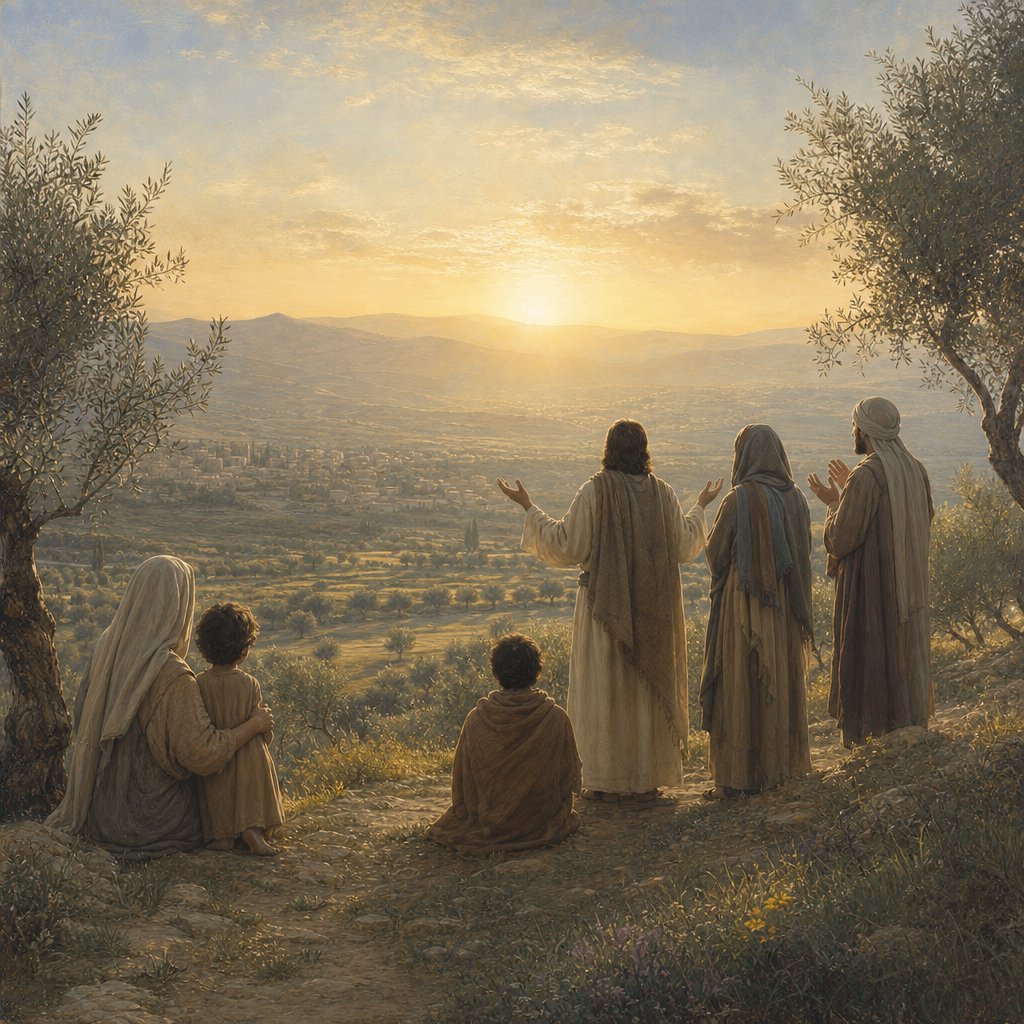
1 Chronicles 16:34 Artwork

1 Chronicles 16:34 - "O give thanks unto the LORD; for he is good; for his mercy endureth for ever."

"O give thanks unto the LORD; for he is good; for his mercy endureth for ever." - 1 Chronicles 16:34

"O give thanks unto the LORD; for he is good; for his mercy endureth for ever." - 1 Chronicles 16:34

1 Chronicles 1:34 - "And Abraham begat Isaac. The sons of Isaac; Esau and Israel."

1 Chronicles 4:34 - "And Meshobab, and Jamlech, and Joshah the son of Amaziah,"

2 Chronicles 34:16 - "And Shaphan carried the book to the king, and brought the king word back again, saying, All that was committed to thy servants, they do it."

1 Chronicles 7:34 - "And the sons of Shamer; Ahi, and Rohgah, Jehubbah, and Aram."

1 Chronicles 11:34 - "The sons of Hashem the Gizonite, Jonathan the son of Shage the Hararite,"

1 Chronicles 6:34 - "The son of Elkanah, the son of Jeroham, the son of Eliel, the son of Toah,"

1 Chronicles 8:34 - "And the son of Jonathan was Merib-baal; and Merib-baal begat Micah."

1 Chronicles 9:34 - "These chief fathers of the Levites were chief throughout their generations; these dwelt at Jerusalem."

1 Chronicles 12:34 - "And of Naphtali a thousand captains, and with them with shield and spear thirty and seven thousand."

1 Chronicles 27:34 - "And after Ahithophel was Jehoiada the son of Benaiah, and Abiathar: and the general of the king's army was Joab."

1 Chronicles 1:16 - "And the Arvadite, and the Zemarite, and the Hamathite."

1 Chronicles 2:34 - "¶ Now Sheshan had no sons, but daughters. And Sheshan had a servant, an Egyptian, whose name was Jarha."

1 Chronicles 16:16 - "Even of the covenant which he made with Abraham, and of his oath unto Isaac;"

2 Chronicles 34:1 - "Josiah was eight years old when he began to reign, and he reigned in Jerusalem one and thirty years."

"And Abraham begat Isaac. The sons of Isaac; Esau and Israel." - 1 Chronicles 1:34

"And Meshobab, and Jamlech, and Joshah the son of Amaziah," - 1 Chronicles 4:34

1 Chronicles 24:16 - "The nineteenth to Pethahiah, the twentieth to Jehezekel,"

1 Chronicles 23:16 - "Of the sons of Gershom, Shebuel was the chief."

"And the sons of Shamer; Ahi, and Rohgah, Jehubbah, and Aram." - 1 Chronicles 7:34

1 Chronicles 6:16 - "¶ The sons of Levi; Gershom, Kohath, and Merari."

1 Chronicles 8:16 - "And Michael, and Ispah, and Joha, the sons of Beriah;"

"And the Arvadite, and the Zemarite, and the Hamathite." - 1 Chronicles 1:16

1 Chronicles 11:16 - "And David was then in the hold, and the Philistines' garrison was then at Beth-lehem."

1 Chronicles 4:16 - "And the sons of Jehaleleel; Ziph, and Ziphah, Tiria, and Asareel."

1 Chronicles 16:19 - "When ye were but few, even a few, and strangers in it."

"The sons of Hashem the Gizonite, Jonathan the son of Shage the Hararite," - 1 Chronicles 11:34

1 Chronicles 12:16 - "And there came of the children of Benjamin and Judah to the hold unto David."