What does 1 Chronicles 16:12 mean?
"Remember his marvellous works that he hath done, his wonders, and the judgments of his mouth;" - 1 Chronicles 16:12
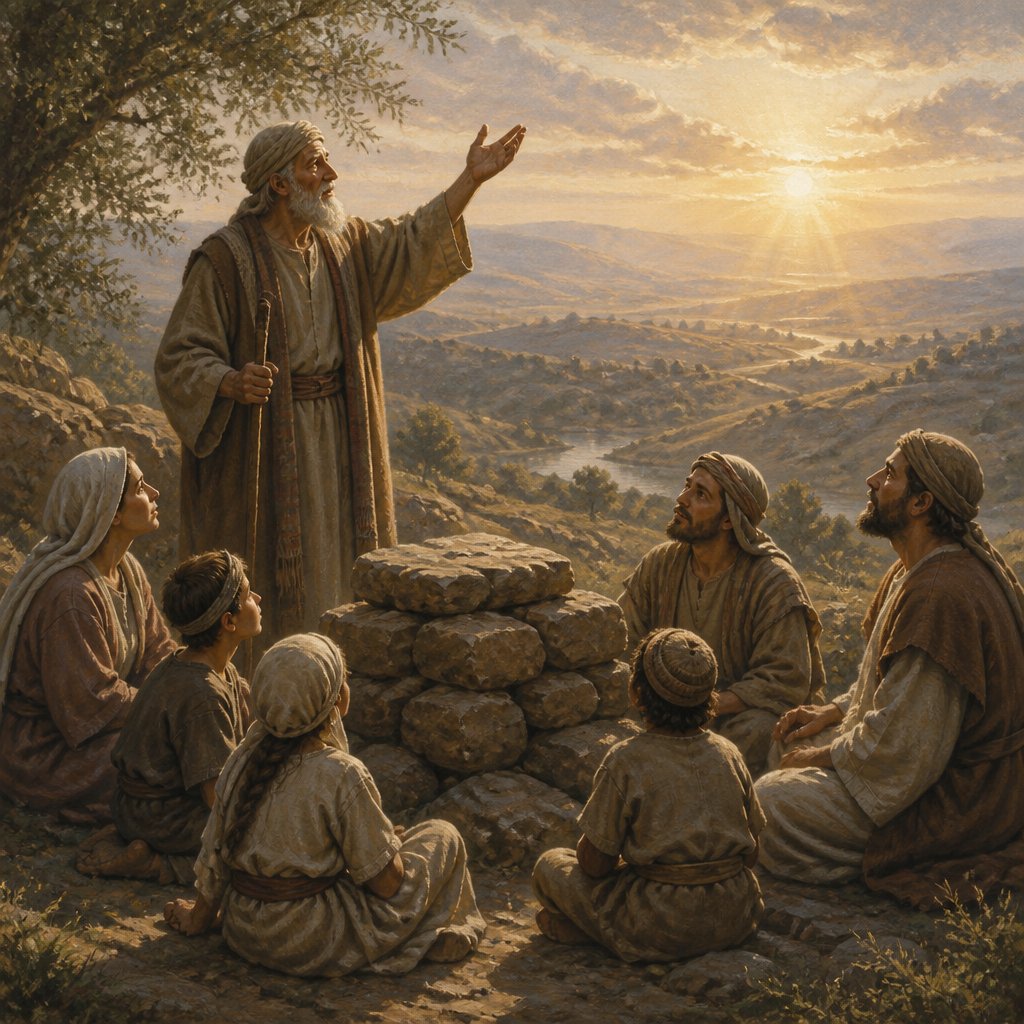
The verse 1 Chronicles 16:12 from the King James Version of the Bible reads, "Remember his marvellous works that he hath done, his wonders, and the judgments of his mouth." This verse is part of a song of thanksgiving and praise that was sung by King David after the Ark of the Covenant was brought to Jerusalem. In this verse, David encourages the people to remember the amazing things that God has done, including his wondrous works and the judgments he has spoken.
The theme of remembrance is central to this verse. David is urging the people to recall the marvelous works and wonders that God has performed. This theme of remembrance is common throughout the Bible, as it serves as a way for believers to recall and reflect on God's faithfulness and power. By remembering God's past acts, individuals can find reassurance in times of difficulty and uncertainty. This verse emphasizes the importance of not only acknowledging God's works but also remembering them in order to strengthen one's faith and trust in him.
Another theme present in this verse is the concept of God's judgment. David references "the judgments of his mouth," which can be interpreted as the divine decrees and commands issued by God. The word "judgment" in this context refers to God's righteous decisions and pronouncements. This theme underscores the belief that God is the ultimate authority and judge, and his judgments are just and perfect. By acknowledging God's judgments, believers are reminded of his sovereignty and the importance of aligning their lives with his will.
The verse also emphasizes the miraculous nature of God's works and wonders. The term "marvelous works" alludes to the extraordinary and awe-inspiring actions that God has performed throughout history. These works are a testament to God's power, creativity, and goodness. The word "wonders" further underscores the supernatural and inexplicable nature of God's actions. By acknowledging these wonders, believers are encouraged to have a sense of wonder and amazement at the majesty of God.
In addition to these themes, there is also a sense of gratitude and praise expressed in this verse. The song of thanksgiving that David leads is a celebration of God's faithfulness and provision. By remembering and acknowledging God's marvelous works and wonders, the people are expressing their gratitude for all that God has done for them. This verse serves as a reminder to continually give thanks to God for his blessings and to praise him for his greatness.
Symbolism is also present in this verse, particularly in the references to God's judgments. The concept of God speaking through his judgments symbolizes his authority and wisdom. It suggests that God's word is the ultimate truth and that his decrees have a profound impact on the lives of believers. The use of the term "marvelous works" and "wonders" symbolizes the supernatural and transcendent nature of God's actions. These terms convey a sense of awe and reverence for God's miraculous interventions in the world.
In conclusion, 1 Chronicles 16:12 is a verse that encourages believers to remember and reflect on God's marvelous works, wonders, and judgments. It underscores the themes of remembrance, gratitude, and praise, while also emphasizing the miraculous nature of God's actions. The verse serves as a reminder of the importance of acknowledging God's sovereignty, expressing gratitude for his blessings, and marveling at his wondrous works. Ultimately, it is a call to continually remember and appreciate the greatness of God.
Have questions about 1 Chronicles 16:12?
Dive deeper into this scripture with Bible Chat — an AI-powered tool for exploring God's Word through conversation. Ask questions, get context, and grow in your understanding of the Bible.
Get Our Apps


1 Chronicles 16:12 Artwork
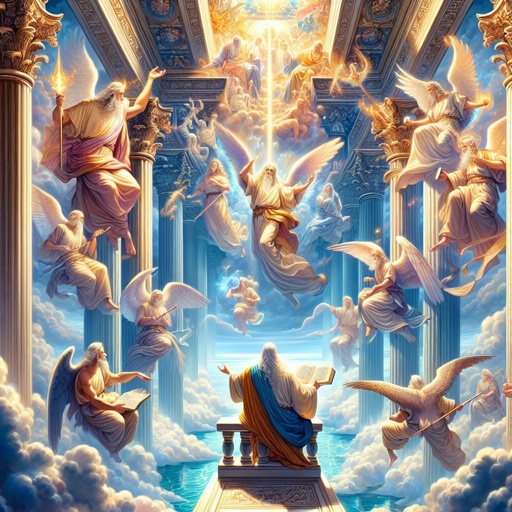
1 Chronicles 16:12 - "Remember his marvellous works that he hath done, his wonders, and the judgments of his mouth;"
"Remember his marvellous works that he hath done, his wonders, and the judgments of his mouth;" - 1 Chronicles 16:12

1 Chronicles 12:16 - "And there came of the children of Benjamin and Judah to the hold unto David."
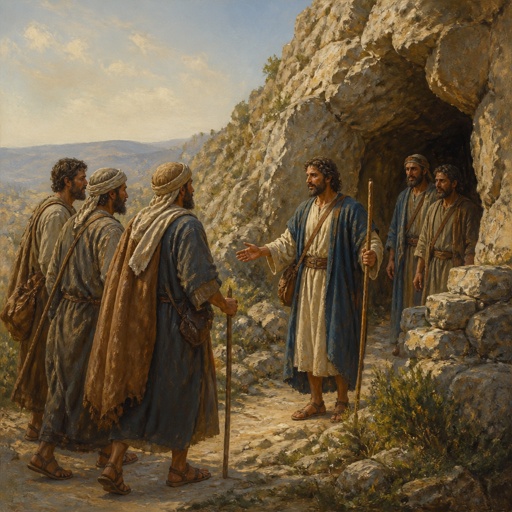
"And there came of the children of Benjamin and Judah to the hold unto David." - 1 Chronicles 12:16

1 Chronicles 1:16 - "And the Arvadite, and the Zemarite, and the Hamathite."

1 Chronicles 12:12 - "Johanan the eighth, Elzabad the ninth,"

1 Chronicles 16:16 - "Even of the covenant which he made with Abraham, and of his oath unto Isaac;"

2 Chronicles 12:16 - "And Rehoboam slept with his fathers, and was buried in the city of David: and Abijah his son reigned in his stead."

1 Chronicles 1:12 - "And Pathrusim, and Casluhim, (of whom came the Philistines,) and Caphthorim."

1 chronicles 12:8

1 Chronicles 24:16 - "The nineteenth to Pethahiah, the twentieth to Jehezekel,"

1 Chronicles 23:16 - "Of the sons of Gershom, Shebuel was the chief."

1 Chronicles 6:16 - "¶ The sons of Levi; Gershom, Kohath, and Merari."

1 Chronicles 8:16 - "And Michael, and Ispah, and Joha, the sons of Beriah;"

Joshua 1:12-16

Joshua 1:12-16

Revelation 1:12-16

1 Chronicles 12:11 - "Attai the sixth, Eliel the seventh,"

"And the Arvadite, and the Zemarite, and the Hamathite." - 1 Chronicles 1:16

1 Chronicles 12:10 - "Mishmannah the fourth, Jeremiah the fifth,"

1 Chronicles 12:13 - "Jeremiah the tenth, Machbanai the eleventh."

1 Chronicles 24:12 - "The eleventh to Eliashib, the twelfth to Jakim,"

1 Chronicles 11:16 - "And David was then in the hold, and the Philistines' garrison was then at Beth-lehem."

Revelation 1:12-16

1 Chronicles 4:16 - "And the sons of Jehaleleel; Ziph, and Ziphah, Tiria, and Asareel."

"Johanan the eighth, Elzabad the ninth," - 1 Chronicles 12:12

1 Chronicles 12:7 - "And Joelah, and Zebadiah, the sons of Jeroham of Gedor."

1 Chronicles 16:19 - "When ye were but few, even a few, and strangers in it."

1 Chronicles 16:26 - "For all the gods of the people are idols: but the LORD made the heavens."

1 Chronicles 6:12 - "And Ahitub begat Zadok, and Zadok begat Shallum,"