What does 1 Chronicles 11:30 mean?
"Maharai the Netophathite, Heled the son of Baanah the Netophathite," - 1 Chronicles 11:30
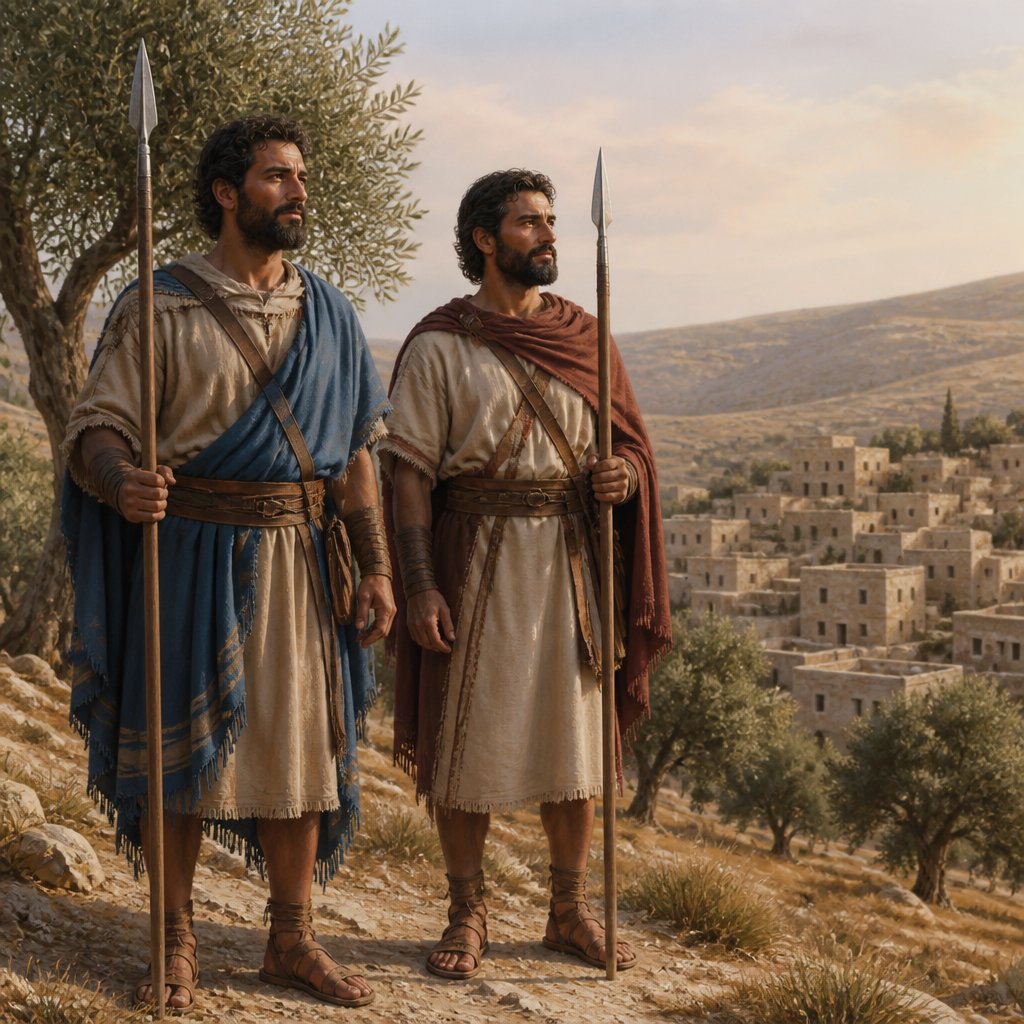
1 Chronicles 11:30 (KJV) - "Maharai the Netophathite, Heled the son of Baanah the Netophathite,"
This verse is part of a larger passage that lists the names of David's mighty men. These were men who served as David's chief warriors and who were known for their exceptional bravery and loyalty to their king. The context of this verse is important in understanding its significance and the larger message it conveys within the biblical narrative.
The book of 1 Chronicles is a historical account that traces the lineage of the Israelite people, particularly focusing on the reign of King David and the establishment of the Davidic dynasty. The passage in which this verse appears is specifically centered on the account of David's mighty men, who were instrumental in securing and expanding the kingdom of Israel during David's reign.
In terms of themes, the verse reflects the importance of loyalty, courage, and military prowess in the context of ancient Israelite society. The mention of these specific individuals highlights their significance within the larger narrative of David's reign and the kingdom of Israel. Additionally, the emphasis on the "Netophathite" lineage serves to underscore the diverse backgrounds of David's mighty men, further illustrating the inclusivity of the Israelite kingdom under David's rule.
Symbolically, the verse can be seen as representing the strength and unity of the Israelite kingdom under the leadership of David. The mention of these mighty men is a testament to their valor and unwavering commitment to David, which in turn reflects the larger theme of divine providence and the establishment of a strong and righteous kingdom under David's rule.
Furthermore, this verse serves as a reminder of the human element within biblical narratives. By listing the names of these mighty men, the passage personalizes the historical account and emphasizes the individual contributions of these courageous warriors to the larger story of the Israelite kingdom. In doing so, it conveys the idea that even within the grand scope of biblical history, the actions of individual people can have a significant impact on the course of events.
While the verse may appear to be a simple listing of names, its significance lies in its contribution to the overall narrative of David's reign and the kingdom of Israel. It serves as a reminder of the importance of bravery, loyalty, and unity in the face of adversity, and it highlights the individual stories of those who played a crucial role in shaping the destiny of the Israelite nation.
In conclusion, 1 Chronicles 11:30 (KJV) holds both historical and symbolic significance within the larger biblical narrative. It highlights the bravery and loyalty of David's mighty men and emphasizes the diverse backgrounds of those who served in positions of honor and responsibility within the kingdom of Israel. The verse ultimately underscores the central themes of loyalty, courage, and divine providence, and serves as a testament to the individual contributions of those who played a crucial role in shaping the destiny of the Israelite nation under the reign of King David.
Have questions about 1 Chronicles 11:30?
Dive deeper into this scripture with Bible Chat — an AI-powered tool for exploring God's Word through conversation. Ask questions, get context, and grow in your understanding of the Bible.
Get Our Apps


1 Chronicles 11:30 Artwork

1 Chronicles 11:30 - "Maharai the Netophathite, Heled the son of Baanah the Netophathite,"

"Maharai the Netophathite, Heled the son of Baanah the Netophathite," - 1 Chronicles 11:30

2 Chronicles 30:11 - "Nevertheless divers of Asher and Manasseh and of Zebulun humbled themselves, and came to Jerusalem."

1 Chronicles 1:30 - "Mishma, and Dumah, Massa, Hadad, and Tema,"

1 Chronicles 4:30 - "And at Bethuel, and at Hormah, and at Ziklag,"

Psalm 30:11

1 Chronicles 9:30 - "And some of the sons of the priests made the ointment of the spices."

1 Kings 11:30-31

1 Kings 11:30-31

1 Kings 11:30-31

1 Chronicles 23:30 - "And to stand every morning to thank and praise the LORD, and likewise at even;"

1 Chronicles 7:30 - "The sons of Asher; Imnah, and Isuah, and Ishuai, and Beriah, and Serah their sister."

1 Chronicles 8:30 - "And his firstborn son Abdon, and Zur, and Kish, and Baal, and Nadab,"

1 Chronicles 2:30 - "And the sons of Nadab; Seled, and Appaim: but Seled died without children."

1 Chronicles 27:30 - "Over the camels also was Obil the Ishmaelite: and over the asses was Jehdeiah the Meronothite:"

1 Chronicles 6:30 - "Shimea his son, Haggiah his son, Asaiah his son."

"And at Bethuel, and at Hormah, and at Ziklag," - 1 Chronicles 4:30

"Mishma, and Dumah, Massa, Hadad, and Tema," - 1 Chronicles 1:30

1 Chronicles 16:30 - "Fear before him, all the earth: the world also shall be stable, that it be not moved."

1 Chronicles 25:30 - "The three and twentieth to Mahazioth, he, his sons, and his brethren, were twelve:"

1 Corinthians 11:30 - "For this cause many are weak and sickly among you, and many sleep."

1 Kings 11:30 - "And Ahijah caught the new garment that was on him, and rent it in twelve pieces:"

1 Chronicles 1:11 - "And Mizraim begat Ludim, and Anamim, and Lehabim, and Naphtuhim,"

The Plague on the Firstborn - Exodus 11, 12:1-30

The Plague on the Firstborn - Exodus 11, 12:1-30

1 Chronicles 21:30 - "But David could not go before it to enquire of God: for he was afraid because of the sword of the angel of the LORD."

1 Chronicles 24:30 - "The sons also of Mushi; Mahli, and Eder, and Jerimoth. These were the sons of the Levites after the house of their fathers."
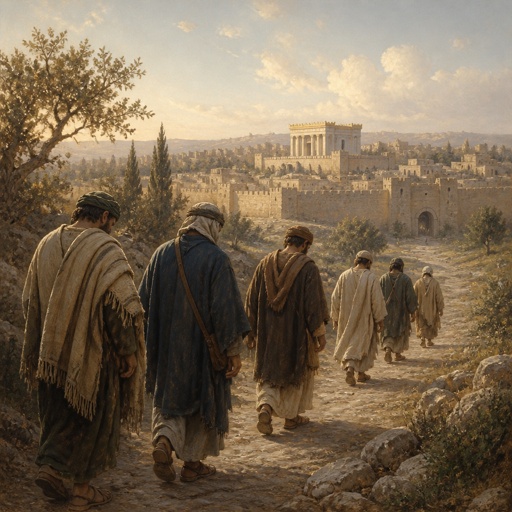
"Nevertheless divers of Asher and Manasseh and of Zebulun humbled themselves, and came to Jerusalem." - 2 Chronicles 30:11

1 Chronicles 11:29 - "Sibbecai the Hushathite, Ilai the Ahohite,"

1 Chronicles 12:11 - "Attai the sixth, Eliel the seventh,"