What does 1 Chronicles 10:7 mean?
"And when all the men of Israel that were in the valley saw that they fled, and that Saul and his sons were dead, then they forsook their cities, and fled: and the Philistines came and dwelt in them." - 1 Chronicles 10:7
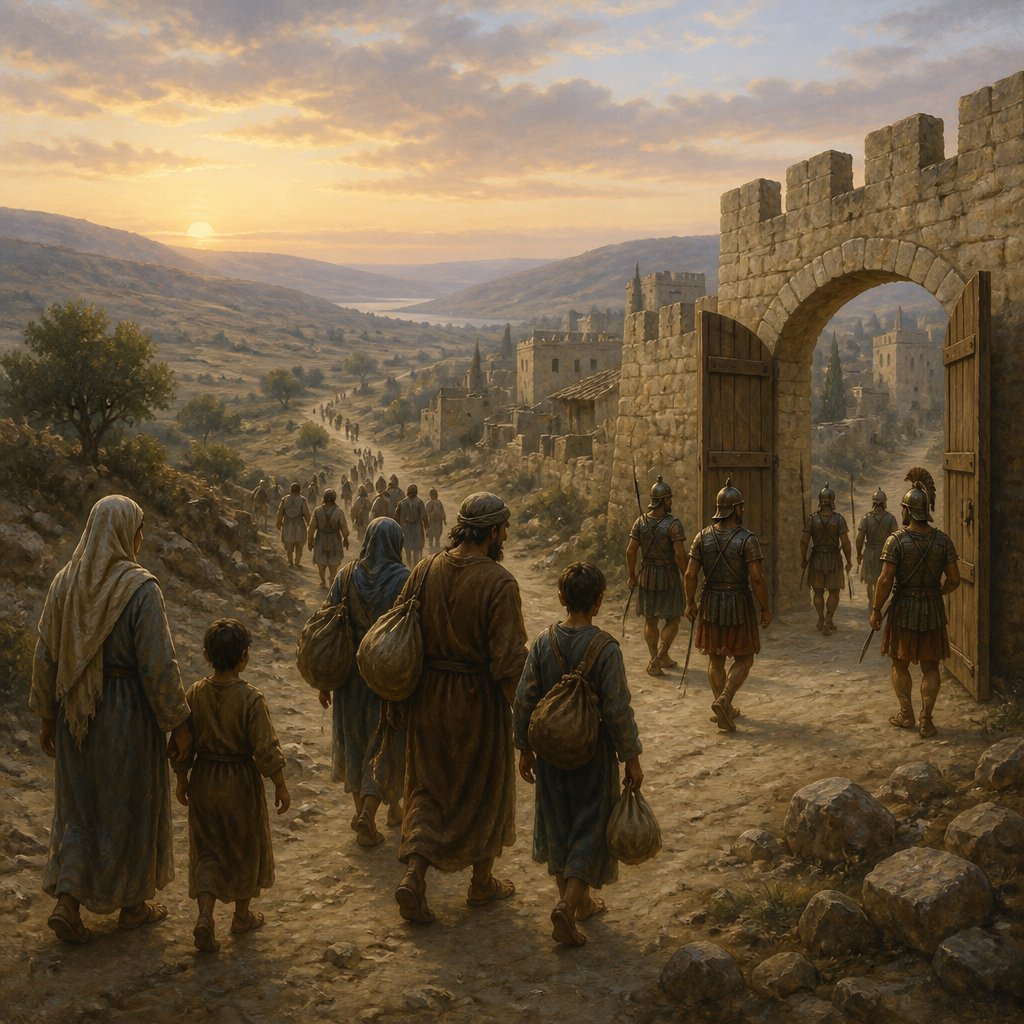
1 Chronicles 10:7 (KJV) states, "And when all the men of Israel that were in the valley saw that they fled, and that Saul and his sons were dead, then they forsook their cities, and fled: and the Philistines came and dwelt in them." This verse is part of the larger narrative of the death of King Saul and his sons at the hands of the Philistines. To fully understand the meaning and commentary of this verse, it is important to examine the themes, context, and symbolism within the broader context of the book of 1 Chronicles and the Bible as a whole.
The book of 1 Chronicles is a historical account of the lineage of the Israelites, tracing their origins from Adam to the return from the Babylonian exile. It also serves as a record of the reign of King David and his descendants. This particular verse is an account of the downfall of King Saul, the first king of Israel. It reflects the consequences of Saul's disobedience to God and the subsequent loss of the kingdom to the Philistines.
The verse begins with the men of Israel in the valley witnessing the defeat and death of Saul and his sons. This event marks a significant turning point in the history of Israel, as it signals the fall of the ruling monarchy and the rise of the Philistines as the occupying force in the land. The impact of this defeat is profound, as it leads the Israelites to forsake their cities and flee in fear of the Philistines.
One of the central themes of this verse is the consequences of disobedience and the judgement of God. Throughout the Bible, the Israelites are repeatedly called to obey God's commands and follow His will. The story of Saul's downfall serves as a cautionary tale, illustrating the severe consequences that can result from disobedience and rebellion against God. The Israelites' abandonment of their cities in the face of the Philistine threat serves as a tangible representation of the fallout from Saul's actions. This theme underscores the importance of faithfulness and obedience to God in the biblical narrative.
Furthermore, the verse emphasizes the sovereignty of God and His ultimate control over the affairs of humanity. The defeat of Saul and the Israelites at the hands of the Philistines is a demonstration of God's judgement and His allowance of the consequences of their actions. The subsequent occupation of the cities by the Philistines reflects God's authority in determining the fate of nations and their rulers.
Symbolism also plays a significant role in this verse. The valley, where the men of Israel witness the defeat of Saul and his sons, can be seen as a representation of the low point or defeat of the Israelites. It serves as a metaphor for the despair and hopelessness that accompany the loss of leadership and the threat of foreign domination. The forsaking of their cities symbolizes the abandonment of their heritage and the relinquishing of their claim to the Promised Land.
In conclusion, 1 Chronicles 10:7 is a verse that encapsulates the themes of obedience, judgement, and sovereignty within the broader context of the biblical narrative. It serves as a cautionary tale of the consequences of disobedience and rebellion against God, while also underscoring His ultimate control over the affairs of humanity. The symbolism within the verse adds depth and meaning, highlighting the profound impact of Saul's downfall on the Israelites. Overall, this verse offers a poignant reflection on the ramifications of faithfulness and the enduring consequences of disobedience.
Have questions about 1 Chronicles 10:7?
Dive deeper into this scripture with Bible Chat — an AI-powered tool for exploring God's Word through conversation. Ask questions, get context, and grow in your understanding of the Bible.
Get Our Apps


1 Chronicles 10:7 Artwork

1 Chronicles 10:7 - "And when all the men of Israel that were in the valley saw that they fled, and that Saul and his sons were dead, then they forsook their cities, and fled: and the Philistines came and dwelt in them."
"And when all the men of Israel that were in the valley saw that they fled, and that Saul and his sons were dead, then they forsook their cities, and fled: and the Philistines came and dwelt in them." - 1 Chronicles 10:7

1 Chronicles 7:10 - "The sons also of Jediael; Bilhan: and the sons of Bilhan; Jeush, and Benjamin, and Ehud, and Chenaanah, and Zethan, and Tharshish, and Ahishahar."

2 Chronicles 10:7 - "And they spake unto him, saying, If thou be kind to this people, and please them, and speak good words to them, they will be thy servants for ever."

1 Chronicles 4 : 10

1 Chronicles 1:7 - "And the sons of Javan; Elishah, and Tarshish, Kittim, and Dodanim."

1 Chronicles 10:10 - "And they put his armour in the house of their gods, and fastened his head in the temple of Dagon."

1 Chronicles 14:7 - "And Elishama, and Beeliada, and Eliphalet."

1 Chronicles 3:7 - "And Nogah, and Nepheg, and Japhia,"

1 Chronicles 9:10 - "¶ And of the priests; Jedaiah, and Jehoiarib, and Jachin,"

1 Chronicles 1:10 - "And Cush begat Nimrod: he began to be mighty upon the earth."

1 Chronicles 12:10 - "Mishmannah the fourth, Jeremiah the fifth,"

1 Chronicles 24:10 - "The seventh to Hakkoz, the eighth to Abijah,"

1 Chronicles 10:6 - "So Saul died, and his three sons, and all his house died together."

1 Chronicles 23:7 - "¶ Of the Gershonites were, Laadan, and Shimei."
"The sons also of Jediael; Bilhan: and the sons of Bilhan; Jeush, and Benjamin, and Ehud, and Chenaanah, and Zethan, and Tharshish, and Ahishahar." - 1 Chronicles 7:10

1 Chronicles 7:39 - "And the sons of Ulla; Arah, and Haniel, and Rezia."

1 Chronicles 7:38 - "And the sons of Jether; Jephunneh, and Pispah, and Ara."

1 Chronicles 12:7 - "And Joelah, and Zebadiah, the sons of Jeroham of Gedor."

Exodus 7:10

1 Chronicles 7:1 - "Now the sons of Issachar were, Tola, and Puah, Jashub, and Shimron, four."

1 Chronicles 10:11 - "¶ And when all Jabesh-gilead heard all that the Philistines had done to Saul,"

1 Chronicles 7:6 - "¶ The sons of Benjamin; Bela, and Becher, and Jediael, three."

1 Chronicles 7:34 - "And the sons of Shamer; Ahi, and Rohgah, Jehubbah, and Aram."

1 Chronicles 4:7 - "And the sons of Helah were, Zereth, and Jezoar, and Ethnan."

1 Chronicles 6:7 - "Meraioth begat Amariah, and Amariah begat Ahitub,"

1 Chronicles 7:37 - "Bezer, and Hod, and Shamma, and Shilshah, and Ithran, and Beera."

1 Chronicles 7:27 - "Non his son, Jehoshua his son."

Daniel 7: 9-10

Daniel 7:9-10