The Heart of Mourning: Understanding Our Seasons of Grief
"And to speak unto the priests which were in the house of the LORD of hosts, and to the prophets, saying, Should I weep in the fifth month, separating myself, as I have done these so many years?" - Zechariah 7:3
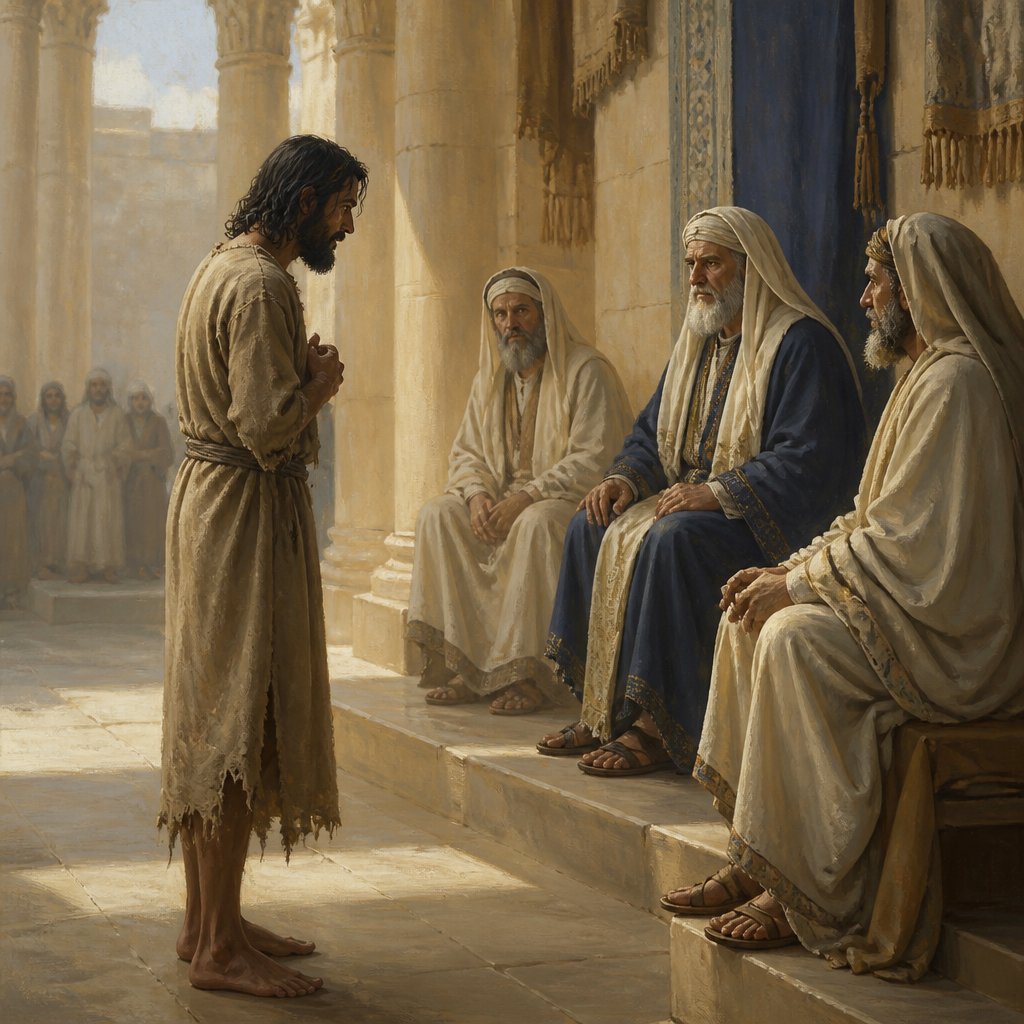
In Zechariah 7:3, the text reads, "And to speak unto the priests which were in the house of the LORD of hosts, and to the prophets, saying, Should I weep in the fifth month, separating myself, as I have done these so many years?" This verse holds a profound inquiry that resonates deeply with the human experience of mourning and reflection on grief. Today, let's delve into the emotions that come with this profound question and explore how it relates to our relationship with God and the practices of our faith.
The fifth month in the Israelite calendar is notable for containing significant calamities, particularly the mourning for the destruction of Jerusalem and the First Temple. For years, the people had set aside this time to grieve, to weep, and to remember their past sorrows and losses. But here, we are confronted with a provocative question: Should I continue to mourn as I have done? This inquiry coming from the heart of the people reflects a deeper spiritual wrestling that many of us contend with when facing our practices of faith amidst changing circumstances.
Mourning is a universal experience; it is as old as humanity itself. Whether mourning the loss of a loved one or the brokenness of dreams and hopes, the instinct to grieve is deeply embedded in our being. Yet, tied to our grief, is the question of its purpose. In this case, the people of Israel grappled with the meaning behind their observances. Were their forms of mourning still relevant? Were they merely rituals that had lost their transformative power? In similar fashion, we must consider our seasonal traditions and practices that shoot up in our spiritual lives: are they serving their intended purpose of drawing us closer to God, or have they become mere patterns of behavior devoid of genuine meaning?
As Christians, we often find ourselves in seasons of grief and questioning. Divorce, loss of employment, death of friends and family, and even the spiritual dry spells can prompt us to seek God in new ways. In those moments, we might resonate with the weariness that comes from repeated acts of mourning—asking ourselves, as the Israelites did, if our grief is still warranted or perhaps even productive.
God invites us to a place of introspection. Separating oneself to weep can be a necessary act, but God also calls us to heal and find joy in the midst of our mourning. In the New Testament, we find insights from Jesus who said in Matthew 5:4, "Blessed are they that mourn: for they shall be comforted." Here, Jesus reframes mourning as not just an act of sorrow but as a prelude to comfort and healing. Mourning aligns us with an experience where God’s grace can intervene, leading us to the joy that comes after trials because it offers a glimmer of hope that His presence turns our weeping into dancing (Psalm 30:11).
As we reflect on Zechariah's words, it becomes clear that God desires our hearts—our genuine emotions rather than mere ritual. Our seasons of grief serve a purpose; they draw us into deeper communion with God. They enable us to experience His comfort and restoration. In grieving authentically, we are reminded not only of our weaknesses but of His strength that upholds us.
In conclusion, let us approach God with a heart that is willing to grapple with our emotions. As we consider the purpose of our mourning, let us be reminded not to despise our seasons of trial. Instead, embrace them as an opportunity to discover His unfailing love and the hope that comes from transformation. Let our weeping pave the way for joy, and may we always remember, as Paul encourages in Romans 12:15, to rejoice with those who rejoice, and weep with those who weep. Thus, our grieving becomes a sacred space for God’s healing touch.
Want to reflect more on Zechariah 7:3?
Continue your spiritual journey with Bible Chat — an AI-powered tool for exploring God's Word through conversation. Ask questions, discover connections, and deepen your understanding.
Get Our Apps


Zechariah 7:3 Artwork

Zechariah 7:3 - "And to speak unto the priests which were in the house of the LORD of hosts, and to the prophets, saying, Should I weep in the fifth month, separating myself, as I have done these so many years?"
"And to speak unto the priests which were in the house of the LORD of hosts, and to the prophets, saying, Should I weep in the fifth month, separating myself, as I have done these so many years?" - Zechariah 7:3

Zechariah 7:8 - "¶ And the word of the LORD came unto Zechariah, saying,"

Zechariah 3:3

Zechariah 13:7

"¶ And the word of the LORD came unto Zechariah, saying," - Zechariah 7:8

Zechariah 4:3

Zechariah 7:1 - "And it came to pass in the fourth year of king Darius, that the word of the LORD came unto Zechariah in the fourth day of the ninth month, even in Chisleu;"

Zechariah 3:3 - "Now Joshua was clothed with filthy garments, and stood before the angel."

Zechariah 3:6 - "And the angel of the LORD protested unto Joshua, saying,"

Zechariah 7:4 - "¶ Then came the word of the LORD of hosts unto me, saying,"

Zechariah 2:7 - "Deliver thyself, O Zion, that dwellest with the daughter of Babylon."

Zechariah 1:7 - "¶ Upon the four and twentieth day of the eleventh month, which is the month Sebat, in the second year of Darius, came the word of the LORD unto Zechariah, the son of Berechiah, the son of Iddo the prophet, saying,"

Zechariah 3:7 - "Thus saith the LORD of hosts; If thou wilt walk in my ways, and if thou wilt keep my charge, then thou shalt also judge my house, and shalt also keep my courts, and I will give thee places to walk among these that stand by."

Zechariah 7:11 - "But they refused to hearken, and pulled away the shoulder, and stopped their ears, that they should not hear."

Zechariah 5:7 - "And, behold, there was lifted up a talent of lead: and this is a woman that sitteth in the midst of the ephah."

Zechariah 6:3 - "And in the third chariot white horses; and in the fourth chariot grisled and bay horses."

1 Chronicles 5:7 - "And his brethren by their families, when the genealogy of their generations was reckoned, were the chief, Jeiel, and Zechariah,"

Zechariah 7:8-10 - "And the word of the Lord came again to Zechariah: “This is what the Lord Almighty said: ‘Administer true justice; show mercy and compassion to one another. Do not oppress the widow or the fatherless, the foreigner or the poor. Do not plot evil against each other.’"

"Now Joshua was clothed with filthy garments, and stood before the angel." - Zechariah 3:3

Zechariah 5:7 (Brenton) 7 And behold a talent of lead lifted up: and behold a woman sat in the midst of the measure.

Zechariah 3: 6 Then the Angel of the LORD admonished Joshua, saying,

Zechariah 3: 6 Then the Angel of the LORD admonished Joshua, saying,

Zechariah 5:7 (Brenton) 7 And behold a talent of lead lifted up: and behold a woman sat in the midst of the measure.

Zechariah 11:3 - "¶ There is a voice of the howling of the shepherds; for their glory is spoiled: a voice of the roaring of young lions; for the pride of Jordan is spoiled."

Zechariah 7:2 - "When they had sent unto the house of God Sherezer and Regem-melech, and their men, to pray before the LORD,"

Zechariah 7:6 - "And when ye did eat, and when ye did drink, did not ye eat for yourselves, and drink for yourselves?"

Ezra 8:3 - "Of the sons of Shechaniah, of the sons of Pharosh; Zechariah: and with him were reckoned by genealogy of the males an hundred and fifty."

Zechariah 2:3 - "And, behold, the angel that talked with me went forth, and another angel went out to meet him,"

Zechariah 14:3 - "Then shall the LORD go forth, and fight against those nations, as when he fought in the day of battle."