Servants and Apostles: Our Call to Faith and Truth
"Paul, a servant of God, and an apostle of Jesus Christ, according to the faith of God's elect, and the acknowledging of the truth which is after godliness;" - Titus 1:1
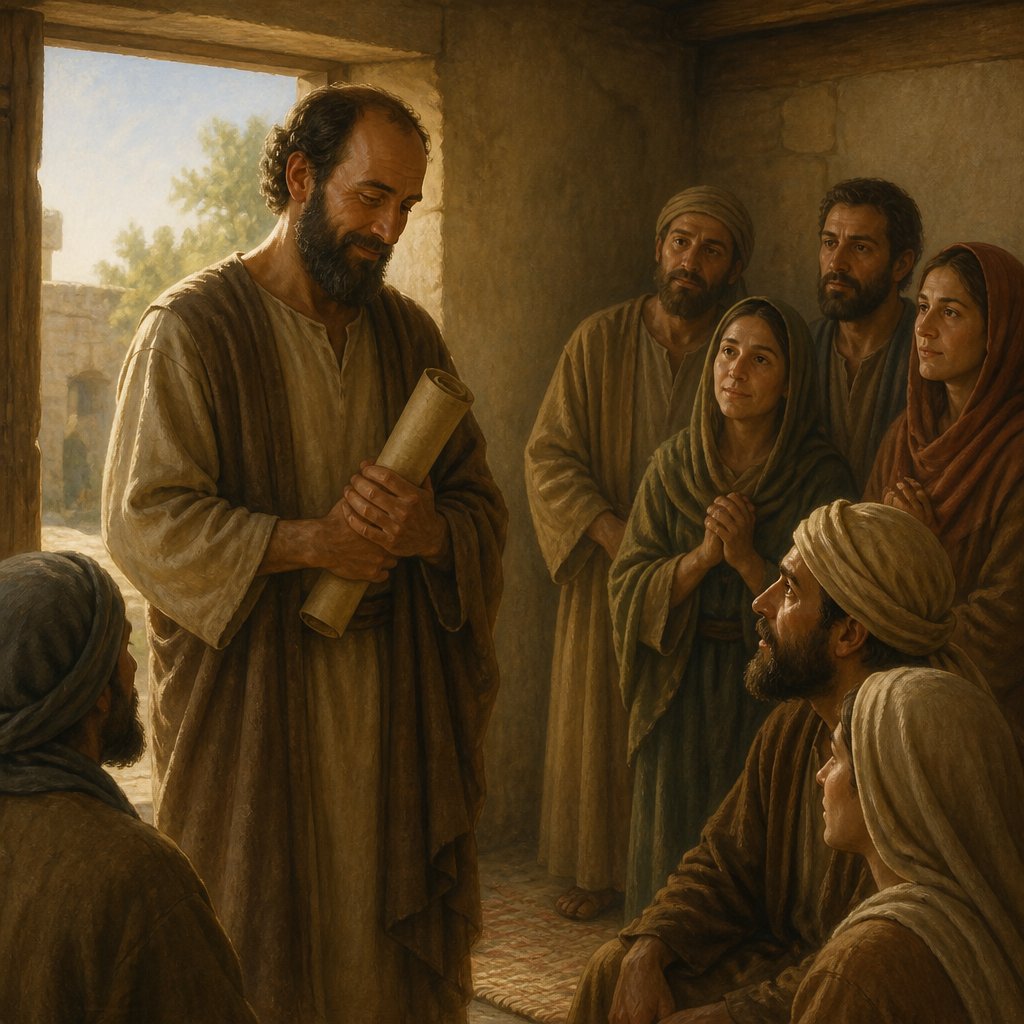
The opening verse of Titus, as penned by Paul, sets the tone for this epistle and carries profound truths that resonate through generations. In Titus 1:1, we read: "Paul, a servant of God, and an apostle of Jesus Christ, according to the faith of God's elect, and the acknowledging of the truth which is after godliness." This verse is rich with meaning, offering insights that are relevant to our lives today as we navigate our personal journeys of faith.
Paul begins by identifying himself first as a "servant of God." Today, servanthood can seem undervalued in a world that often prizes personal achievement and recognition. However, to be a servant of God is a high calling. It implies surrender, humility, and a commitment to follow God’s will. Jesus emulated true servanthood, teaching us that greatness in His Kingdom is not determined by status but by service. In Mark 10:45, Jesus stated, "For even the Son of man came not to be ministered unto, but to minister, and to give his life a ransom for many." Being a servant means putting aside our desires to meet the needs of others, reflecting Christ's love in our actions.
Next, Paul identifies himself as an "apostle of Jesus Christ." The term apostle implies one who is sent forth. Paul’s apostleship was not borne from self-appointment but was a calling from God. His role was to spread the Gospel and establish churches, requiring him to act with authority and accountability. In our current context, being an apostle—or better yet, a representative of Christ—calls for a similar commitment. We are all called to be ambassadors of Christ, carrying the message of His love and grace to the world.
The phrase "according to the faith of God's elect" reminds us that our belief and journey of faith is not just a solo venture; it's part of a collective understanding that has been shaped and molded throughout generations. We are part of God's elect—those chosen by Him not for privilege, but for purpose. Our lives should reflect this faith, which epitomizes trust in God’s promises and His character. In a culture riddled with uncertainty, being firmly rooted in faith provides stability and clarity.
Furthermore, Paul’s mention of "the acknowledging of the truth which is after godliness" is a powerful reminder of the essence of Christian living. Acknowledgment of truth is vital—it means recognizing and accepting the absolute truths found in God’s Word. Truth, as revealed in Scripture, is not merely theoretical; it’s practical and life-changing. Jesus declared in John 14:6, "I am the way, the truth, and the life." Our understanding and acknowledgment of this truth leads us toward godliness.
Godliness is not a question of moral perfection but rather a pursuit of a life that reflects God’s character—one of love, integrity, and righteousness. When we acknowledge His truth, we are compelled to live in ways that bring glory to Him, serving our families, communities, and even our detractors with grace.
In conclusion, Titus 1:1 encapsulates our identity and mission as believers. We are servants called to serve, apostles sent to share the Gospel, living in the assurance of God's elect status, and recognizing the transformative power of truth. These elements intertwine to establish a foundation for a life that is not only fulfilling but also impactful. As we meditate on this truth, let us embrace our roles and responsibilities with a joyful heart, ready to serve and witness to the truth that leads to godliness. Let us ask ourselves today: How can we embody servanthood and apostleship in our daily lives, actively acknowledging the truth in all we do?
Want to reflect more on Titus 1:1?
Continue your spiritual journey with Bible Chat — an AI-powered tool for exploring God's Word through conversation. Ask questions, discover connections, and deepen your understanding.
Get Our Apps


Titus 1:1 Artwork

Titus 1:1 - "Paul, a servant of God, and an apostle of Jesus Christ, according to the faith of God's elect, and the acknowledging of the truth which is after godliness;"
"Paul, a servant of God, and an apostle of Jesus Christ, according to the faith of God's elect, and the acknowledging of the truth which is after godliness;" - Titus 1:1

Titus 1:6

Titus 1:2

Titus 1:2

Titus 1:7

Titus 1:2

Titus 1:2
Titus 1:6

Titus 1:2

Titus 1:7
Titus 1:6

Titus 1:7

Titus 1:7

Titus 1:6

Titus 1:7

Titus 1:2

Titus 3:1-2

Titus 3:1-2

Titus 1:4 - "To Titus, mine own son after the common faith: Grace, mercy, and peace, from God the Father and the Lord Jesus Christ our Saviour."

Titus 1:10 - "For there are many unruly and vain talkers and deceivers, specially they of the circumcision:"

Titus 2:1 - "But speak thou the things which become sound doctrine:"

Titus 1:8 - "But a lover of hospitality, a lover of good men, sober, just, holy, temperate;"

Titus 1:14 - "Not giving heed to Jewish fables, and commandments of men, that turn from the truth."

Titus 1:13 - "This witness is true. Wherefore rebuke them sharply, that they may be sound in the faith;"

Titus 1:6 - "If any be blameless, the husband of one wife, having faithful children not accused of riot or unruly."

Titus 1:2 - "In hope of eternal life, which God, that cannot lie, promised before the world began;"

Titus 3:1 - "Put them in mind to be subject to principalities and powers, to obey magistrates, to be ready to every good work,"

Galatians 2:1 - "Then fourteen years after I went up again to Jerusalem with Barnabas, and took Titus with me also."

Titus 1:16 - "They profess that they know God; but in works they deny him, being abominable, and disobedient, and unto every good work reprobate."