When Winter Passes: Hearing God’s Invitation in the Season of Renewal
"For, lo, the winter is past, the rain is over and gone; The flowers appear on the earth; the time of the singing of birds is come, and the voice of the turtle is heard in our land;" - Song of Songs 2:11-12
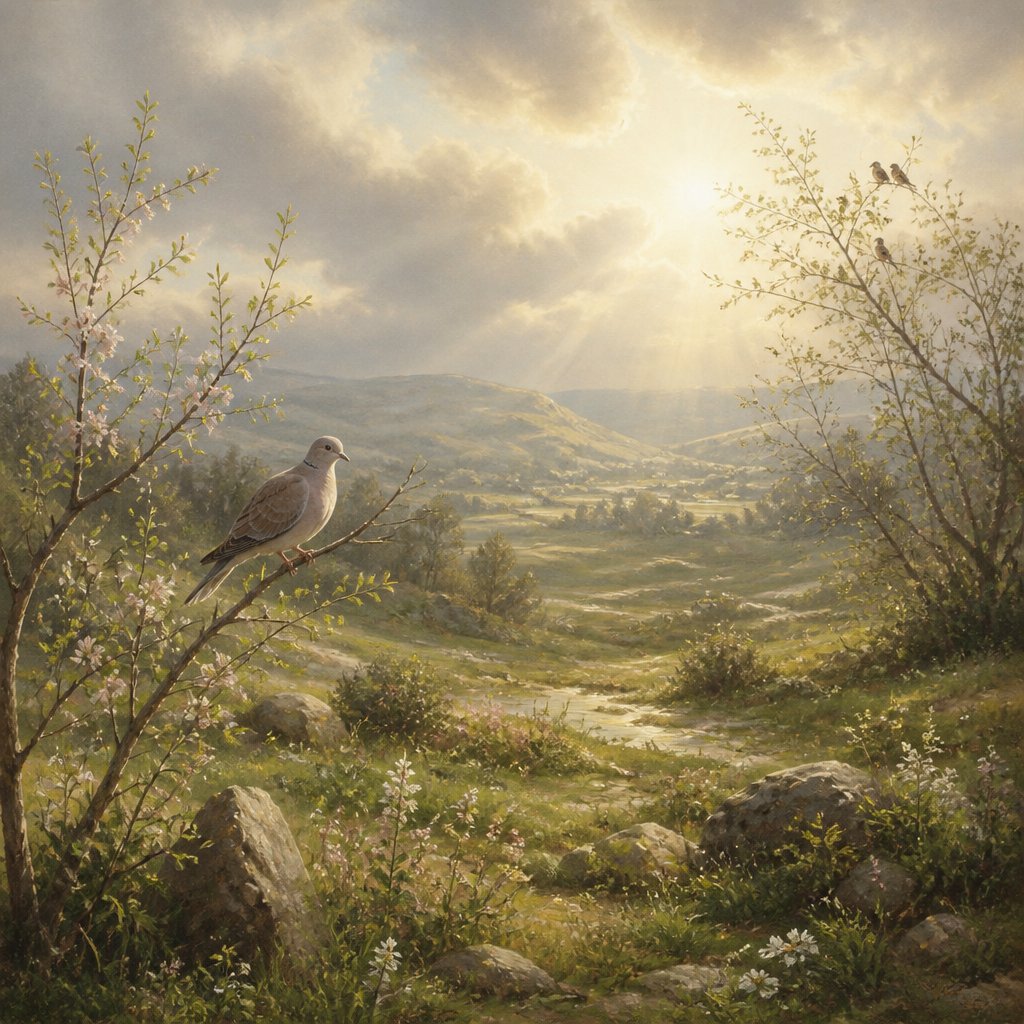
“For, lo, the winter is past, the rain is over and gone; The flowers appear on the earth; the time of the singing of birds is come, and the voice of the turtle is heard in our land;” (Song of Solomon 2:11–12, KJV)
These words arrive like a window thrown open after months of cold air. The speaker points to a change that can be seen, felt, and heard: winter has ended, the heavy rains have moved on, and life begins to show itself again. In the poetry of Song of Solomon, this is a scene of love and invitation—of the beloved calling the other to notice what has shifted and to step into what is new. Yet the imagery also gives us a spiritual lens. God often teaches us through seasons. What nature declares in springtime, the Lord can echo in the heart: seasons of hardship do not have the final word.
“For, lo, the winter is past.” Winter is a fitting picture of endurance. It can represent long waiting, emotional numbness, spiritual dryness, grief, or the weariness of carrying burdens that do not lift quickly. The verse does not deny winter’s reality; it simply announces that it has an end. There are times when God does not remove the cold immediately, but He does sustain us through it. When the Scripture says, “the winter is past,” it reminds the believer that God is not trapped by our timelines, and neither are we. What feels permanent to us may be a chapter, not the whole story.
“The rain is over and gone.” Rain can be a blessing, but it can also describe relentless difficulty—days when sorrow seems to fall without pause. Some storms are outward: conflict, financial strain, illness, disappointment. Some are inward: anxiety, temptation, shame, regret. The verse speaks of a moment when the sky clears. This is not just relief; it is transition. One of the quiet mercies of God is that He does not merely stop the rain—He also changes the atmosphere. He brings us from survival to breathing again.
“The flowers appear on the earth.” Flowers do not force themselves into bloom in a single night. They emerge because something unseen has been happening beneath the surface: roots strengthening, life developing, the soil preparing. In the same way, your “winter” may have produced hidden work—patience, humility, compassion, discernment, deeper prayer. When God allows flowers to “appear,” He is not wasting what you endured; He is revealing what He has been forming. The flowers are not the denial of pain—they are the evidence of renewal.
“The time of the singing of birds is come.” After silence, sound returns. Birds sing because it is their nature, and because the season invites it. Spiritually, this can look like worship returning after a long quiet stretch. It can be the restoration of hope, the reawakening of desire to pray, the ability to thank God again without forcing the words. Sometimes, one of the most healing moments is not when circumstances change dramatically, but when the heart is able to sing again—when joy becomes possible.
“And the voice of the turtle is heard in our land.” The “turtle” here speaks of the turtledove, a gentle, recognizable call. It suggests a tender presence—something steady and faithful. God often guides and comforts not only through dramatic displays, but through quiet assurances: a Scripture that grips you, a timely encouragement, peace that settles in prayer, a wise word from a friend. The voice is “heard,” meaning it can be missed if we are hardened by our winter. Renewal requires attention. God’s invitations can be soft, but they are real.
Take this passage as a call to look again at your life with faith. Ask: Where has winter been lingering in me? What rains have I assumed will never stop? Then listen for the sounds of change—small graces, new desires, fresh mercies. God is able to bring you into a new season, and when He does, He means for you to come out from hiding, to step forward, and to live as one who believes that life can bloom again.
Prayer: Lord, help me to trust You in winter and to recognize Your mercies when spring begins. Open my eyes to the flowers You are bringing forth, and tune my heart to the song You are restoring in me. Let me hear Your gentle voice and follow Your invitation into renewal. Amen.
Want to reflect more on Song of Songs 2:11-12?
Continue your spiritual journey with Bible Chat — an AI-powered tool for exploring God's Word through conversation. Ask questions, discover connections, and deepen your understanding.
Get Our Apps


Song of Songs 2:11-12 Artwork
"For, lo, the winter is past, the rain is over and gone; The flowers appear on the earth; the time of the singing of birds is come, and the voice of the turtle is heard in our land;" - Song of Songs 2:11-12
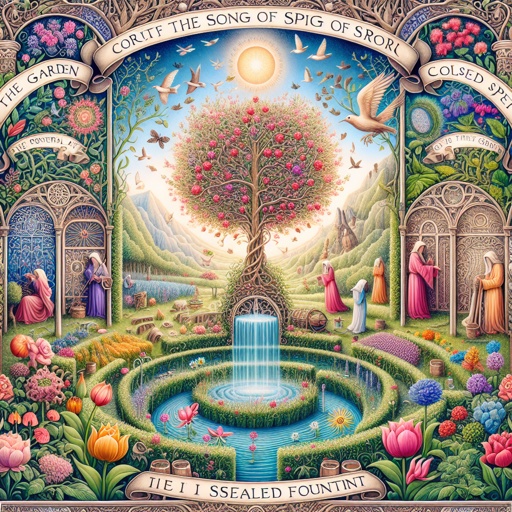
Song of Songs 4:12

Song of Solomon 2:11 - "For, lo, the winter is past, the rain is over and gone;"

Song of Solomon 1:1 - "The song of songs, which is Solomon's."

Song of Solomon 2:12 - "The flowers appear on the earth; the time of the singing of birds is come, and the voice of the turtle is heard in our land;"
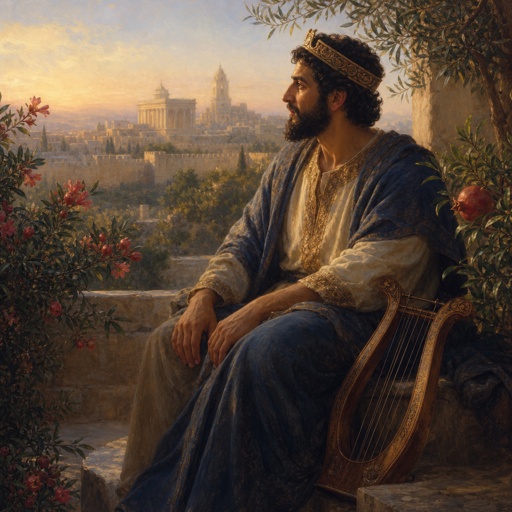
"The song of songs, which is Solomon's." - Song of Solomon 1:1

Song of Solomon 5:11

Girl from song of songs
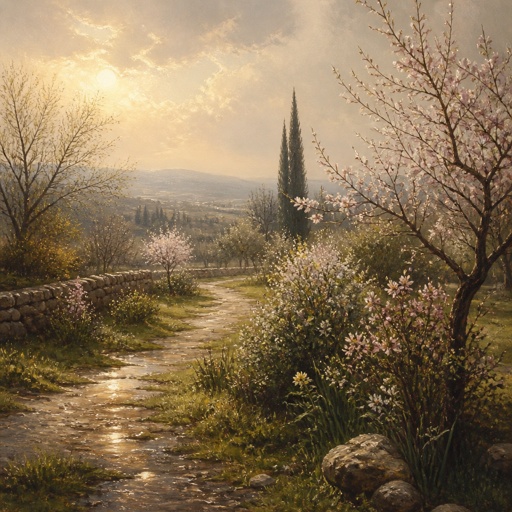
"For, lo, the winter is past, the rain is over and gone;" - Song of Solomon 2:11

Song of songs 1:15

Song of songs 1:14

Isaiah 12:2 - "Behold, God is my salvation; I will trust, and not be afraid: for the LORD JEHOVAH is my strength and my song; he also is become my salvation."

Songs of Solomon 1:2

Song of Solomon 2:15

Psalms 69:12 - "They that sit in the gate speak against me; and I was the song of the drunkards."

Song of Solomon 1:11 - "We will make thee borders of gold with studs of silver."

Song of Solomon 2:3

Song of Solomon 2:15
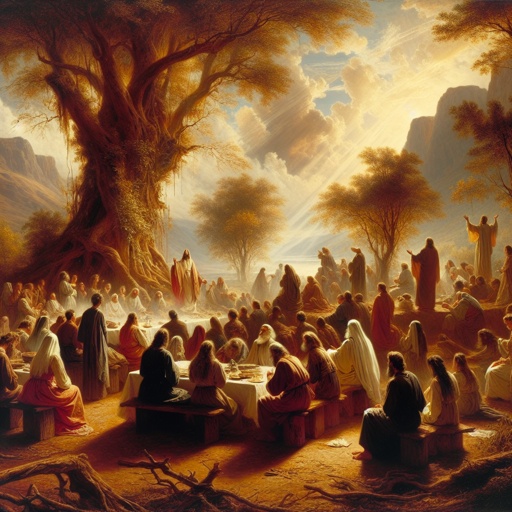
1 songs of Solomon 1:2

Song of Solomon 5:12 - "His eyes are as the eyes of doves by the rivers of waters, washed with milk, and fitly set."

Song of Solomon 6:12 - "Or ever I was aware, my soul made me like the chariots of Amminadib."

Song of Solomon 2:2 - "As the lily among thorns, so is my love among the daughters."

Song of Solomon 5:11 - "His head is as the most fine gold, his locks are bushy, and black as a raven."

Song of Solomon 1:12 - "¶ While the king sitteth at his table, my spikenard sendeth forth the smell thereof."

Song of Solomon 2:1 - "I am the rose of Sharon, and the lily of the valleys."

Song of Solomon 4:12 - "A garden inclosed is my sister, my spouse; a spring shut up, a fountain sealed."

Nehemiah 12:46 - "For in the days of David and Asaph of old there were chief of the singers, and songs of praise and thanksgiving unto God."

Song of Solomon 7:11 - "Come, my beloved, let us go forth into the field; let us lodge in the villages."
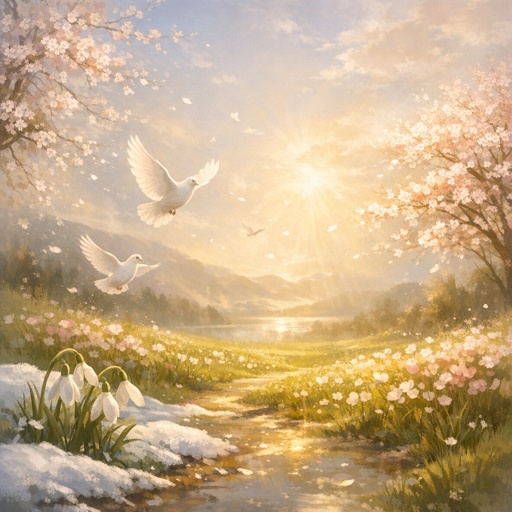
"For, lo, the winter is past, the rain is over and gone; The flowers appear on the earth; the time of the singing of birds is come, and the voice of the turtle is heard in our land;" - Song of Solomon 2:11-12

Judges 5:12 - "Awake, awake, Deborah: awake, awake, utter a song: arise, Barak, and lead thy captivity captive, thou son of Abinoam."