The Beauty of Divine Intimacy: Unveiling the Pomegranate of Our Souls
"As a piece of a pomegranate are thy temples within thy locks." - Song of Solomon 6:7
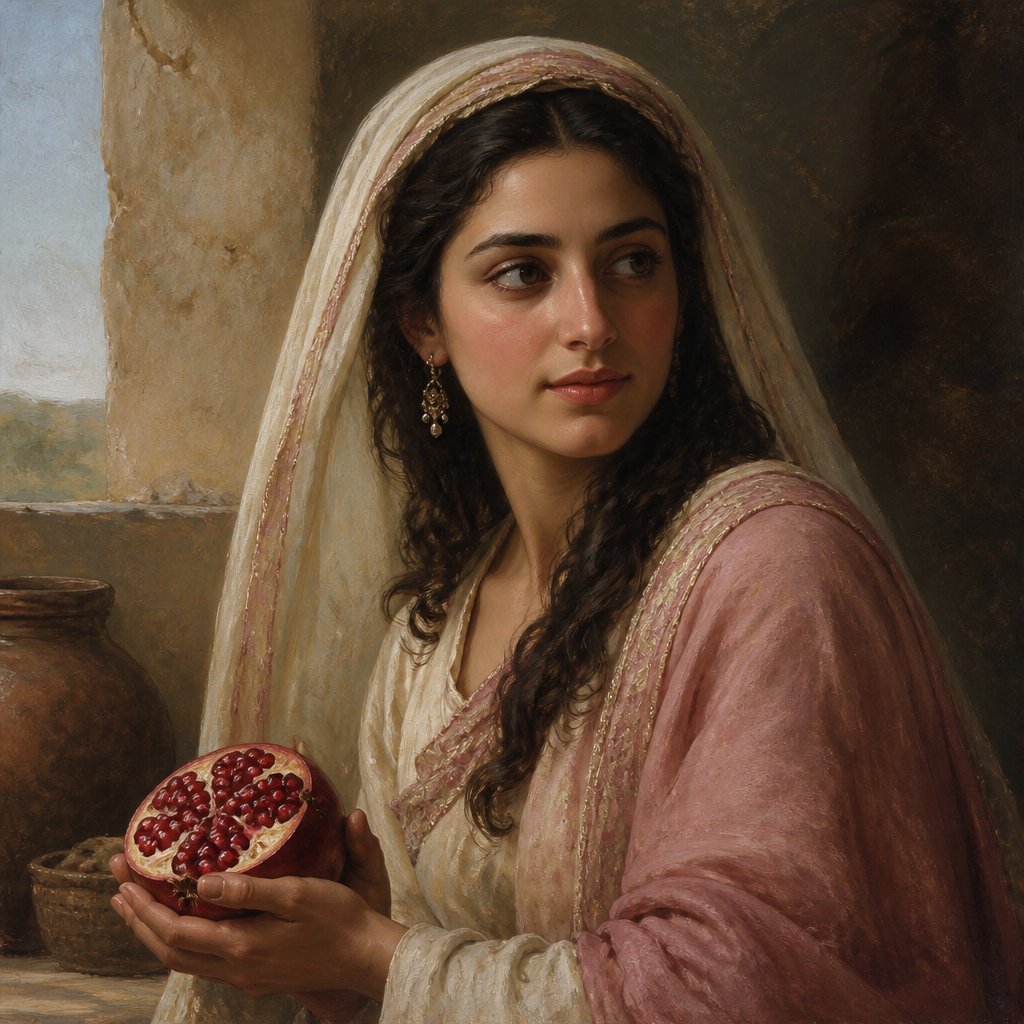
The Song of Solomon is a unique book in the Bible, celebrated for its poetic expression of love, beauty, and intimacy. Among its rich verses, Song of Solomon 6:7 stands out, stating, "As a piece of a pomegranate are thy temples within thy locks." This vivid imagery invites us to explore the deeper meaning of love and connection in our lives.
At first glance, the reference to a pomegranate might seem whimsical. However, within biblical texts, pomegranates are often symbolically rich. They represent fertility, abundance, and beauty. In ancient cultures, including that of Israel, the pomegranate was a celebrated fruit, filled with seeds that signified life and the promise of future generations. Understanding this backdrop invites us to see how much depth there is in the phrase.
Thinking of the ‘temples’ in the verse, we might contemplate them as the area around a person’s face, or perhaps even the thoughts and emotions that dwell there. The phrase suggests that just as a pomegranate is filled with seeds, our thoughts and emotions can be filled with beauty, life, and potential. Within the context of love, when we look at someone we cherish, we ought to see them as a collection of precious experiences, emotions, and deep connections—each seed encapsulated in a fruit that bursts with flavor and delight.
In the journey of our faith, our relationship with God invites us into a profound intimacy, much like that depicted in this poetic reflection. As we grow closer to Him, the image suggests that our hearts can be filled with more than mere affection; they can be brimming with the fruits of the Spirit—love, joy, peace, long-suffering, gentleness, goodness, faith, meekness, and temperance (Galatians 5:22-23). Just as the pomegranate represents the fullness of life and abundance, so too can our relationship with God yield a bountiful harvest of spiritual fruit.
Moreover, the imagery of 'locks' speaks of the beautiful complexity of our identities and how we are intertwined with the love we share with others. Locks of hair often symbolize glory and beauty in biblical literature. The beauty of our lives—not just in our outer appearances but in our inward character—shines through the relationships we cultivate. The texture and shades of our 'locks' reflect the stories of our journeys, interwoven with moments of joy, sorrow, growth, and transformation. When we regard those we love with the same tenderness, we acknowledge the beautiful complexities that make up their existence.
As we meditate on this verse, let us ask ourselves: What does it mean to appreciate the ‘pomegranate’ of our loved ones? How can we actively cultivate our own hearts to become fertile ground filled with love and kindness? Love, as portrayed in this poetic piece, is not just a passive feeling; it is an active engagement and an ongoing process of nurturing our relationships.
When we enter into prayer, we can visualize each ‘seed’ of love, kindness, and grace that has been planted in our hearts. We can ask God to help us be more mindful and present, nurturing these seeds to grow and flourish. Reflecting on our call to love as Christ loves, we are continually invited to share our pomegranate-like fullness with the world, to refresh those around us with the sweetness of divine love.
The beauty of Song of Solomon 6:7 is not just in its poetic expression; it serves as a profound reminder that our relationships are a testament to the bounty of God's creation. May we always recognize the beauty in ourselves and others, and strive to embody the fullness of love that He calls us to share.
Want to reflect more on Song of Solomon 6:7?
Continue your spiritual journey with Bible Chat — an AI-powered tool for exploring God's Word through conversation. Ask questions, discover connections, and deepen your understanding.
Get Our Apps


Song of Solomon 6:7 Artwork

Song of Solomon 6:7 - "As a piece of a pomegranate are thy temples within thy locks."
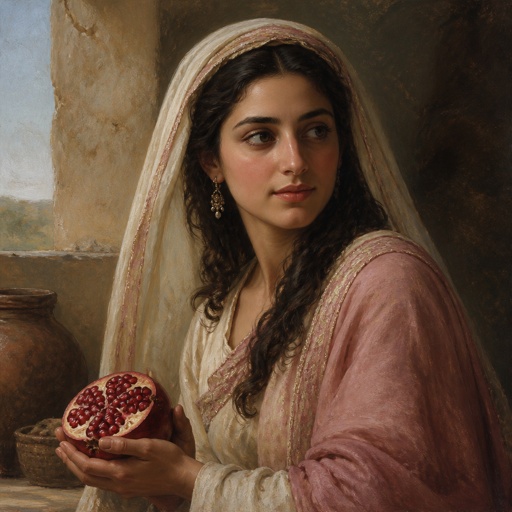
"As a piece of a pomegranate are thy temples within thy locks." - Song of Solomon 6:7

Song of Solomon 7:6 - "How fair and how pleasant art thou, O love, for delights!"

Song of Solomon 6:8 - "There are threescore queens, and fourscore concubines, and virgins without number."

Song of Solomon 6:12 - "Or ever I was aware, my soul made me like the chariots of Amminadib."

Song of Solomon 6:3 - "I am my beloved's, and my beloved is mine: he feedeth among the lilies."
!["Who [is] she [that] looketh forth as the morning, fair as the moon, clear as the sun, [and] terrible as [an army] with banners?" - Song of Solomon 6:10](https://media.bible.art/6b2ee690-5202-4c13-a4ad-2500f2f9b28c-thumbnail.jpg)
"Who [is] she [that] looketh forth as the morning, fair as the moon, clear as the sun, [and] terrible as [an army] with banners?" - Song of Solomon 6:10
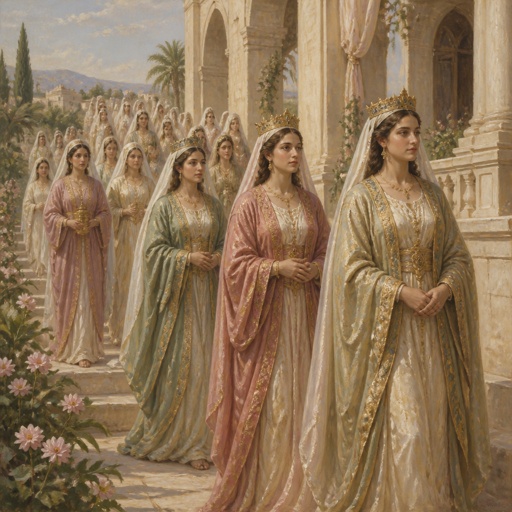
"There are threescore queens, and fourscore concubines, and virgins without number." - Song of Solomon 6:8
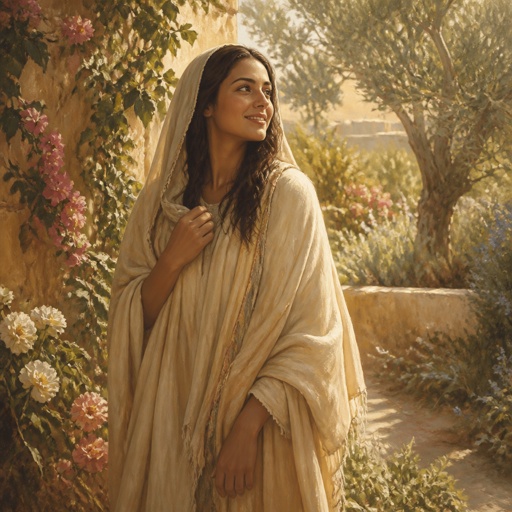
"How fair and how pleasant art thou, O love, for delights!" - Song of Solomon 7:6

Song of Solomon 7:7 - "This thy stature is like to a palm tree, and thy breasts to clusters of grapes."

Song of Solomon 6:4 - "¶ Thou art beautiful, O my love, as Tirzah, comely as Jerusalem, terrible as an army with banners."
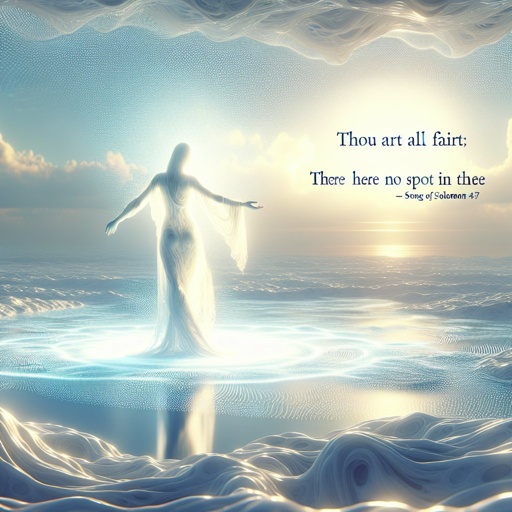
Song of Solomon 4:7 - "Thou art all fair, my love; there is no spot in thee."

Song of Solomon 7:3 - "Thy two breasts are like two young roes that are twins."

Song of Solomon 7:10 - "¶ I am my beloved's, and his desire is toward me."

Song of Solomon 6:5 - "Turn away thine eyes from me, for they have overcome me: thy hair is as a flock of goats that appear from Gilead."

Song of Solomon 6:10 - "¶ Who is she that looketh forth as the morning, fair as the moon, clear as the sun, and terrible as an army with banners?"

Song of Solomon 6:2 - "My beloved is gone down into his garden, to the beds of spices, to feed in the gardens, and to gather lilies."

Song of Solomon 3:7 - "Behold his bed, which is Solomon's; threescore valiant men are about it, of the valiant of Israel."
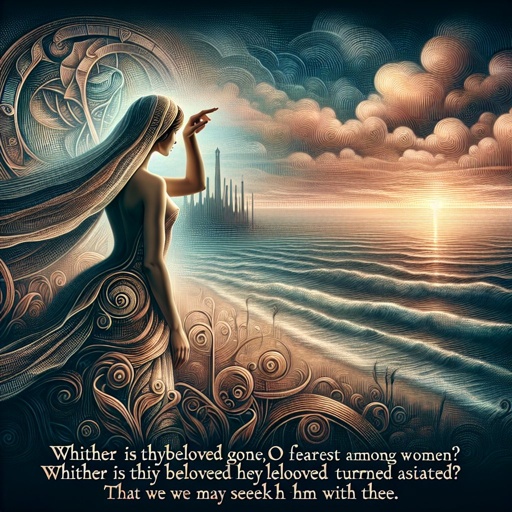
Song of Solomon 6:1 - "Whither is thy beloved gone, O thou fairest among women? whither is thy beloved turned aside? that we may seek him with thee."

Song of Solomon 6:11 - "I went down into the garden of nuts to see the fruits of the valley, and to see whether the vine flourished, and the pomegranates budded."
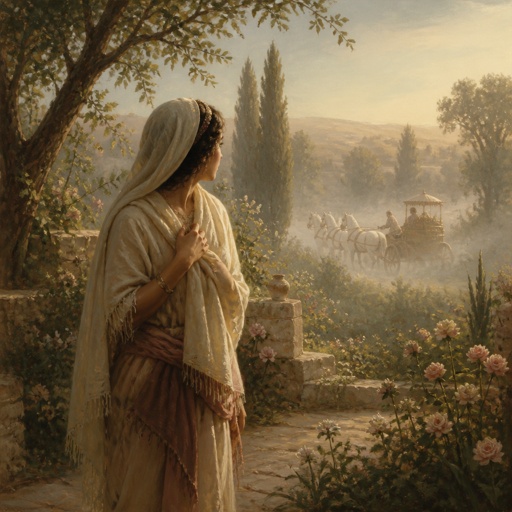
"Or ever I was aware, my soul made me like the chariots of Amminadib." - Song of Solomon 6:12

Song of Solomon 6:6 - "Thy teeth are as a flock of sheep which go up from the washing, whereof every one beareth twins, and there is not one barren among them."
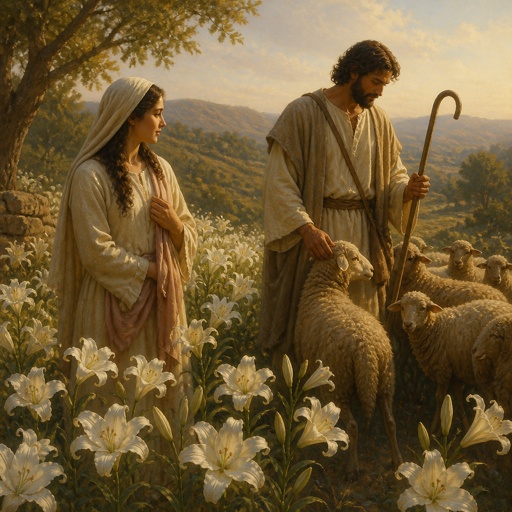
"I am my beloved's, and my beloved is mine: he feedeth among the lilies." - Song of Solomon 6:3

Song of Solomon 2:6 - "His left hand is under my head, and his right hand doth embrace me."

Song of Solomon 7:11 - "Come, my beloved, let us go forth into the field; let us lodge in the villages."

Song of Solomon 1:1 - "The song of songs, which is Solomon's."
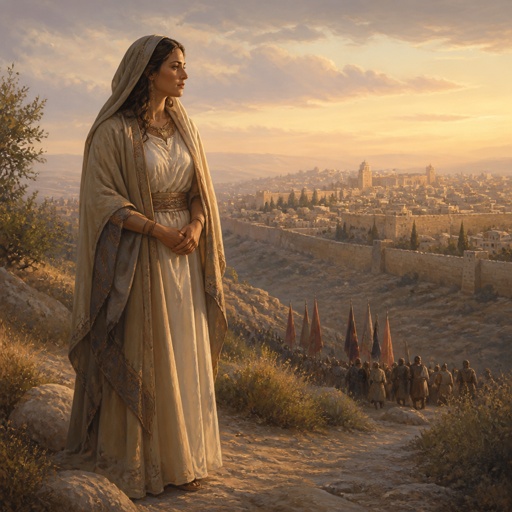
"¶ Thou art beautiful, O my love, as Tirzah, comely as Jerusalem, terrible as an army with banners." - Song of Solomon 6:4
!["Who [is] she [that] looketh forth as the morning, fair as the moon, clear as the sun, [and] terrible as [an army] with banners?" - Song of Solomon 6:10](https://media.bible.art/296e9601-26dc-4dc4-802a-4369580aa0ce-thumbnail.jpg)
"Who [is] she [that] looketh forth as the morning, fair as the moon, clear as the sun, [and] terrible as [an army] with banners?" - Song of Solomon 6:10

Song of Solomon 4:6 - "Until the day break, and the shadows flee away, I will get me to the mountain of myrrh, and to the hill of frankincense."

Song of Solomon 6:13 - "Return, return, O Shulamite; return, return, that we may look upon thee. What will ye see in the Shulamite? As it were the company of two armies."