Embracing Our Authentic Selves: A Reflection on Song of Solomon 1:6
"Look not upon me, because I am black, because the sun hath looked upon me: my mother's children were angry with me; they made me the keeper of the vineyards; but mine own vineyard have I not kept." - Song of Solomon 1:6
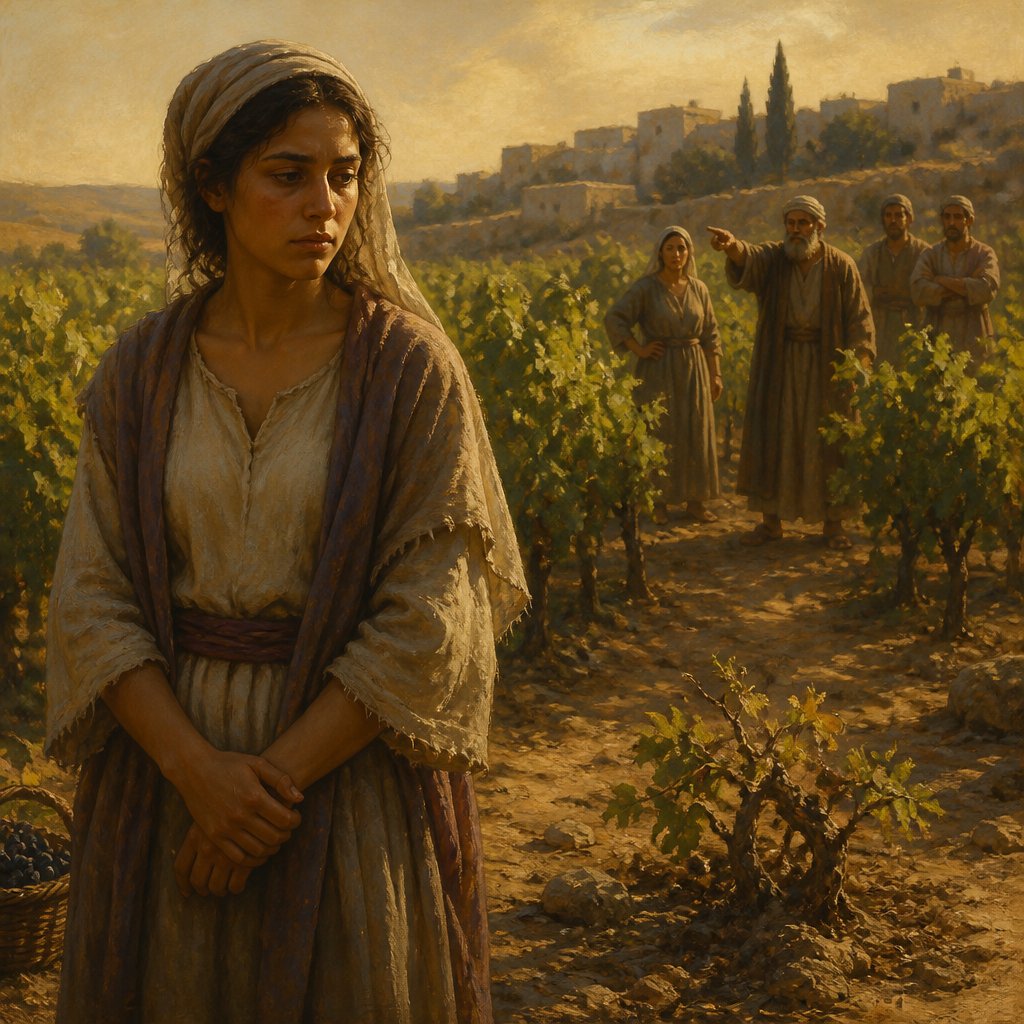
In the poetic depths of the Song of Solomon, we encounter a verse that speaks to the complexities of self-worth, identity, and the burdens we bear: "Look not upon me, because I am black, because the sun hath looked upon me: my mother's children were angry with me; they made me the keeper of the vineyards; but mine own vineyard have I not kept" (Song of Solomon 1:6 KJV). This profound statement resonates on multiple levels, encouraging us to explore our inner landscapes and the external influences that shape our perceptions of ourselves.
At first glance, the speaker’s plea, "Look not upon me," seems steeped in shame and self-rejection. There is an acknowledgment of being judged based on appearances, represented in the phrase "I am black." This "blackness" can be interpreted in many ways—perhaps a reference to physical appearance, environmental hardships, or emotional states that weigh heavily upon the heart. In Scripture, colors often carry deeper meanings, and here, black could symbolize a form of despair or a plea for understanding amidst suffering and judgment.
Consider for a moment the weight of societal expectations and personal judgments we often carry. Much like the speaker of this verse, we may feel the sting of disapproval from those around us, whether from family, friends, or society at large. "My mother's children were angry with me" illustrates a disconnection from family and an internal conflict bred from external strife. The pain of familial rejection resonates deeply, as we all have stories where acceptance and love felt conditional, contingent on our ability to fit certain molds. This rejection can lead us to a place where we feel compelled to hide our true selves, or worse, to equate our worth with the judgments of others.
The metaphor of the vineyard is poignant; vineyards represent care, cultivation, and fruitfulness. "But mine own vineyard have I not kept" illustrates the struggle of nurturing one's own identity and well-being amidst the demands and expectations imposed by others. The speaker was made a keeper of the vineyards, suggesting a sense of duty or obligation that overshadows personal needs. How often do we find ourselves in similar situations, where our energies are consumed by responsibilities to others while our own dreams, desires, and identities are neglected?
In reflecting upon this verse, we are invited to consider the ways we might be overlooking our own 'vineyards.' What are those dreams, passions, or parts of ourselves that we have neglected while tending to someone else's expectations? The call here is gentle yet persistent; it beckons us to acknowledge our own needs and to stop the cycle of neglect.
As we meditate on this verse, we may also recognize Jesus's call to nurture our spirits. In John 15:1-5, Jesus describes himself as the true vine and encourages us to abide in Him. This abiding is not only about bearing fruit, but also about knowing our identity as beloved children of God, irrespective of societal views or familial acceptance. God sees beyond our flaws and offers a space for healing and restoration.
To put aside the fear of being ‘looked upon’ or judged is a journey towards authenticity. It is an invitation to see ourselves as God sees us: worthy, loved, and capable of bearing fruit in our unique ways. In this sacred space, we can begin to reclaim our vineyards, tending to our hearts, discovering what truly nourishes our spirits, and embracing the beauty of who we are, disregarding the harsh judgments of our surroundings.
In conclusion, let Song of Solomon 1:6 serve as both a reminder and a challenge. Strive to show compassion to yourself, cultivate your vineyard with care, and allow God to bring forth the fruit of your identity. Who you are is precious, and nurturing your true self is not just a personal journey, but an act of worship to the Creator who fashioned you with purpose and love.
Want to reflect more on Song of Solomon 1:6?
Continue your spiritual journey with Bible Chat — an AI-powered tool for exploring God's Word through conversation. Ask questions, discover connections, and deepen your understanding.
Get Our Apps


Song of Solomon 1:6 Artwork

Song of Solomon 1:6 - "Look not upon me, because I am black, because the sun hath looked upon me: my mother's children were angry with me; they made me the keeper of the vineyards; but mine own vineyard have I not kept."
"Look not upon me, because I am black, because the sun hath looked upon me: my mother's children were angry with me; they made me the keeper of the vineyards; but mine own vineyard have I not kept." - Song of Solomon 1:6

Songs of Solomon 1:2

Song of Solomon 1:4

Song of Solomon 1:4

Song of Solomon 1:1 - "The song of songs, which is Solomon's."
1 Songs of Solomon 1:1
1 songs of Solomon 1:2
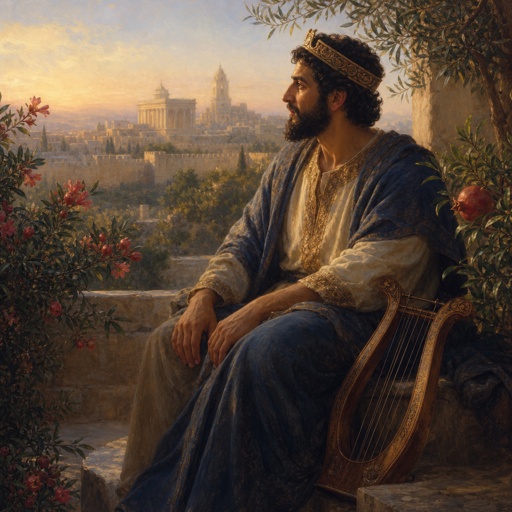
"The song of songs, which is Solomon's." - Song of Solomon 1:1

Song of Solomon 1:12 - "¶ While the king sitteth at his table, my spikenard sendeth forth the smell thereof."

Song of Solomon 1:11 - "We will make thee borders of gold with studs of silver."

Song of Solomon 1:5 - "I am black, but comely, O ye daughters of Jerusalem, as the tents of Kedar, as the curtains of Solomon."

Song of Solomon 1:15 - "Behold, thou art fair, my love; behold, thou art fair; thou hast doves' eyes."

Song of Solomon 1:9 - "I have compared thee, O my love, to a company of horses in Pharaoh's chariots."

Song of Solomon 1:17 - "The beams of our house are cedar, and our rafters of fir."

Song of Solomon 1:14 - "My beloved is unto me as a cluster of camphire in the vineyards of En-gedi."

Song of Solomon 1:16 - "Behold, thou art fair, my beloved, yea, pleasant: also our bed is green."

Song of Solomon 6:8 - "There are threescore queens, and fourscore concubines, and virgins without number."

Song of Solomon 1:13 - "A bundle of myrrh is my wellbeloved unto me; he shall lie all night betwixt my breasts."

Song of Solomon 6:7 - "As a piece of a pomegranate are thy temples within thy locks."

Song of Solomon 1:10 - "Thy cheeks are comely with rows of jewels, thy neck with chains of gold."

Song of Solomon 2:15

Song of Solomon 5:11

Song of Solomon 2:3

Song of Solomon 2:15
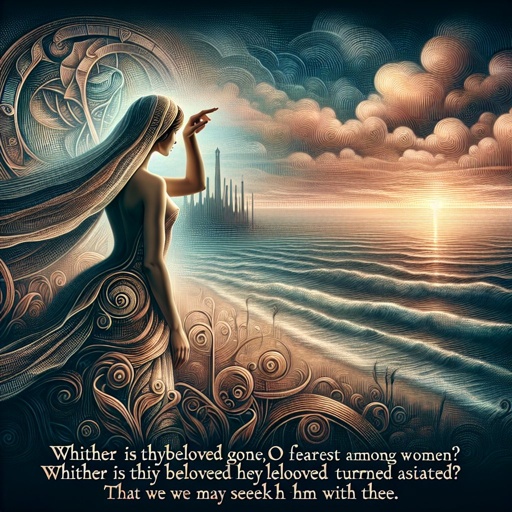
Song of Solomon 6:1 - "Whither is thy beloved gone, O thou fairest among women? whither is thy beloved turned aside? that we may seek him with thee."

Song of Solomon 7:6 - "How fair and how pleasant art thou, O love, for delights!"

"The beams of our house are cedar, and our rafters of fir." - Song of Solomon 1:17

Song of Solomon 1:2 - "Let him kiss me with the kisses of his mouth: for thy love is better than wine."

Song of Solomon 1:3 - "Because of the savour of thy good ointments thy name is as ointment poured forth, therefore do the virgins love thee."