The Significance of Redemption: Lessons from Ruth 4:7
"Now this was the manner in former time in Israel concerning redeeming and concerning changing, for to confirm all things; a man plucked off his shoe, and gave it to his neighbour: and this was a testimony in Israel." - Ruth 4:7
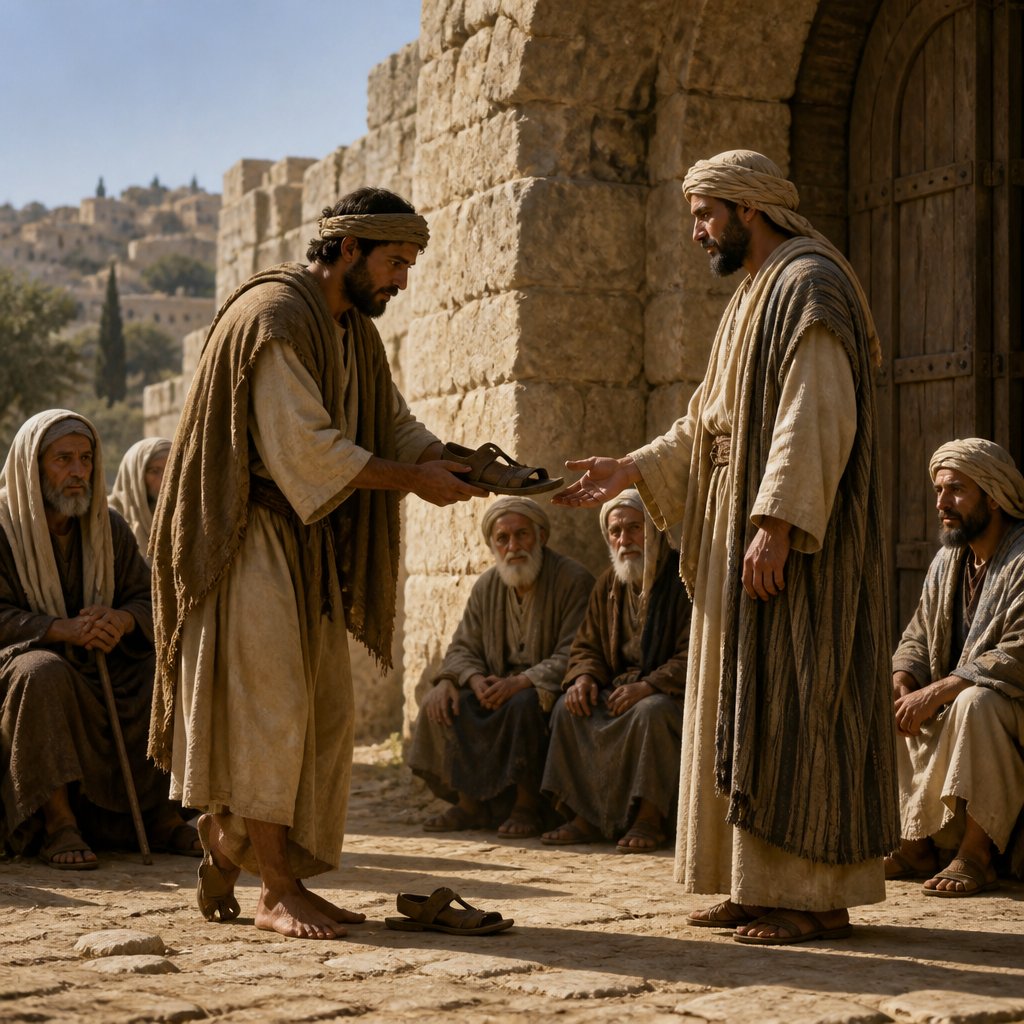
The story of Ruth offers profound insights into the themes of loyalty, sacrifice, and redemption. In Ruth 4:7, we encounter a fascinating cultural practice in Israel related to redemption and the legal traditions of the time: "Now this was the manner in former time in Israel concerning redeeming and concerning changing, for to confirm all things; a man plucked off his shoe, and gave it to his neighbour: and this was a testimony in Israel." This verse captures an important moment that not only signifies the transfer of rights but also serves as a testimony of the relational nature of God’s covenant.
To fully appreciate the significance of this act, we must immerse ourselves in the cultural context of the time. A shoe represented much more than just a piece of footwear; it symbolized a person’s claim, rights, and authority. When a man removed his shoe and gave it to another, it was an irreversible act of relinquishing those rights. It illustrated a profound commitment, a covenantal agreement, and a legal transaction anchored in personal relationships.
In this passage, we witness Boaz, a redeemer, standing before the townsfolk to finalize the redemption of Naomi’s family lineage through Ruth. The narrative highlights his willingness to honor the obligations entrusted to him, choosing to redeem rather than reject. This moment encapsulates the essence of what it means to be a true redeemer, a key figure who steps into the gap to restore what was lost.
Ruth, a Moabite woman, symbolized the outsiders who, through faith and loyalty, found a place among God’s people. Her devotion to Naomi and her commitment to following the God of Israel led her to Boaz. The act of exchanging the shoe reveals that redemption requires active participation. Whether we’re like Ruth—outside the bounds of tradition—or Boaz, understanding our role in the family of believers, we are called into a dynamic story of grace and restoration.
This passage challenges us to reflect on what it means to redeem others in our lives. In light of the Cross, Jesus becomes our ultimate Redeemer. His act is akin to Boaz’s; however, He does more than transfer rights—He gifts us His righteousness. When He laid down His life, the ultimate testimony was not a shoe given but His own body nailed to the cross, declaring the new covenant established in His blood.
As we meditate on Ruth 4:7, we can draw parallels to our walk with Christ. Each believer is invited into a unique journey of redemption, embodying the love and sacrifice illustrated in this moment in Israeli tradition. How are we inclined to give up our own rights for the sake of someone else? Are we bold enough to step in, like Boaz, ensuring that those who are struggling know they are not alone?
The act of removing a shoe is often seen as a symbol of humility and commitment and encourages us to approach our relationships—both with God and one another—with this same heart posture. How we treat the marginalized, the outsiders, or the needy reflects our understanding of redemption. In every act of kindness, every moment where we step in to help or support, we echo the words of Christ, where He speaks and acts on behalf of the downtrodden and the lost.
Embrace the challenge to be a redeemer in your own sphere of influence. Remember that as the body of Christ, we carry the responsibility to uphold one another, urging each other forward while also recognizing the depth of what Christ has done for us. In this light, let us heed the call of Ruth 4:7, allowing it to inspire acts of kindness, selflessness, and above all, love that testifies to the goodness of God. May your heart be open to recognizing opportunities for redemption in your daily life, and may your actions speak of the testimony of His faithfulness.
Want to reflect more on Ruth 4:7?
Continue your spiritual journey with Bible Chat — an AI-powered tool for exploring God's Word through conversation. Ask questions, discover connections, and deepen your understanding.
Get Our Apps


Ruth 4:7 Artwork

Ruth 4:7 - "Now this was the manner in former time in Israel concerning redeeming and concerning changing, for to confirm all things; a man plucked off his shoe, and gave it to his neighbour: and this was a testimony in Israel."
"Now this was the manner in former time in Israel concerning redeeming and concerning changing, for to confirm all things; a man plucked off his shoe, and gave it to his neighbour: and this was a testimony in Israel." - Ruth 4:7

Ruth 1:4 - "And they took them wives of the women of Moab; the name of the one was Orpah, and the name of the other Ruth: and they dwelled there about ten years."

Ruth 4:13 - "¶ So Boaz took Ruth, and she was his wife: and when he went in unto her, the LORD gave her conception, and she bare a son."

Ruth 4:18 - "¶ Now these are the generations of Pharez: Pharez begat Hezron,"

Ruth 4:20 - "And Amminadab begat Nahshon, and Nahshon begat Salmon,"

Ruth 4:21 - "And Salmon begat Boaz, and Boaz begat Obed,"

Ruth 4:19 - "And Hezron begat Ram, and Ram begat Amminadab,"

Ruth 4:22 - "And Obed begat Jesse, and Jesse begat David."

Ruth 4:5 - "Then said Boaz, What day thou buyest the field of the hand of Naomi, thou must buy it also of Ruth the Moabitess, the wife of the dead, to raise up the name of the dead upon his inheritance."

Ruth 4:16 - "And Naomi took the child, and laid it in her bosom, and became nurse unto it."

Ruth 4:10 - "Moreover Ruth the Moabitess, the wife of Mahlon, have I purchased to be my wife, to raise up the name of the dead upon his inheritance, that the name of the dead be not cut off from among his brethren, and from the gate of his place: ye are witnesses this day."
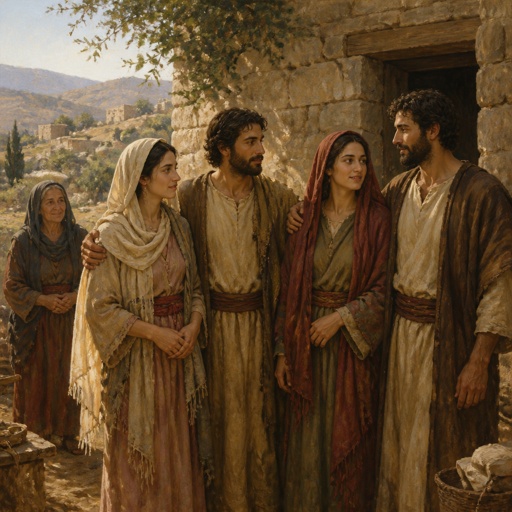
"And they took them wives of the women of Moab; the name of the one was Orpah, and the name of the other Ruth: and they dwelled there about ten years." - Ruth 1:4

Ruth 4:8 - "Therefore the kinsman said unto Boaz, Buy it for thee. So he drew off his shoe."

Ruth 4:2 - "And he took ten men of the elders of the city, and said, Sit ye down here. And they sat down."
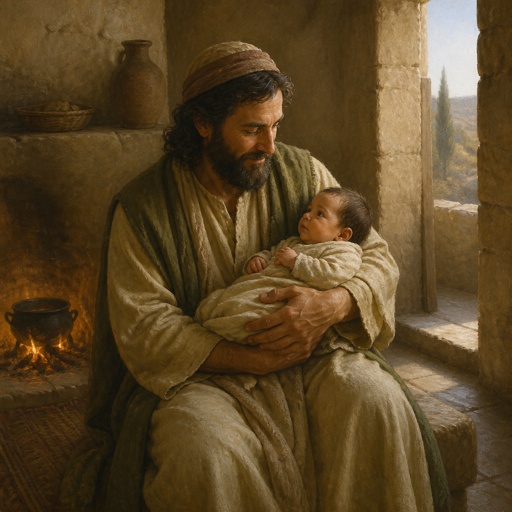
"¶ Now these are the generations of Pharez: Pharez begat Hezron," - Ruth 4:18
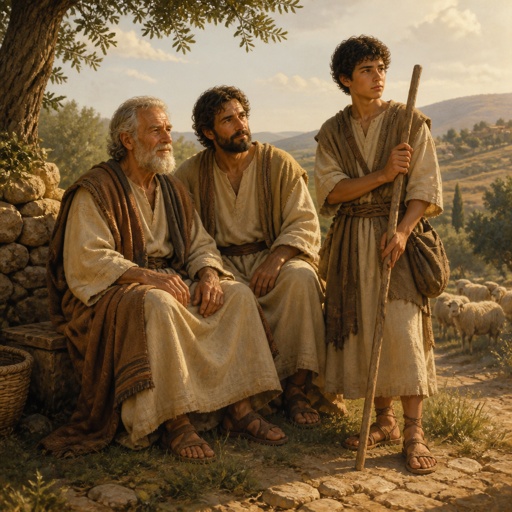
"And Obed begat Jesse, and Jesse begat David." - Ruth 4:22
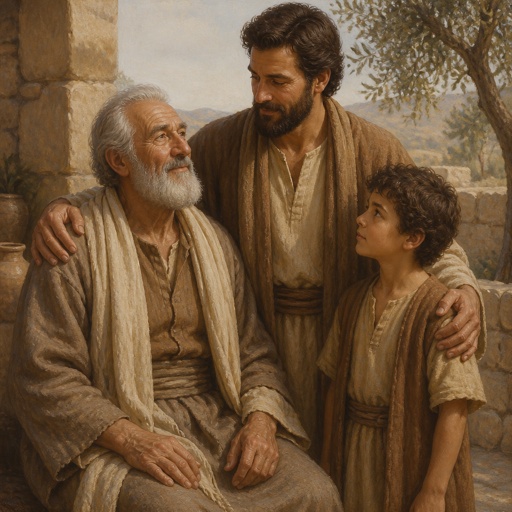
"And Hezron begat Ram, and Ram begat Amminadab," - Ruth 4:19
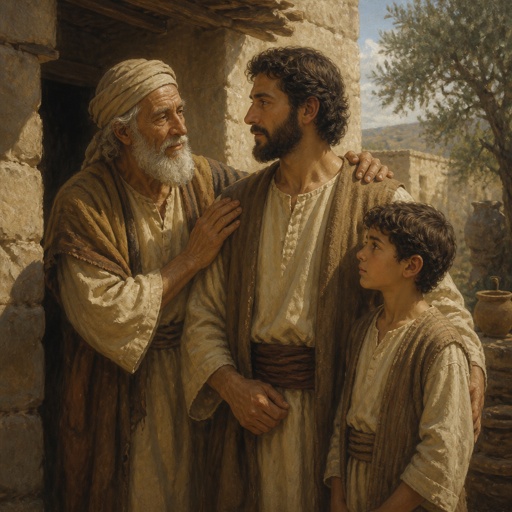
"And Amminadab begat Nahshon, and Nahshon begat Salmon," - Ruth 4:20
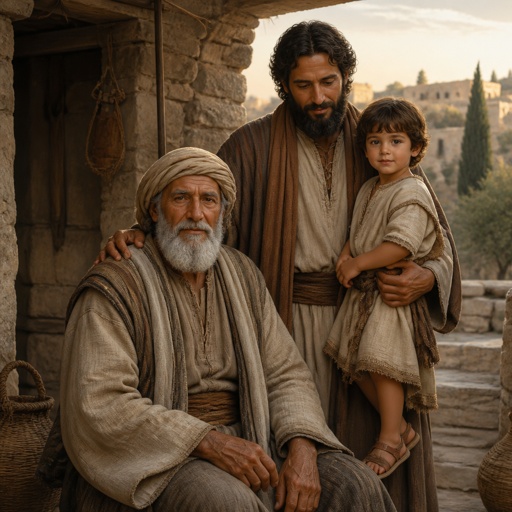
"And Salmon begat Boaz, and Boaz begat Obed," - Ruth 4:21

Ruth 2:4 - "¶ And, behold, Boaz came from Beth-lehem, and said unto the reapers, The LORD be with you. And they answered him, The LORD bless thee."

Ruth 4:3 - "And he said unto the kinsman, Naomi, that is come again out of the country of Moab, selleth a parcel of land, which was our brother Elimelech's:"

Ruth 1:7 - "Wherefore she went forth out of the place where she was, and her two daughters in law with her; and they went on the way to return unto the land of Judah."
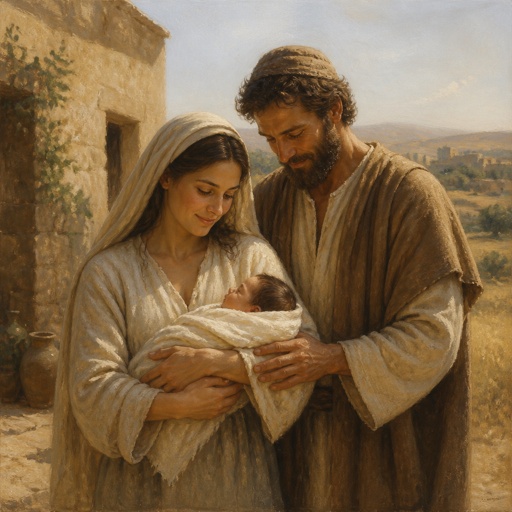
"¶ So Boaz took Ruth, and she was his wife: and when he went in unto her, the LORD gave her conception, and she bare a son." - Ruth 4:13

Ruth 4:14 - "And the women said unto Naomi, Blessed be the LORD, which hath not left thee this day without a kinsman, that his name may be famous in Israel."

Ruth 4:17 - "And the women her neighbours gave it a name, saying, There is a son born to Naomi; and they called his name Obed: he is the father of Jesse, the father of David."

Ruth 4:4 - "And I thought to advertise thee, saying, Buy it before the inhabitants, and before the elders of my people. If thou wilt redeem it, redeem it: but if thou wilt not redeem it, then tell me, that I may know: for there is none to redeem it beside thee; and I am after thee. And he said, I will redeem it."

Ruth 4:12 - "And let thy house be like the house of Pharez, whom Tamar bare unto Judah, of the seed which the LORD shall give thee of this young woman."
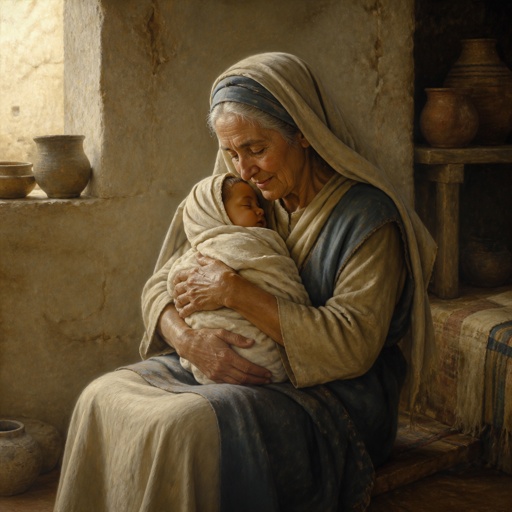
"And Naomi took the child, and laid it in her bosom, and became nurse unto it." - Ruth 4:16

Ruth 4:6 - "¶ And the kinsman said, I cannot redeem it for myself, lest I mar mine own inheritance: redeem thou my right to thyself; for I cannot redeem it."