The Legacy of Faith: Lessons from Ruth 4:19
"And Hezron begat Ram, and Ram begat Amminadab," - Ruth 4:19
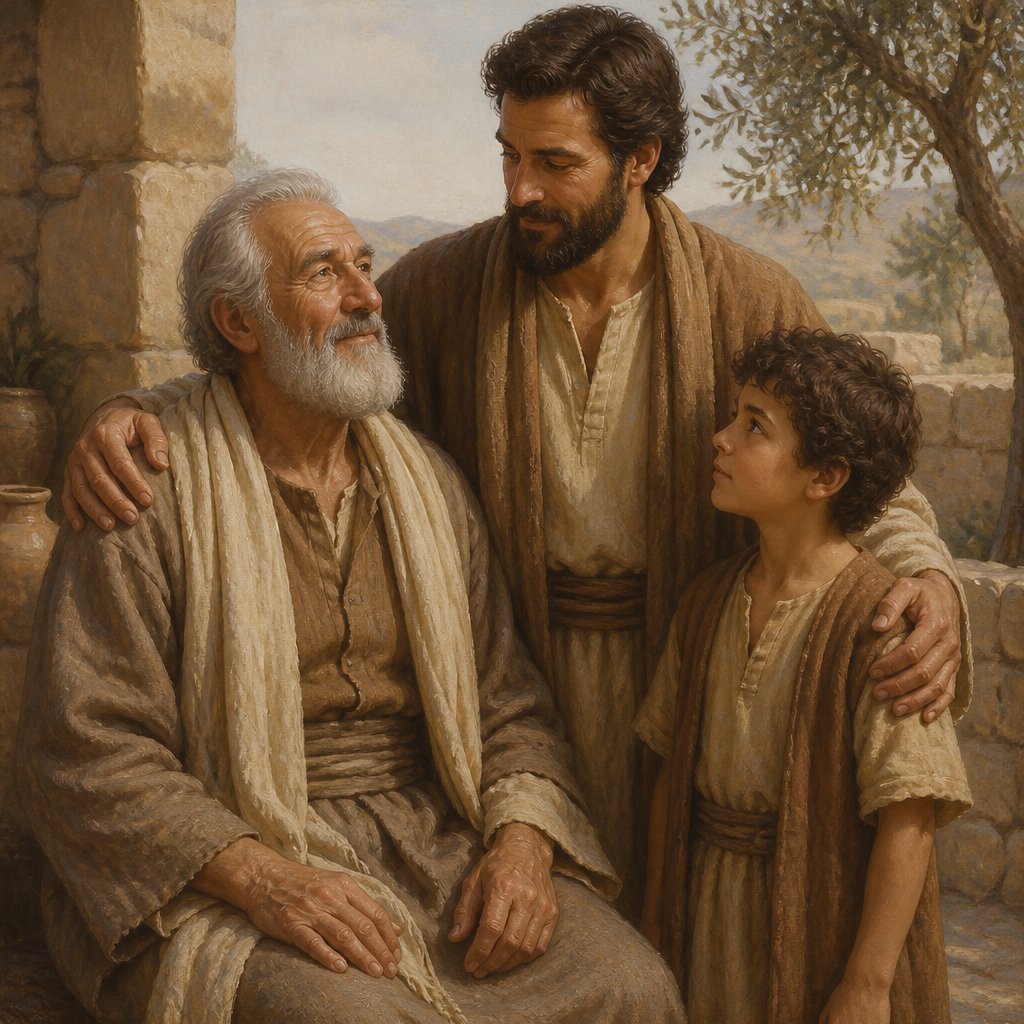
In the sacred narrative of Scripture, the genealogies often serve as a bridge between the past and the future, revealing not only the lineage of Christ but also the faithful remnant of God’s people throughout generations. Ruth 4:19, which declares "And Hezron begat Ram, and Ram begat Amminadab," stands as a testament to the enduring legacy of faithfulness and divine providence woven into the fabric of our history.
At first glance, this verse may seem like a mere list of names, a seemingly dry accounting of ancestry. However, when we pause to reflect on the implications of these names, we uncover a profound narrative of God’s faithfulness and the importance of legacy. These names—Hezron, Ram, and Amminadab—belong to a lineage that leads ultimately to King David and, as Christians understand, to Jesus Christ. Every name in this chain represents a life lived in relationship with God, contributing to the unfolding story of redemption that spans the ages.
**The Importance of Ancestry**
Genealogies in Scripture remind us that we are part of a larger story. They link us to our spiritual ancestors, those who walked before us in faith. It is through these faithful lives that we understand the depth of God’s commitment to His people. Each generation faces its own challenges and choices, yet the faithful legacy of prior generations can serve as encouragement and a guide. The act of ‘begatting’—of begetting offspring—extends far beyond physical offspring. It encompasses the idea of influence, mentorship, and spiritual leadership that we can carry forward.
**Hezron: A Name of Promise**
The mention of Hezron signifies the promise of God. Hezron was a son of Perez and grandson of Judah. Within the chaotic context of Israel’s history, individuals like Hezron stood firm. His inclusion in the lineage of Christ affirms that even amid difficulty, faithfulness in the family line was paramount. Hezron’s life exemplifies how we can leave a legacy worth inheriting—a life of trust in God’s promises. Are we living in such a way that those who follow us can see a clear pathway to God?
**Ram: The Steadfast Bearer**
As we move to Ram, we recognize the name means "exalted" or "high." Ram’s presence in this lineage represents a steadfastness of character. He played his part in God’s grand narrative, illustrating that every individual has a role, no matter how seemingly small. The New Testament echoes this truth, showcasing that God often chooses the overlooked and the humble to accomplish His purposes. Ram’s example encourages us to embrace the roles we have been given, serving faithfully in our spheres of influence.
**Amminadab: A Connection to the Covenant**
Amminadab’s name means "my people are noble." This speaks volumes in the context of the covenant community of Israel. It serves as a reminder that our identity and worth are grounded not in our achievements but in our relationship with God and His covenant of love. The very names in our family tree can be reminders of our identity as children of the King. Each one of us is called to declare our faith and relationship with Jesus Christ, much like Amminadab, influencing future generations.
**Reflection on Our Legacy**
As we contemplate Ruth 4:19, let us take time this week to examine our legacy. What will we bequeath to our children, and indeed, our spiritual descendants? We have the opportunity to instill values of faith, hope, and love in those around us. The generations that come after us can either benefit or suffer from our choices and our relationship with God. Are we prioritizing our relationship with Him? Are we providing a clear model of faith for those who will come behind us? Are we living out our faith authentically, demonstrating the gospel through our actions?
In closing, the genealogy found in Ruth 4:19 isn’t just a record; it’s a call to action. It invites us to consider how we can contribute to a legacy of faith, much like Hezron, Ram, and Amminadab. May we embrace our role with the confidence that God continues to work through generations, crafting a beautiful narrative of redemption and purpose.
Want to reflect more on Ruth 4:19?
Continue your spiritual journey with Bible Chat — an AI-powered tool for exploring God's Word through conversation. Ask questions, discover connections, and deepen your understanding.
Get Our Apps


Ruth 4:19 Artwork

Ruth 4:19 - "And Hezron begat Ram, and Ram begat Amminadab,"
"And Hezron begat Ram, and Ram begat Amminadab," - Ruth 4:19

Ruth 1:4 - "And they took them wives of the women of Moab; the name of the one was Orpah, and the name of the other Ruth: and they dwelled there about ten years."

Ruth 4:13 - "¶ So Boaz took Ruth, and she was his wife: and when he went in unto her, the LORD gave her conception, and she bare a son."

Ruth 4:18 - "¶ Now these are the generations of Pharez: Pharez begat Hezron,"

Ruth 4:20 - "And Amminadab begat Nahshon, and Nahshon begat Salmon,"

Ruth 4:21 - "And Salmon begat Boaz, and Boaz begat Obed,"

Ruth 4:22 - "And Obed begat Jesse, and Jesse begat David."

Ruth 4:5 - "Then said Boaz, What day thou buyest the field of the hand of Naomi, thou must buy it also of Ruth the Moabitess, the wife of the dead, to raise up the name of the dead upon his inheritance."

Ruth 4:16 - "And Naomi took the child, and laid it in her bosom, and became nurse unto it."

Ruth 4:10 - "Moreover Ruth the Moabitess, the wife of Mahlon, have I purchased to be my wife, to raise up the name of the dead upon his inheritance, that the name of the dead be not cut off from among his brethren, and from the gate of his place: ye are witnesses this day."
"And they took them wives of the women of Moab; the name of the one was Orpah, and the name of the other Ruth: and they dwelled there about ten years." - Ruth 1:4

Ruth 4:2 - "And he took ten men of the elders of the city, and said, Sit ye down here. And they sat down."

Ruth 4:8 - "Therefore the kinsman said unto Boaz, Buy it for thee. So he drew off his shoe."
"¶ Now these are the generations of Pharez: Pharez begat Hezron," - Ruth 4:18
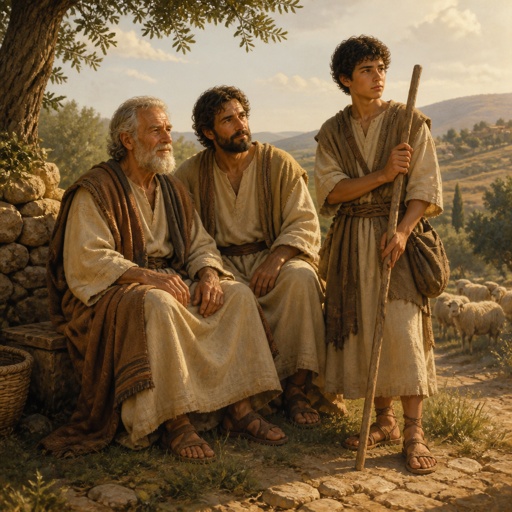
"And Obed begat Jesse, and Jesse begat David." - Ruth 4:22
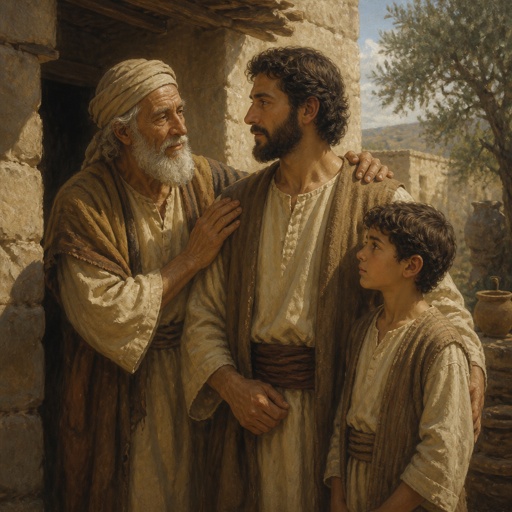
"And Amminadab begat Nahshon, and Nahshon begat Salmon," - Ruth 4:20
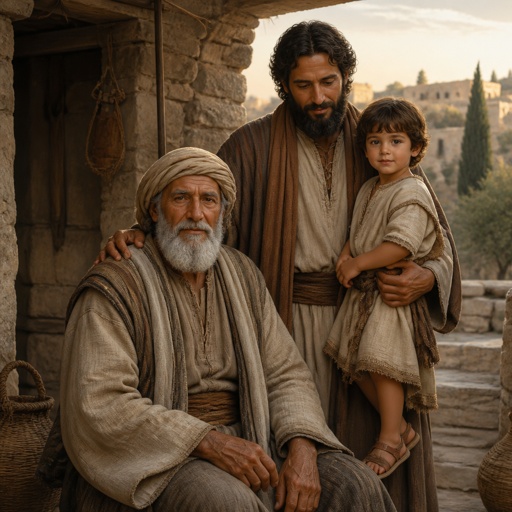
"And Salmon begat Boaz, and Boaz begat Obed," - Ruth 4:21

Ruth 1:19 - "¶ So they two went until they came to Beth-lehem. And it came to pass, when they were come to Beth-lehem, that all the city was moved about them, and they said, Is this Naomi?"

Ruth 2:4 - "¶ And, behold, Boaz came from Beth-lehem, and said unto the reapers, The LORD be with you. And they answered him, The LORD bless thee."

Ruth 4:3 - "And he said unto the kinsman, Naomi, that is come again out of the country of Moab, selleth a parcel of land, which was our brother Elimelech's:"
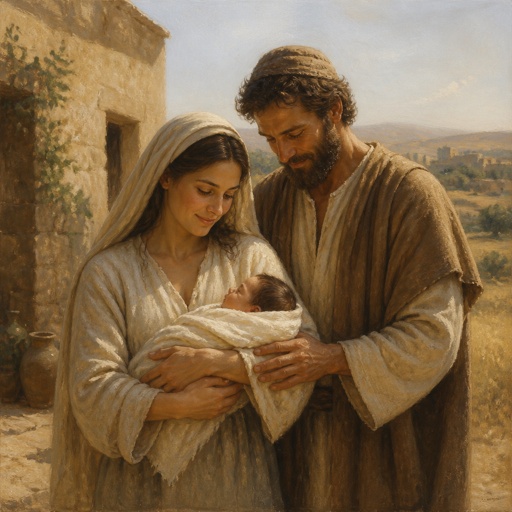
"¶ So Boaz took Ruth, and she was his wife: and when he went in unto her, the LORD gave her conception, and she bare a son." - Ruth 4:13

Ruth 4:14 - "And the women said unto Naomi, Blessed be the LORD, which hath not left thee this day without a kinsman, that his name may be famous in Israel."

Ruth 4:17 - "And the women her neighbours gave it a name, saying, There is a son born to Naomi; and they called his name Obed: he is the father of Jesse, the father of David."

Ruth 4:4 - "And I thought to advertise thee, saying, Buy it before the inhabitants, and before the elders of my people. If thou wilt redeem it, redeem it: but if thou wilt not redeem it, then tell me, that I may know: for there is none to redeem it beside thee; and I am after thee. And he said, I will redeem it."

Ruth 4:12 - "And let thy house be like the house of Pharez, whom Tamar bare unto Judah, of the seed which the LORD shall give thee of this young woman."

Ruth 4:9 - "¶ And Boaz said unto the elders, and unto all the people, Ye are witnesses this day, that I have bought all that was Elimelech's, and all that was Chilion's and Mahlon's, of the hand of Naomi."
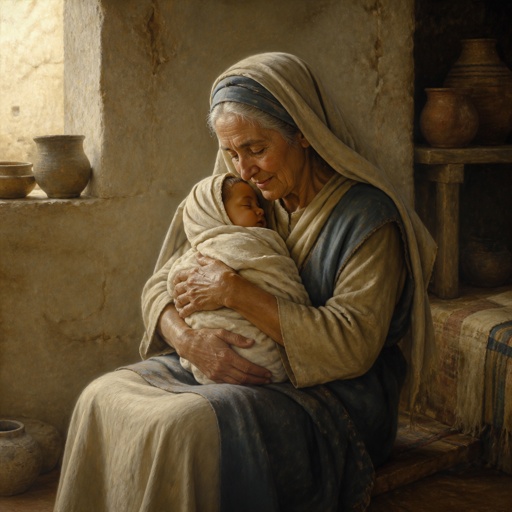
"And Naomi took the child, and laid it in her bosom, and became nurse unto it." - Ruth 4:16

Ruth 4:6 - "¶ And the kinsman said, I cannot redeem it for myself, lest I mar mine own inheritance: redeem thou my right to thyself; for I cannot redeem it."

Ruth 4:7 - "Now this was the manner in former time in Israel concerning redeeming and concerning changing, for to confirm all things; a man plucked off his shoe, and gave it to his neighbour: and this was a testimony in Israel."