Legacy in Redemption: Lessons from Ruth 4:12
"And let thy house be like the house of Pharez, whom Tamar bare unto Judah, of the seed which the LORD shall give thee of this young woman." - Ruth 4:12
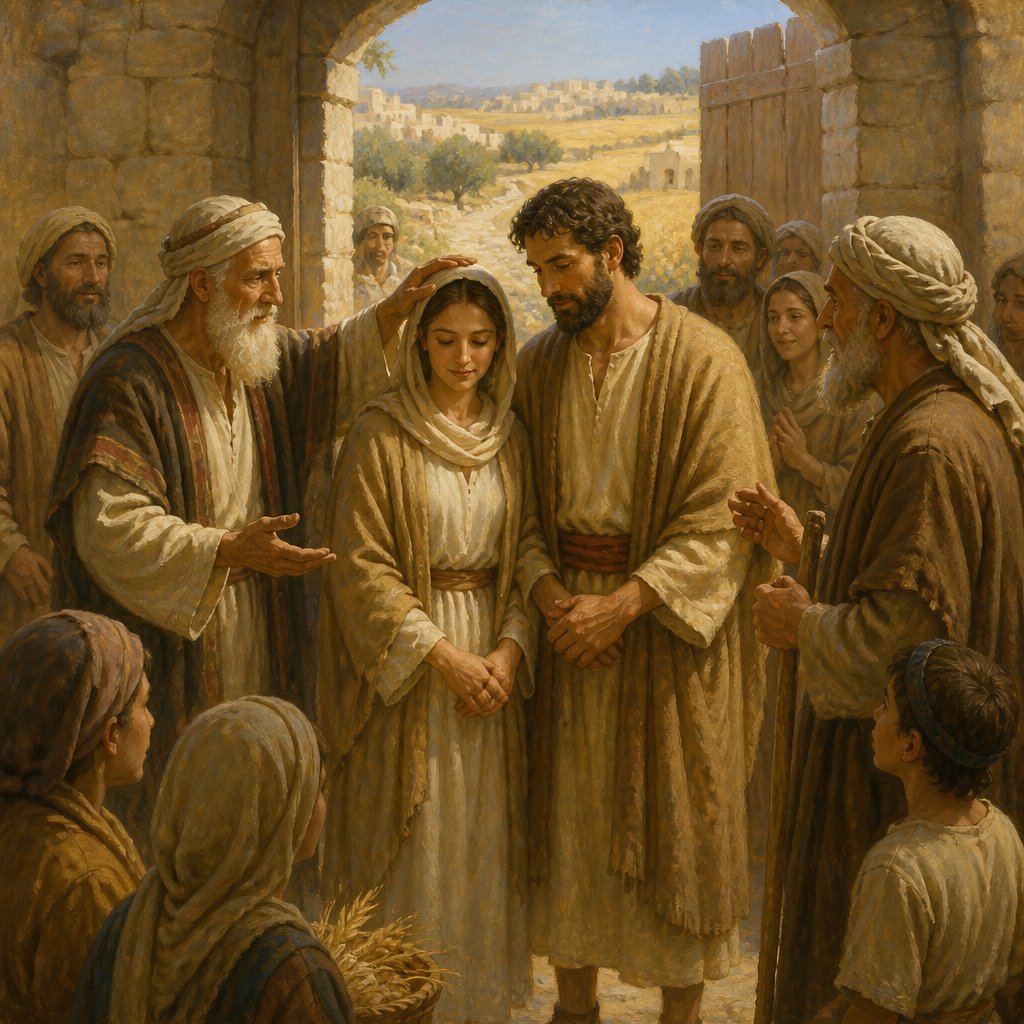
The book of Ruth is an extraordinary narrative that captures the essence of loyalty, love, and divine providence. In Ruth 4:12, we find a poignant blessing: "And let thy house be like the house of Pharez, whom Tamar bare unto Judah, of the seed which the LORD shall give thee of this young woman." At first glance, this verse may seem to speak only of lineage, but it echoes a deeper message of redemption, legacy, and God’s grace through imperfect circumstances.
To fully embrace the significance of this blessing, we must first appreciate the context and the characters involved. Ruth, a Moabite widow, affirms her loyalty to her Jewish mother-in-law, Naomi, after the loss of their husbands. In a cultural setting where loyalty waned, Ruth’s commitment is a testament to selflessness and faith. Her journey back to Bethlehem, her acceptance into the community, and ultimately her marriage to Boaz are all part of God’s intricate plan for redemption.
The mention of Pharez, the son of Tamar and Judah, is intentional and loaded with meaning. Tamar’s story is one filled with struggle and actions that raise questions about morality and righteousness. She, too, was a widow who sought to secure her legacy through unconventional means—disguising herself to conceive a child with her father-in-law Judah. Pharez was born from that complex and sometimes contentious situation, yet he became part of the lineage of King David and, ultimately, our Savior, Jesus Christ.
What can we glean from the historical and theological weight of this blessing? First, we observe that God accomplishes His purposes through flawed individuals and unexpected circumstances. Ruth, a foreigner, is not just integrated into Israel’s genealogy; she is celebrated for her faithfulness. Her legacy dwarfs her origins. As believers, we are reminded that our past does not determine our future; it is our faith in God and our actions of love that shape our legacy.
Next, we reflect on the power of community and divine favor. The elders of Bethlehem proclaimed this blessing as they witnessed Boaz step into the role of kinsman-redeemer. They recognized Ruth not only as a woman but as a gift to the community. In the same way, our contributions to our families, churches, and communities matter. Like Boaz, we are called to be affirming, protective, and generous towards those around us, especially the vulnerable.
The phrase "of the seed which the LORD shall give thee" reminds us that every legacy begins with a promise. In our walks of faith, we may face uncertainties and challenges. Yet, God assures us of His providence and blessing. The seeds that we plant today—through acts of kindness, faithfulness, and integrity—will yield a harvest that transcends our immediate understanding. God is at work in the tapestry of our lives, weaving together the stories of our past, present, and future into His redemptive narrative.
Lastly, we must internalize the call to honor our spiritual legacies. Just as Pharez’s house is mentioned as a legacy of triumph and blessing, so are we invited to leave behind a testimony of faith. Our lives should reflect the nature of God’s love, grace, and mercy. We ought to cultivate a spiritual lineage that points back to Christ, the ultimate Redeemer, who came from the line of Ruth and Boaz.
In conclusion, as we ponder Ruth 4:12, may we embrace our imperfect stories and trust in God’s redemptive work. Let us find hope in the fact that our legacy — be it through the choices we make, the relationships we foster, or the communities we serve — can take root and flourish, reflecting the beauty and grace of God’s plan for our lives.
Through this lens, let us commit ourselves to being vessels of grace, ensuring that our houses mirror the promise and blessing of a fruitful legacy in the Lord.
Want to reflect more on Ruth 4:12?
Continue your spiritual journey with Bible Chat — an AI-powered tool for exploring God's Word through conversation. Ask questions, discover connections, and deepen your understanding.
Get Our Apps


Ruth 4:12 Artwork

Ruth 4:12 - "And let thy house be like the house of Pharez, whom Tamar bare unto Judah, of the seed which the LORD shall give thee of this young woman."
"And let thy house be like the house of Pharez, whom Tamar bare unto Judah, of the seed which the LORD shall give thee of this young woman." - Ruth 4:12

Ruth 1:4 - "And they took them wives of the women of Moab; the name of the one was Orpah, and the name of the other Ruth: and they dwelled there about ten years."

Ruth 4:13 - "¶ So Boaz took Ruth, and she was his wife: and when he went in unto her, the LORD gave her conception, and she bare a son."

Ruth 4:18 - "¶ Now these are the generations of Pharez: Pharez begat Hezron,"

Ruth 4:20 - "And Amminadab begat Nahshon, and Nahshon begat Salmon,"

Ruth 4:21 - "And Salmon begat Boaz, and Boaz begat Obed,"

Ruth 4:19 - "And Hezron begat Ram, and Ram begat Amminadab,"

Ruth 4:22 - "And Obed begat Jesse, and Jesse begat David."

Ruth 4:5 - "Then said Boaz, What day thou buyest the field of the hand of Naomi, thou must buy it also of Ruth the Moabitess, the wife of the dead, to raise up the name of the dead upon his inheritance."

Ruth 4:16 - "And Naomi took the child, and laid it in her bosom, and became nurse unto it."

Ruth 3:12 - "And now it is true that I am thy near kinsman: howbeit there is a kinsman nearer than I."

Ruth 4:10 - "Moreover Ruth the Moabitess, the wife of Mahlon, have I purchased to be my wife, to raise up the name of the dead upon his inheritance, that the name of the dead be not cut off from among his brethren, and from the gate of his place: ye are witnesses this day."
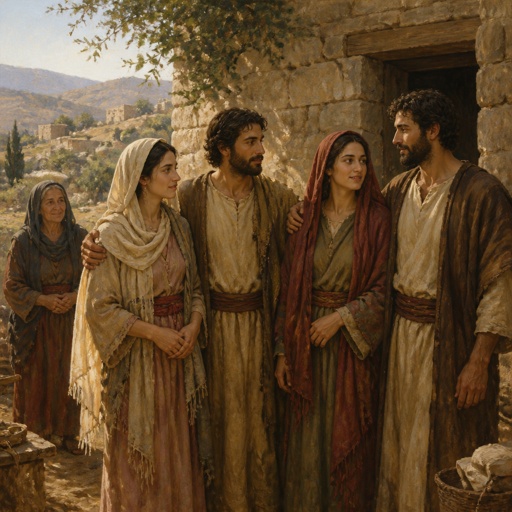
"And they took them wives of the women of Moab; the name of the one was Orpah, and the name of the other Ruth: and they dwelled there about ten years." - Ruth 1:4

Ruth 4:8 - "Therefore the kinsman said unto Boaz, Buy it for thee. So he drew off his shoe."

Ruth 4:2 - "And he took ten men of the elders of the city, and said, Sit ye down here. And they sat down."
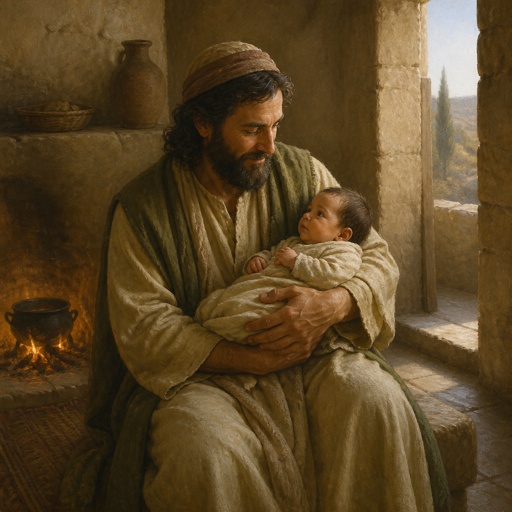
"¶ Now these are the generations of Pharez: Pharez begat Hezron," - Ruth 4:18
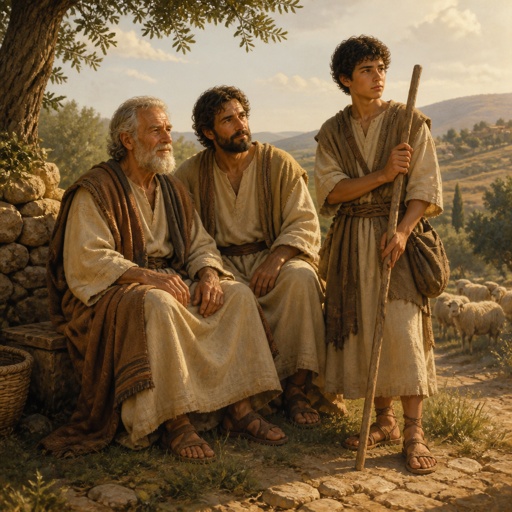
"And Obed begat Jesse, and Jesse begat David." - Ruth 4:22
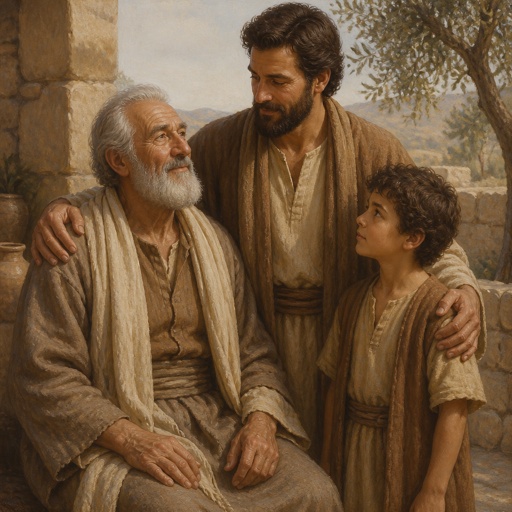
"And Hezron begat Ram, and Ram begat Amminadab," - Ruth 4:19
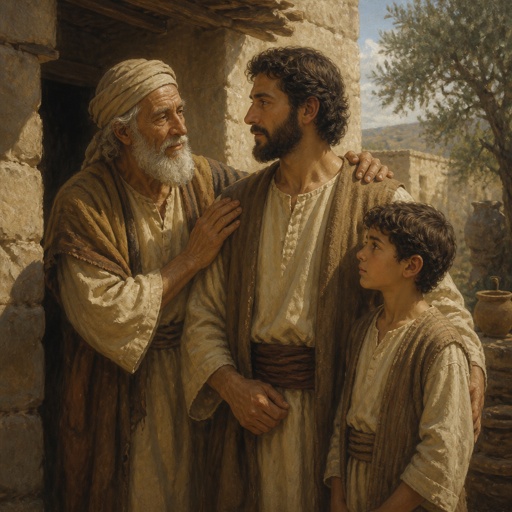
"And Amminadab begat Nahshon, and Nahshon begat Salmon," - Ruth 4:20
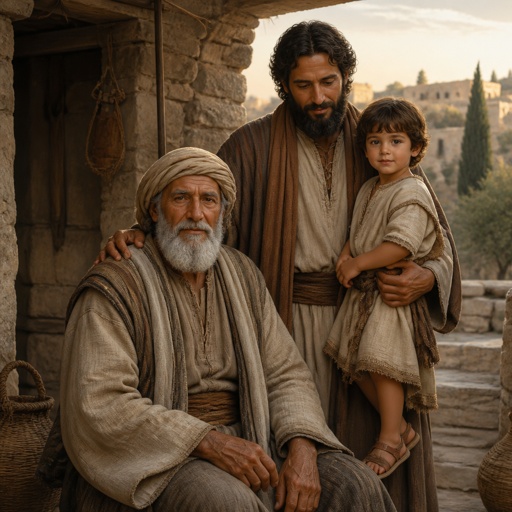
"And Salmon begat Boaz, and Boaz begat Obed," - Ruth 4:21

Ruth 2:12 - "The LORD recompense thy work, and a full reward be given thee of the LORD God of Israel, under whose wings thou art come to trust."
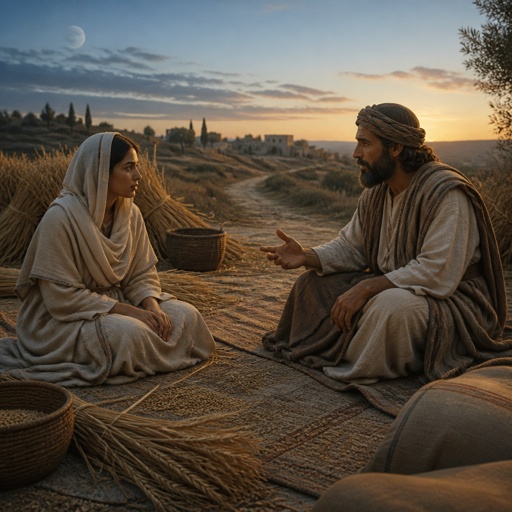
"And now it is true that I am thy near kinsman: howbeit there is a kinsman nearer than I." - Ruth 3:12

Ruth 2:4 - "¶ And, behold, Boaz came from Beth-lehem, and said unto the reapers, The LORD be with you. And they answered him, The LORD bless thee."

Ruth 4:3 - "And he said unto the kinsman, Naomi, that is come again out of the country of Moab, selleth a parcel of land, which was our brother Elimelech's:"
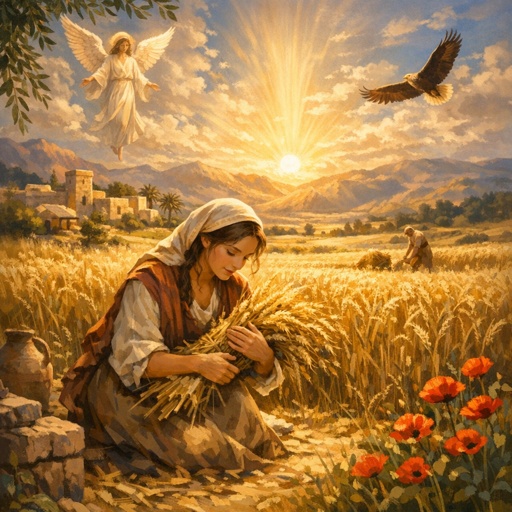
"The LORD recompense thy work, and a full reward be given thee of the LORD God of Israel, under whose wings thou art come to trust." - Ruth 2:12
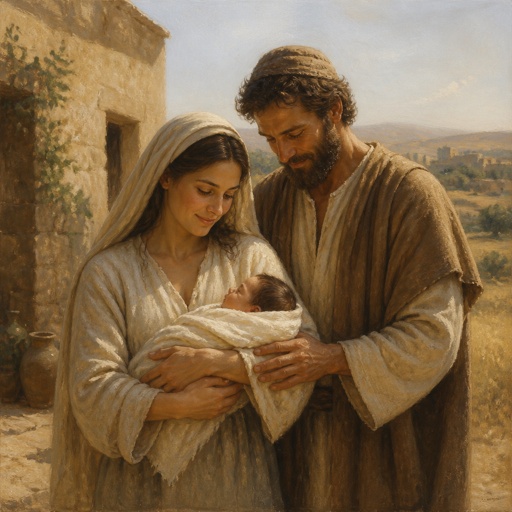
"¶ So Boaz took Ruth, and she was his wife: and when he went in unto her, the LORD gave her conception, and she bare a son." - Ruth 4:13

Ruth 4:14 - "And the women said unto Naomi, Blessed be the LORD, which hath not left thee this day without a kinsman, that his name may be famous in Israel."

Ruth 4:17 - "And the women her neighbours gave it a name, saying, There is a son born to Naomi; and they called his name Obed: he is the father of Jesse, the father of David."

Ruth 4:4 - "And I thought to advertise thee, saying, Buy it before the inhabitants, and before the elders of my people. If thou wilt redeem it, redeem it: but if thou wilt not redeem it, then tell me, that I may know: for there is none to redeem it beside thee; and I am after thee. And he said, I will redeem it."