When Famines Lead Us to Fateful Choices
"Now it came to pass in the days when the judges ruled, that there was a famine in the land. And a certain man of Beth-lehem-judah went to sojourn in the country of Moab, he, and his wife, and his two sons." - Ruth 1:1
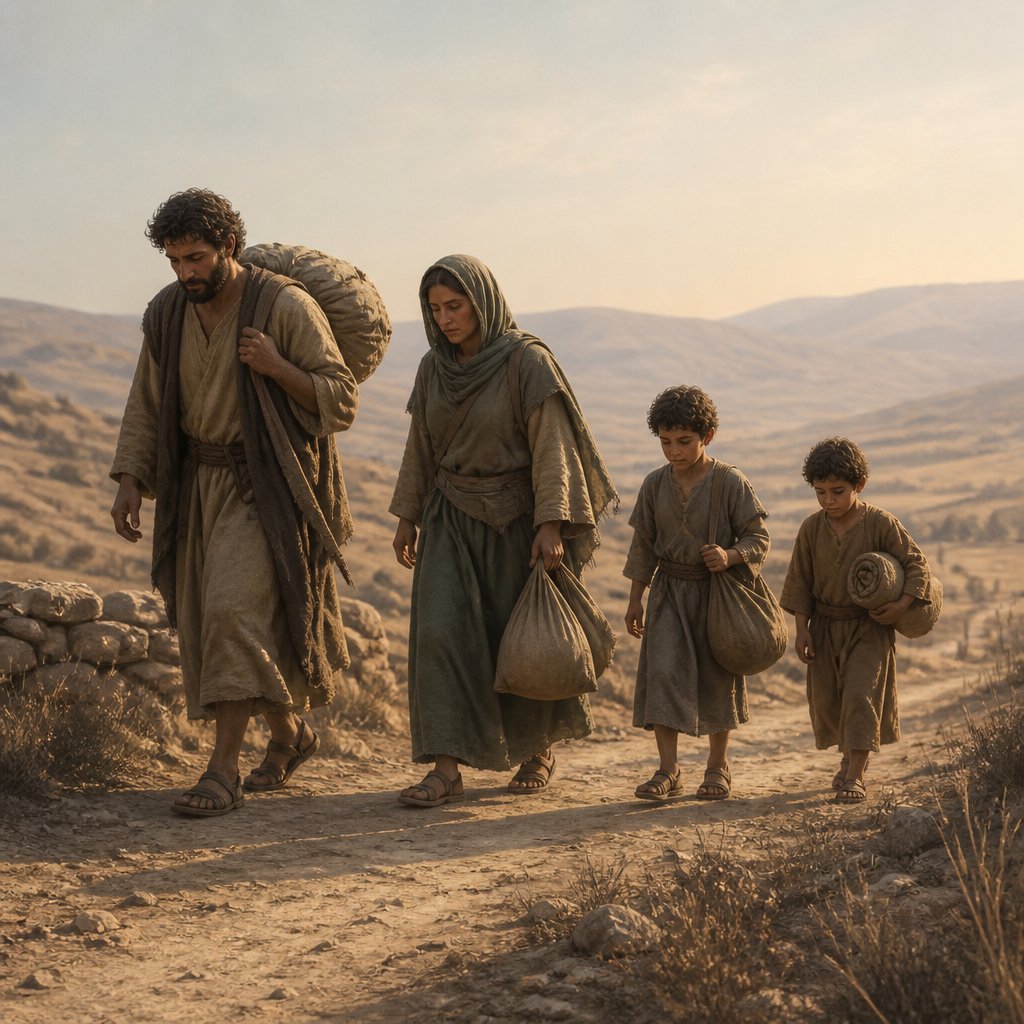
The opening verse of the Book of Ruth sets the stage for a profound story of loss, love, and redemption: "Now it came to pass in the days when the judges ruled, that there was a famine in the land. And a certain man of Beth-lehem-judah went to sojourn in the country of Moab, he, and his wife, and his two sons" (Ruth 1:1 KJV). This single verse, seemingly innocuous at first glance, unfolds layers of meaning and significance that invite us to reflect deeply on our lives and the choices we make in times of crisis.
In this narrative, we encounter a world marked by instability—much like our own. The phrase "in the days when the judges ruled" evokes a period rife with moral ambiguity and lawlessness. The nation of Israel had turned away from God, leading to cycles of sin, oppression, and suffering. It was within this context of spiritual and social turmoil that a famine struck. Famine represents not only a physical deprivation of sustenance but also a spiritual barrenness that permeated society. When faced with scarcity, people are often driven by desperation, compelling them to make decisions they might not normally consider.
The man from Bethlehem, Elimelech, rationalized his choice to move his family to Moab—a foreign land with its own set of challenges. The name Bethlehem means “house of bread,” which makes the famine there even more heart-wrenching. It symbolizes the paradox of seeking sustenance in a place that, while promising relief (Moab), was also synonymous with the enemies of Israel. This reality raises critical questions about where we turn for refuge when we encounter famine in our own lives. Do we trust in God’s provision, or do we look for immediate solutions that may lead us away from Him?
Elimelech's decision is a reminder of how easy it can be to compromise our values during difficult times. The journey to Moab is not merely physical; it represents a spiritual journey away from God’s promised land. It is tempting to abandon our convictions when faced with hardship, leading us to seek solutions outside the will of God. How often do we find ourselves contemplating similar decisions in our own lives—shopping for quick fixes or relief that ultimately pulls us from our spiritual roots?
The story of Ruth teaches us that our circumstances do not define us; rather, it is our responses to those circumstances that shape our destinies. Elimelech's choice to leave Bethlehem set off a chain of events that led to tragedy: the death of his wife Naomi and his sons while in Moab. Families can be impacted significantly by the choices we make in moments of distress. Decisions made in haste can lead to consequences that ripple beyond our own lives, affecting those closest to us.
Yet, there is a glimmer of hope woven throughout this story. Despite suffering the loss of her husband and sons, Naomi, who remains, resolves to return to Bethlehem, the house of bread. This decision signifies repentance and an understanding that true sustenance comes from God alone. It’s a beautiful reminder that while we may stray, there is always the opportunity for redemption. God welcomes back those who turn to Him even after wandering away.
Every reader of Ruth is invited to think deeply about where they seek refuge during famines—both physical and spiritual. Are we moving toward nourishment and life, or are we tempted to leave behind our source of strength? In times of crisis, may we echo Naomi’s choice to return to our spiritual roots. Herein lies our hope: just as Ruth becomes a vital part of God’s redemptive plan, so too can our choices lead to unforeseen blessings if they align with His will.
In conclusion, Ruth 1:1 serves as a poignant reminder of the importance of our choices amid famine. As we navigate our own seasons of scarcity, let us lean into God’s provision, trust His promises, and choose the path that leads us closer to the house of bread.
Want to reflect more on Ruth 1:1?
Continue your spiritual journey with Bible Chat — an AI-powered tool for exploring God's Word through conversation. Ask questions, discover connections, and deepen your understanding.
Get Our Apps


Ruth 1:1 Artwork

Ruth 1:1 - "Now it came to pass in the days when the judges ruled, that there was a famine in the land. And a certain man of Beth-lehem-judah went to sojourn in the country of Moab, he, and his wife, and his two sons."

Ruth 1:1-5 - "In the days when the judges ruled, there was a famine in the land. So a man from Bethlehem in Judah, together with his wife and two sons, went to live for a while in the country of Moab. The man's name was Elimelek, his wife's name was Naomi, and the names of his two sons were Mahlon and Kilion. They were Ephrathites from Bethlehem, Judah. And they went to Moab and lived there. Now Elimelek, Naomi's husband, died, and she was left with her two sons. They married Moabite women, one named Orpah and the other Ruth. After they had lived there about ten years, both Mahlon and Kilion also died, and Naomi was left without her two sons and her husband."
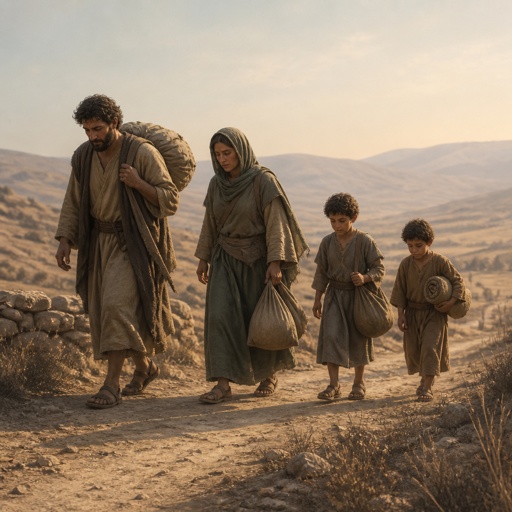
"Now it came to pass in the days when the judges ruled, that there was a famine in the land. And a certain man of Beth-lehem-judah went to sojourn in the country of Moab, he, and his wife, and his two sons." - Ruth 1:1
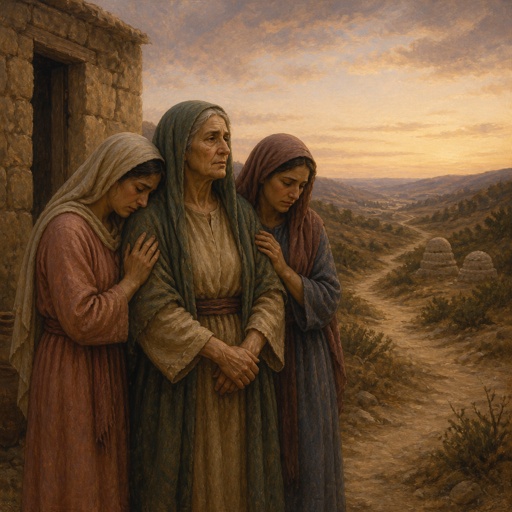
"In the days when the judges ruled, there was a famine in the land. So a man from Bethlehem in Judah, together with his wife and two sons, went to live for a while in the country of Moab. The man's name was Elimelek, his wife's name was Naomi, and the names of his two sons were Mahlon and Kilion. They were Ephrathites from Bethlehem, Judah. And they went to Moab and lived there. Now Elimelek, Naomi's husband, died, and she was left with her two sons. They married Moabite women, one named Orpah and the other Ruth. After they had lived there about ten years, both Mahlon and Kilion also died, and Naomi was left without her two sons and her husband." - Ruth 1:1-5

ruth, the loyal daughter

Ruth 1:14 - "And they lifted up their voice, and wept again: and Orpah kissed her mother in law; but Ruth clave unto her."

Ruth 1:4 - "And they took them wives of the women of Moab; the name of the one was Orpah, and the name of the other Ruth: and they dwelled there about ten years."

Ruth 1:22 - "So Naomi returned, and Ruth the Moabitess, her daughter in law, with her, which returned out of the country of Moab: and they came to Beth-lehem in the beginning of barley harvest."

Ruth 1:3 - "And Elimelech Naomi's husband died; and she was left, and her two sons."

Ruth 1:10 - "And they said unto her, Surely we will return with thee unto thy people."

Matthew 1:5 - "And Salmon begat Booz of Rachab; and Booz begat Obed of Ruth; and Obed begat Jesse;"

Ruth 3:1 - "Then Naomi her mother in law said unto her, My daughter, shall I not seek rest for thee, that it may be well with thee?"

Ruth 1:16 - "And Ruth said, Intreat me not to leave thee, or to return from following after thee: for whither thou goest, I will go; and where thou lodgest, I will lodge: thy people shall be my people, and thy God my God:"

Ruth 1:18 - "When she saw that she was stedfastly minded to go with her, then she left speaking unto her."

Ruth 1:5 - "And Mahlon and Chilion died also both of them; and the woman was left of her two sons and her husband."

Ruth 2:1 - "And Naomi had a kinsman of her husband's, a mighty man of wealth, of the family of Elimelech; and his name was Boaz."
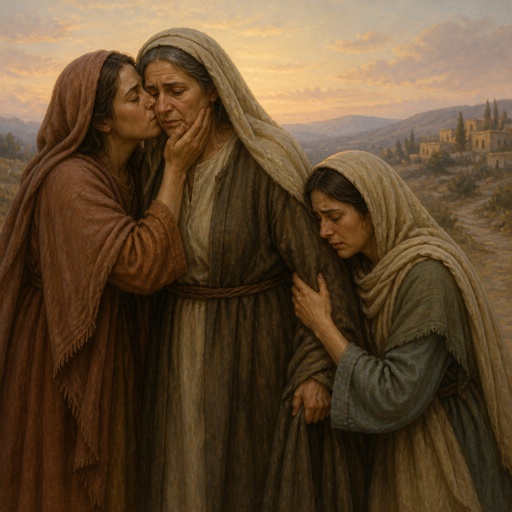
"And they lifted up their voice, and wept again: and Orpah kissed her mother in law; but Ruth clave unto her." - Ruth 1:14
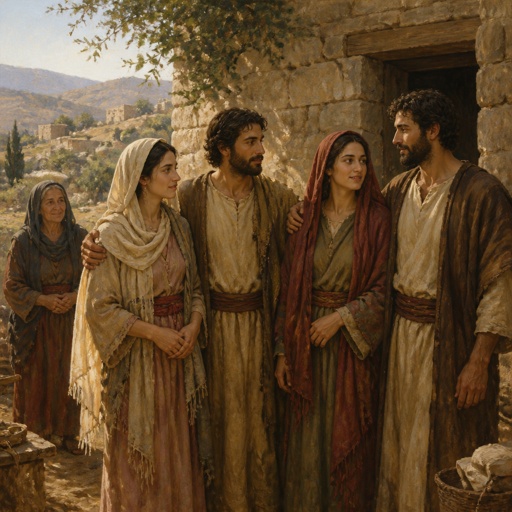
"And they took them wives of the women of Moab; the name of the one was Orpah, and the name of the other Ruth: and they dwelled there about ten years." - Ruth 1:4

Ruth 1:20 - "And she said unto them, Call me not Naomi, call me Mara: for the Almighty hath dealt very bitterly with me."

Ruth 1:17 - "Where thou diest, will I die, and there will I be buried: the LORD do so to me, and more also, if ought but death part thee and me."

Ruth 1:11 - "And Naomi said, Turn again, my daughters: why will ye go with me? are there yet any more sons in my womb, that they may be your husbands?"

Ruth 1:7 - "Wherefore she went forth out of the place where she was, and her two daughters in law with her; and they went on the way to return unto the land of Judah."

Ruth 1:9 - "The LORD grant you that ye may find rest, each of you in the house of her husband. Then she kissed them; and they lifted up their voice, and wept."

Ruth 1:15 - "And she said, Behold, thy sister in law is gone back unto her people, and unto her gods: return thou after thy sister in law."
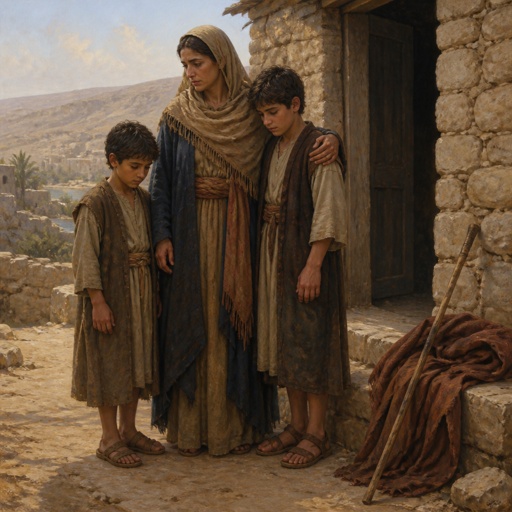
"And Elimelech Naomi's husband died; and she was left, and her two sons." - Ruth 1:3

Ruth 1:19 - "¶ So they two went until they came to Beth-lehem. And it came to pass, when they were come to Beth-lehem, that all the city was moved about them, and they said, Is this Naomi?"

Ruth 1:2 - "And the name of the man was Elimelech, and the name of his wife Naomi, and the name of his two sons Mahlon and Chilion, Ephrathites of Beth-lehem-judah. And they came into the country of Moab, and continued there."
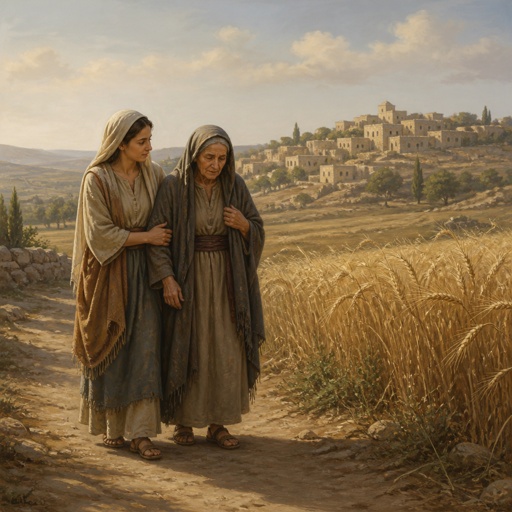
"So Naomi returned, and Ruth the Moabitess, her daughter in law, with her, which returned out of the country of Moab: and they came to Beth-lehem in the beginning of barley harvest." - Ruth 1:22

Ruth 1:8 - "And Naomi said unto her two daughters in law, Go, return each to her mother's house: the LORD deal kindly with you, as ye have dealt with the dead, and with me."
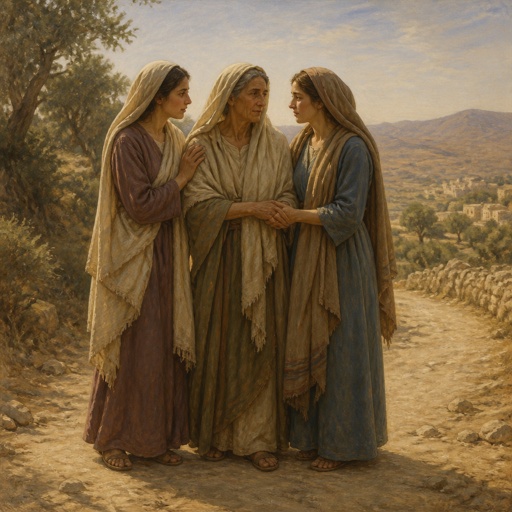
"And they said unto her, Surely we will return with thee unto thy people." - Ruth 1:10