The True Israel: Understanding Our Spiritual Identity in God
"Not as though the word of God hath taken none effect. For they are not all Israel, which are of Israel:" - Romans 9:6

The Apostle Paul presents a profound statement in Romans 9:6 that challenges our concept of identity and belonging in the Kingdom of God. The verse reads: "Not as though the word of God hath taken none effect. For they are not all Israel, which are of Israel." At first glance, this may appear confusing, but this scripture has significant implications for understanding God's promises and our relationship with Him.
To grasp the depth of this statement, we must delve into the context of Paul's writing. In the preceding verses, he expresses a deep sorrow for his fellow Israelites who have not accepted Christ as the Messiah. Paul desires for his kinsmen according to the flesh to recognize the fulfillment of God’s promises in Jesus. However, he acknowledges a sobering truth: not everyone who is a descendant of Abraham is a true recipient of God’s promises.
This line of thought underscores a theological distinction that Paul elaborates on throughout his epistle. While Israel stands as a nation chosen by God, Paul argues that the true Israel is defined by faith rather than ethnicity. This reality was revolutionary, especially for the early Jewish Christians who struggled with the idea that Gentiles could partake in the blessings of God without adhering to the Jewish law.
Paul emphasizes that being part of God's chosen people is not merely about physical lineage but rather a spiritual relationship with Him defined by faith in Christ. In Galatians 3:29, Paul further supports this idea, saying, "And if ye be Christ's, then are ye Abraham's seed, and heirs according to the promise." This demonstrates that faith in Christ positions believers—regardless of their earthly heritage—as children of God.
Thus, Romans 9:6 invites us into a deeper reflection on our own identities. In a society that often emphasizes racial, cultural, or social identities as determinants of belonging, we are reminded that our true identity in God's Kingdom is predicated upon our relationship with Christ. To be "in Christ" means we are integral parts of the larger narrative of salvation that God orchestrated from the beginning of time.
Consider the implications of this truth for our lives today. Many individuals struggle with feelings of inadequacy or exclusion based on their backgrounds. Some feel disconnected from church communities due to their past, family history, or societal standing. The beautiful message in Romans 9:6 is that God sees beyond our physical ancestry; He looks directly at the heart. We are invited to belong to the true Israel by placing our faith in Jesus Christ, who redefines our relationship with God.
Furthermore, this scripture compels us to reflect on our actions and attitudes toward others within our faith communities. Are we welcoming, or do we create barriers based on preconceived notions of who belongs? As followers of Christ, we are called to embrace everyone who comes to faith, just as we have been embraced.
Let us also be vigilant not to take God's word for granted, assuming that it does not apply to us. Paul argues that just because some of the Israelites missed recognizing their Messiah does not negate the effectiveness of God's promises. In our walks of faith, it can be easy to doubt or feel that God’s word is ineffective when circumstances do not align with our understanding. This verse assures us that God’s word is powerful and true; His promises endure, regardless of our doubts and struggles.
As you reflect on Romans 9:6 today, remember that you are part of the true Israel when you place your faith in Christ. Let that truth resonate within you, encourage you in your walk, and inspire you to be a beacon of love and acceptance to those around you. You belong to a grand narrative that speaks to God’s redeeming love, endless grace, and unending faithfulness.
Want to reflect more on Romans 9:6?
Continue your spiritual journey with Bible Chat — an AI-powered tool for exploring God's Word through conversation. Ask questions, discover connections, and deepen your understanding.
Get Our Apps


Romans 9:6 Artwork

Romans 9:6 - "Not as though the word of God hath taken none effect. For they are not all Israel, which are of Israel:"

"Not as though the word of God hath taken none effect. For they are not all Israel, which are of Israel:" - Romans 9:6

Romans 6:9 - "Knowing that Christ being raised from the dead dieth no more; death hath no more dominion over him."

Romans 10:9

Romans 10:9

Romans 6:8-9 - "Now if we died with Christ, we believe that we will also live with him. For we know that since Christ was raised from the dead, he cannot die again; death no longer has mastery over him."

Romans 8:6

Romans 6:23

Romans 6:23

Romans 9:9 - "For this is the word of promise, At this time will I come, and Sara shall have a son."
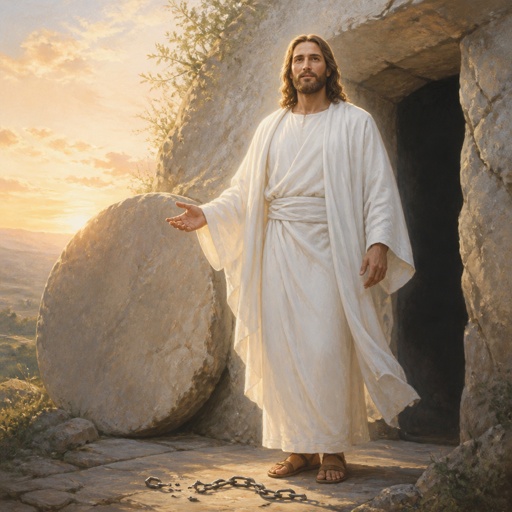
"Knowing that Christ being raised from the dead dieth no more; death hath no more dominion over him." - Romans 6:9

Romans 6:7 - "For he that is dead is freed from sin."

Romans 9:12 - "It was said unto her, The elder shall serve the younger."

Romans 9:14 - "What shall we say then? Is there unrighteousness with God? God forbid."

Romans 2:6 - "Who will render to every man according to his deeds:"

Romans 6:6 - "Knowing this, that our old man is crucified with him, that the body of sin might be destroyed, that henceforth we should not serve sin."

Romans 8:6 - "For to be carnally minded is death; but to be spiritually minded is life and peace."

Romans 16:6 - "Greet Mary, who bestowed much labour on us."

Romans 3:6 - "God forbid: for then how shall God judge the world?"

Romans 1:6 - "Among whom are ye also the called of Jesus Christ:"

Romans 16:9 - "Salute Urbane, our helper in Christ, and Stachys my beloved."

Romans 9:2 - "That I have great heaviness and continual sorrow in my heart."

Romans 9:8 - "That is, They which are the children of the flesh, these are not the children of God: but the children of the promise are counted for the seed."

Romans 9:32 - "Wherefore? Because they sought it not by faith, but as it were by the works of the law. For they stumbled at that stumblingstone;"

Romans 9:13 - "As it is written, Jacob have I loved, but Esau have I hated."

Romans 9:16 - "So then it is not of him that willeth, nor of him that runneth, but of God that sheweth mercy."

Romans 6:18 - "Being then made free from sin, ye became the servants of righteousness."

Romans 12:9 - "Let love be without dissimulation. Abhor that which is evil; cleave to that which is good."

Romans 9:31 - "But Israel, which followed after the law of righteousness, hath not attained to the law of righteousness."

Romans 9:24 - "Even us, whom he hath called, not of the Jews only, but also of the Gentiles?"