The Sovereignty of God and Human Responsibility: A Divine Paradox
"Thou wilt say then unto me, Why doth he yet find fault? For who hath resisted his will?" - Romans 9:19
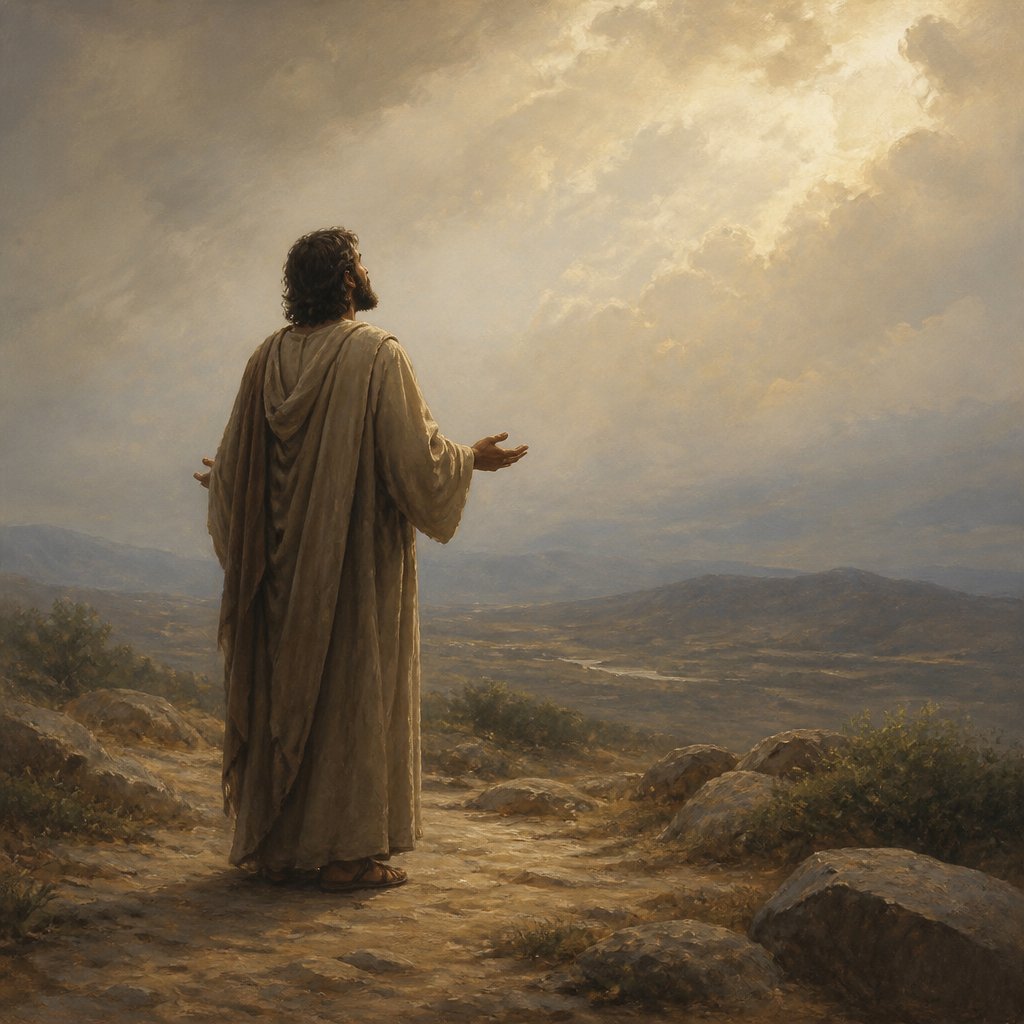
Romans 9:19 states, "Thou wilt say then unto me, Why doth he yet find fault? For who hath resisted his will?" This verse draws us into a profound discussion about the relationship between divine sovereignty and human responsibility. As believers, it is essential to explore the implications of God's sovereign will alongside our human choices.
When we consider the sovereignty of God, we affirm that He is the ultimate authority, Creator, and ruler of all. In the context of Romans 9, the Apostle Paul addresses the Israelites’ concerns regarding God’s choices and His seeming favoritism towards certain individuals or nations. The rhetorical questions raised in this verse reflect a human wrestle with the tension between God's will and our understanding of justice and fault. It begs the question: if God is sovereign, how can we be held accountable for our actions?
First, we must understand that God's sovereignty does not negate human responsibility. Just as a potter has the right to shape the clay as he pleases, so too does God have the right to choose whom He will bless, and He has done so according to His divine purposes. Yet, this divine craftsmanship does not remove the pot’s responsibility. Each vessel, whether made for glory or dishonor, still has its role to play within God's grand design.
In Ephesians 1:11, we read that God "worketh all things after the counsel of his own will." This realization is both humbling and awe-inspiring. God orchestrates every detail according to His wisdom, yet He invites us into His plans and purposes. The mystery of faith is that, while we may be clay in the hands of the Potter, we are still capable of genuine choices that reflect our love for Him and our fellow human beings.
The question posed by Paul, “Who hath resisted his will?” must also be evaluated through the lens of Scripture. Throughout the Bible, we see individuals making choices that seem to resist God’s will, yet these choices do not obstruct God's ultimate plan. For instance, in the story of Joseph (Genesis 50:20), his brothers sold him into slavery out of jealousy; however, what they intended for evil, God intended for good. This reminds us that God’s sovereignty does not mean we are robots, but rather He allows human will to operate within the framework of His purposes.
Moving further into the implications of this verse, we must confront the idea of accountability. If God has a will and we possess choices, how do we reconcile Allah being fully aware of our paths? Paul’s discourse in Romans 9 challenges us to reflect on our viewpoints about justice and mercy. He elaborates in verses 15-16, stating, "For he saith to Moses, I will have mercy on whom I will have mercy, and I will have compassion on whom I will have compassion. So then it is not of him that willeth, nor of him that runneth, but of God that sheweth mercy."
This reflection calls us to a deeper understanding of the mystery of faith. While we are called to act according to our convictions, we also surrender our understanding of fairness and justice to the divine judgment of God. Trusting in God’s sovereignty means accepting that His ways are higher than our ways, and His understanding is beyond our comprehension (Isaiah 55:8-9). When we experience suffering or injustice, we often default to the question, "Why?" This stance reveals a heart that is struggling to reconcile the divine good with human hardship.
As we contemplate Romans 9:19, let us seek to embrace the divine paradox of God’s sovereignty and human responsibility. Rather than viewing ourselves as passive players in a predetermined script, we should understand our lives as an active partnership with God, participating in His unfolding story. Let us learn to trust in His divine decisions, knowing He is wise and just, while engaging fully in our responsibility to love God and others, pursue righteousness, and fulfill the callings He has placed upon our lives.
In conclusion, let us pray for wisdom to navigate the mysteries of God’s will and grace, acknowledging both His sovereignty and our responsibility in this life. May we respond to God’s call with faith, surrender and active obedience.
Want to reflect more on Romans 9:19?
Continue your spiritual journey with Bible Chat — an AI-powered tool for exploring God's Word through conversation. Ask questions, discover connections, and deepen your understanding.
Get Our Apps


Romans 9:19 Artwork

Romans 9:19 - "Thou wilt say then unto me, Why doth he yet find fault? For who hath resisted his will?"
"Thou wilt say then unto me, Why doth he yet find fault? For who hath resisted his will?" - Romans 9:19

Romans 9:19-26 - "You will say to me then, “Why does he still find fault? For who can resist his will?” But who are you, O man, to answer back to God? Will what is molded say to its molder, “Why have you made me like this?” Has the potter no right over the clay, to make out of the same lump one vessel for honorable use and another for dishonorable use? What if God, desiring to show his wrath and to make known his power, has endured with much patience vessels of wrath prepared for destruction, in order to make known the riches of his glory for vessels of mercy, which he has prepared beforehand for glory— even us whom he has called, not from the Jews only but also from the Gentiles? As indeed he says in Hosea, “Those who were not my people I will call ‘my people,’ and her who was not beloved I will call ‘beloved.’” “And in the very place where it was said to them, ‘You are not my people,’ there they will be called ‘sons of the living God.’”"
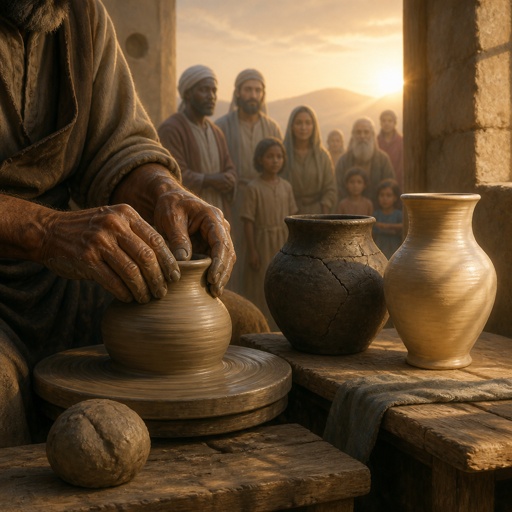
"You will say to me then, “Why does he still find fault? For who can resist his will?” But who are you, O man, to answer back to God? Will what is molded say to its molder, “Why have you made me like this?” Has the potter no right over the clay, to make out of the same lump one vessel for honorable use and another for dishonorable use? What if God, desiring to show his wrath and to make known his power, has endured with much patience vessels of wrath prepared for destruction, in order to make known the riches of his glory for vessels of mercy, which he has prepared beforehand for glory— even us whom he has called, not from the Jews only but also from the Gentiles? As indeed he says in Hosea, “Those who were not my people I will call ‘my people,’ and her who was not beloved I will call ‘beloved.’” “And in the very place where it was said to them, ‘You are not my people,’ there they will be called ‘sons of the living God.’”" - Romans 9:19-26

Romans 7:19

Romans 5:19

Romans 8:19

Romans 8:19

Romans 5:19

Romans 10:9

Romans 10:9

Romans 9:9 - "For this is the word of promise, At this time will I come, and Sara shall have a son."

Romans 8:19 - "For the earnest expectation of the creature waiteth for the manifestation of the sons of God."

Romans 11:19 - "Thou wilt say then, The branches were broken off, that I might be graffed in."

Romans 9:12 - "It was said unto her, The elder shall serve the younger."

Romans 2:19 - "And art confident that thou thyself art a guide of the blind, a light of them which are in darkness,"

Romans 7:19 - "For the good that I would I do not: but the evil which I would not, that I do."

Romans 9:14 - "What shall we say then? Is there unrighteousness with God? God forbid."

Romans 1:19 - "Because that which may be known of God is manifest in them; for God hath shewed it unto them."

Romans 16:9 - "Salute Urbane, our helper in Christ, and Stachys my beloved."

Romans 9:2 - "That I have great heaviness and continual sorrow in my heart."

Romans 9:8 - "That is, They which are the children of the flesh, these are not the children of God: but the children of the promise are counted for the seed."

Romans 9:32 - "Wherefore? Because they sought it not by faith, but as it were by the works of the law. For they stumbled at that stumblingstone;"

Romans 9:13 - "As it is written, Jacob have I loved, but Esau have I hated."

Romans 9:16 - "So then it is not of him that willeth, nor of him that runneth, but of God that sheweth mercy."

Romans 5:19 - "For as by one man's disobedience many were made sinners, so by the obedience of one shall many be made righteous."

Romans 12:9 - "Let love be without dissimulation. Abhor that which is evil; cleave to that which is good."

Romans 9:31 - "But Israel, which followed after the law of righteousness, hath not attained to the law of righteousness."

Romans 9:24 - "Even us, whom he hath called, not of the Jews only, but also of the Gentiles?"

Romans 9:6 - "Not as though the word of God hath taken none effect. For they are not all Israel, which are of Israel:"