Understanding God's Righteousness: Trusting in His Divine Wisdom
"What shall we say then? Is there unrighteousness with God? God forbid." - Romans 9:14
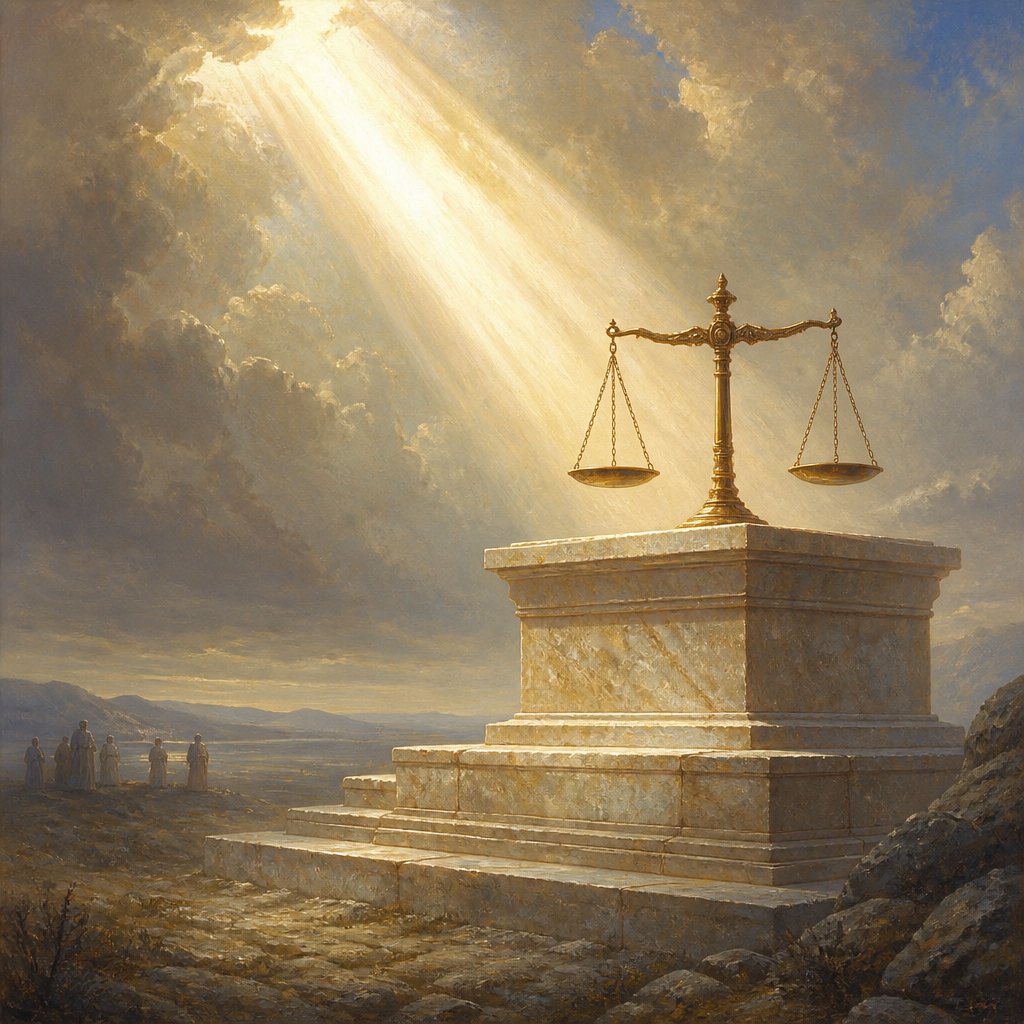
As we delve into Romans 9:14, we are confronted with a provocative question: "What shall we say then? Is there unrighteousness with God? God forbid." This verse compels us to grapple with the profound nature of God's righteousness, even when it seems obscured by the circumstances of our lives and the injustices we perceive in the world.
At first glance, the assertion that God is above unrighteousness appears self-evident within the Christian faith. However, the apostle Paul anticipates a natural question that arises in the hearts of believers and skeptics alike. This inquiry emerges from an honest wrestling with life’s realities, where we often witness suffering, inequality, and apparent favoritism in how God interacts with humanity. Paul’s emphatic response—"God forbid"—is deeply loaded. He insists that we must not entertain the notion that God, who is all-powerful and all-knowing, could embody unrighteousness in any form.
To understand this deeply, we must first acknowledge the context in which Paul is writing. Romans 9 is a pivotal chapter where Paul addresses the unexpected and often troubling issue of God’s sovereignty over Israel and the Gentiles. He speaks about God’s irrevocable decisions concerning whom He chooses for mercy and salvation. Paul reflects on the divine prerogative, reminding us that human understanding is limited compared to God’s divine plan.
Throughout Scripture, we see manifestations of God’s righteousness, especially in His faithfulness to His promises. Genesis 18:25 echoes the sentiment, where Abraham rightly asserts that the Judge of all the earth must do right. Our God is, and always will be, consistent with His character. He is holy, just, and righteous, forever establishing a standard that cannot waver. In this realization, we find comfort, especially when grappling with life’s unfairness.
One of the questions of our age is why some people seem to flourish while others suffer immensely. The existence of suffering and evil leads many to question the righteousness of God. Yet, Scripture assures us that these hardships do not compare to the glory that awaits those who trust in Him (Romans 8:18). In every instance of hardship, we must remember that God allows trials to test our faith, refine our character, and deepen our reliance on Him.
Furthermore, Paul emphasizes that God’s righteousness is displayed not just in His judgments but also in His mercy. Romans 9:15 states, "For he saith to Moses, I will have mercy on whom I will have mercy, and I will have compassion on whom I will have compassion." Healing and redemption flow from God’s sovereign will, showcasing how His choices are not bound by human logic or fairness but are rooted in His perfect wisdom and love.
Thus, the ultimate question shifts from why God allows suffering to how we respond to His righteousness. When we find ourselves in the crucible of trial, let us not frame our struggles as proof of God’s unrighteousness. Instead, let us choose to cling to the promise of His goodness amidst our storms. The trials are momentary, leading to an eternal weight of glory, as God skillfully weaves our narratives into His greater story.
In prayer, meditate on the righteousness of God—acknowledging that, even when we cannot see His hand, we can trust His heart. Let us declare together, "God forbid that I should doubt the righteousness of my Creator!" May our hearts be filled with gratitude for the grace He extends despite our failings, and may we embrace the journey of faith even when the path remains unclear. In every circumstance, cling to the unwavering truth that God is good, and His ways, though mysterious, are righteous.
By understanding God’s sovereignty and righteousness, we reaffirm our faith and deepen our relationship with Him. Embrace the paradox of faith: that within questioning, there is room for trust, and amidst doubt, there is an invitation to a deeper communion with our righteous God.
Want to reflect more on Romans 9:14?
Continue your spiritual journey with Bible Chat — an AI-powered tool for exploring God's Word through conversation. Ask questions, discover connections, and deepen your understanding.
Get Our Apps


Romans 9:14 Artwork

Romans 9:14 - "What shall we say then? Is there unrighteousness with God? God forbid."
"What shall we say then? Is there unrighteousness with God? God forbid." - Romans 9:14

Romans 14:9 - "For to this end Christ both died, and rose, and revived, that he might be Lord both of the dead and living."
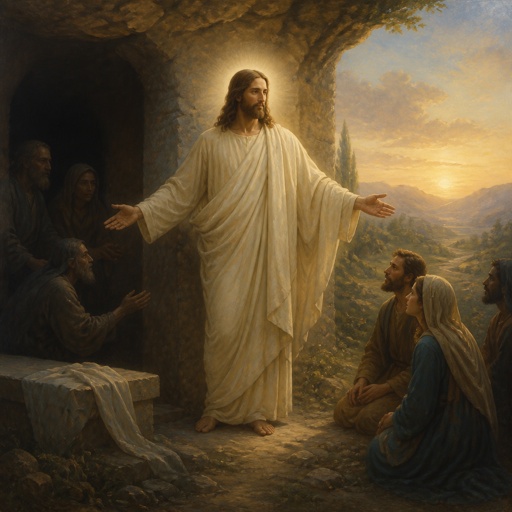
"For to this end Christ both died, and rose, and revived, that he might be Lord both of the dead and living." - Romans 14:9

Romans 14:12

Romans 8:14

Romans 10:14

Romans 10:9

Romans 10:9

Romans 9:9 - "For this is the word of promise, At this time will I come, and Sara shall have a son."

Romans 3:14 - "Whose mouth is full of cursing and bitterness:"

Romans 14:16 - "Let not then your good be evil spoken of:"

Romans 8:14 - "For as many as are led by the Spirit of God, they are the sons of God."

Romans 14:7 - "For none of us liveth to himself, and no man dieth to himself."

depict the theme of Romans 13:8-14

Romans 14:1 - "Him that is weak in the faith receive ye, but not to doubtful disputations."

Romans 12:14 - "Bless them which persecute you: bless, and curse not."

Romans 14:18 - "For he that in these things serveth Christ is acceptable to God, and approved of men."

Romans 14:14 - "I know, and am persuaded by the Lord Jesus, that there is nothing unclean of itself: but to him that esteemeth any thing to be unclean, to him it is unclean."

Romans 9:12 - "It was said unto her, The elder shall serve the younger."

Romans 14:12 - "So then every one of us shall give account of himself to God."

Romans 1:14 - "I am debtor both to the Greeks, and to the Barbarians; both to the wise, and to the unwise."

Romans 14:17 - "For the kingdom of God is not meat and drink; but righteousness, and peace, and joy in the Holy Ghost."

Romans 16:14 - "Salute Asyncritus, Phlegon, Hermas, Patrobas, Hermes, and the brethren which are with them."

Romans 7:14 - "For we know that the law is spiritual: but I am carnal, sold under sin."

Romans 4:14 - "For if they which are of the law be heirs, faith is made void, and the promise made of none effect:"

Romans 16:9 - "Salute Urbane, our helper in Christ, and Stachys my beloved."

Romans 9:2 - "That I have great heaviness and continual sorrow in my heart."

Romans 9:8 - "That is, They which are the children of the flesh, these are not the children of God: but the children of the promise are counted for the seed."

Romans 6:14 - "For sin shall not have dominion over you: for ye are not under the law, but under grace."