Liberated in Love: Understanding God's Design for Relationships
"For the woman which hath an husband is bound by the law to her husband so long as he liveth; but if the husband be dead, she is loosed from the law of her husband." - Romans 7:2
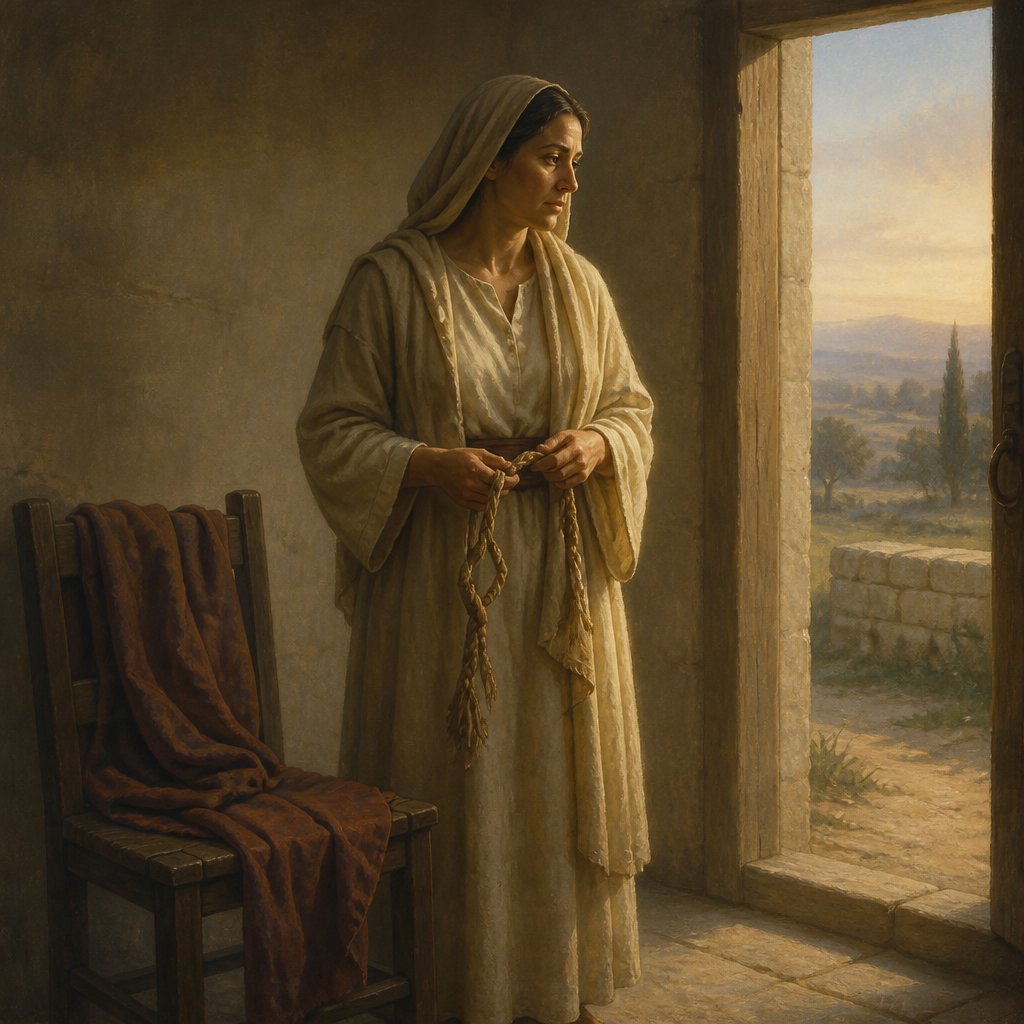
In Romans 7:2, we read, "For the woman which hath an husband is bound by the law to her husband so long as he liveth; but if the husband be dead, she is loosed from the law of her husband." This verse, while addressing the specifics of marital law, also powerfully speaks to the broader themes of commitment, liberation, and the transformative work of grace in our lives.
At first glance, Paul’s instruction on marriage may seem restrictive or irrelevant to modern society. However, when we dig deeper, we find that this passage is not merely about the obligations and bounds of earthly relationships, but about God's intentions for our lives and the transformative power of His grace.
**The Bond of Marriage**
In biblical times, marriage was a sacred covenant, deeply rooted in the law of God. The woman, as explained in this passage, was bound to her husband—not only physically but also spiritually and emotionally. This reflects God's design for marriage as a relationship meant to reflect His own faithful and unwavering commitment to His people. It suggests stability, trust, and a community where both partners support each other in their walks of faith.
In a world where relationships can often feel transient and superficial, this binding commitment is a reminder of the depth and seriousness of marital vows. Each promise made in a marriage ceremony is not just a formality; it is a serious commitment before God. In this light, we can see that Paul was emphasizing the sanctity and seriousness of marriage under God’s law.
**The Reality of Loss**
However, there is another important aspect that Paul discusses: freedom through death. When a husband dies, the woman is no longer subject to the law that bound her to him. The gravity of this statement sheds light on God’s understanding of loss and grief. When those we love pass, we are confronted with new realities that transform our identities and relationships. God does not ignore these profound moments of change in our lives; instead, through this passage, He acknowledges them.
In our Christian journey, we must understand that loss can sometimes lead to significant personal and spiritual transformation. Just as a woman is released from her obligations upon the death of her husband, we too are liberated from the law of sin and death through Christ’s sacrifice. The apostle Paul elaborates on this in the following verses of Romans 7, illustrating that through Christ, we have died to the law and are now alive to God.
**Liberation in Christ**
As we meditate on this truth, we realize that the death of Christ brings about our liberation from the shackles of sin. Just as a widow is released from her marital bond, believers are freed from the law's condemnation and invited into a new life empowered by the Holy Spirit. This is thrilling news! We no longer live in fear of failure or condemnation; instead, we can strive for holiness out of love and gratitude for what Christ has done for us.
This model of transformation calls us to look at our relationships—both with God and with others. Are we living in the freedom granted to us by Jesus, or are we still clinging to past mistakes, obligations, or fears? If we’ve accepted Christ, we are no longer bound by the law's demands; instead, we are called to live in the freedom of grace where our lives produce good fruit born of that grace.
**Conclusion**
Thus, as we reflect on Romans 7:2, let’s allow it to inspire us to examine our lives. Let us acknowledge the beauty of commitment reflected in our relationships and the importance of honoring those bonds. But more importantly, let us embrace the liberating love of Christ, recognizing that through His death, we are freed to live in righteousness and bear witness to the life-changing power of His grace.
In every circumstance, let us remind ourselves of the ultimate love story—the one that binds us to Christ forever, where there is no condemnation, but rather life and hope eternal!
Want to reflect more on Romans 7:2?
Continue your spiritual journey with Bible Chat — an AI-powered tool for exploring God's Word through conversation. Ask questions, discover connections, and deepen your understanding.
Get Our Apps


Romans 7:2 Artwork

Romans 7:2 - "For the woman which hath an husband is bound by the law to her husband so long as he liveth; but if the husband be dead, she is loosed from the law of her husband."
"For the woman which hath an husband is bound by the law to her husband so long as he liveth; but if the husband be dead, she is loosed from the law of her husband." - Romans 7:2

Romans 2:7 - "To them who by patient continuance in well doing seek for glory and honour and immortality, eternal life:"

Romans 7:19

Romans 7:12

Romans 2:6-7 - "God "will repay each person according to what they have done." To those who by persistence in doing good seek glory, honor and immortality, he will give eternal life."

Romans 6:7 - "For he that is dead is freed from sin."

"To them who by patient continuance in well doing seek for glory and honour and immortality, eternal life:" - Romans 2:7

Romans 12:2

Romans 12:2

Romans 12:2
Romans 12:2

Romans 12:2

Romans 12:2
Romans 12:2

Romans 7:12 - "Wherefore the law is holy, and the commandment holy, and just, and good."

Romans 14:7 - "For none of us liveth to himself, and no man dieth to himself."

Romans 7:17 - "Now then it is no more I that do it, but sin that dwelleth in me."

Romans 12:2

Romans 12:2

Romans 12:2

Romans 12:2

Romans 12:2

Romans 12:2

Romans 12:2

Romans 12:2

Romans 7:22 - "For I delight in the law of God after the inward man:"

Romans 7:10 - "And the commandment, which was ordained to life, I found to be unto death."

Romans 4:7 - "Saying, Blessed are they whose iniquities are forgiven, and whose sins are covered."

Romans 7:11 - "For sin, taking occasion by the commandment, deceived me, and by it slew me."