Transformed by Grace: A Call to New Life
"Romans 6:1-2: 1 What shall we say then? Shall we continue in sin that grace may abound? 2 God forbid. How shall we, that are dead to sin, live any longer therein?" - Romans 6:1-2
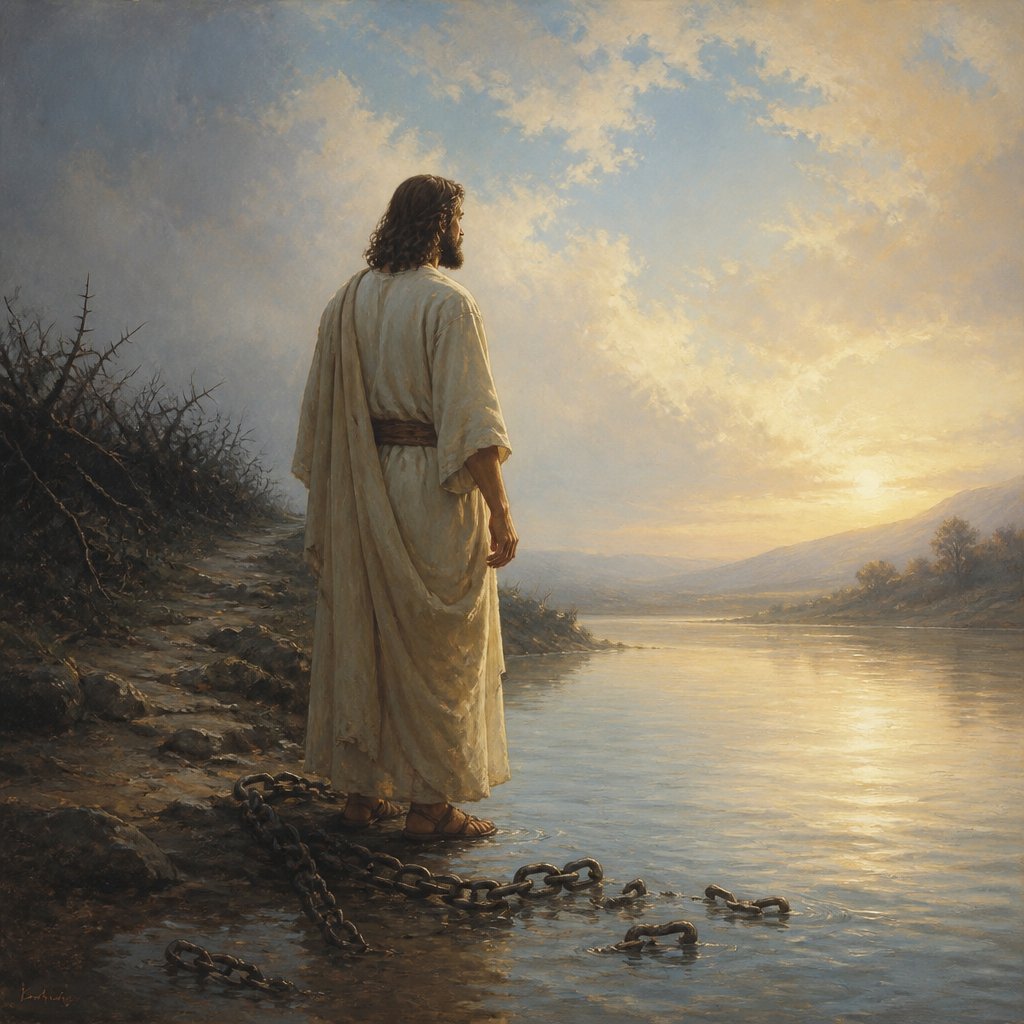
As we turn our hearts to the profound truths encapsulated in Romans 6:1-2, we embark on a pivotal journey of understanding what it means to live in light of grace and the transformative power of Christ's sacrifice. The Apostle Paul, in this passage, poses a challenging question that resonates through the ages: "What shall we say then? Shall we continue in sin that grace may abound?" (Romans 6:1, KJV).
This question reveals a critical misunderstanding that some might have about grace. Paul is addressing a common argument that could be misconstrued from his earlier declarations about the overwhelming nature of God's grace – that if grace increases when sin abounds, then why not sin more to experience more grace? However, he immediately rebukes this notion with the resounding statement, "God forbid!" (Romans 6:2, KJV).
This refutation stands as a wake-up call to all believers that we are not merely recipients of grace intended to perpetuate our old sinful ways. Instead, Paul profoundly presents the reality that through faith in Christ, we have died to sin. He asks, "How shall we, that are dead to sin, live any longer therein?" (Romans 6:2, KJV). Herein lies the crux of Christian living: our faith engenders a complete metamorphosis of our identity. We must understand that the grace we receive is not a license to sin but a catalyst for transformation.
To be "dead to sin" is to recognize that our old selves, characterized by disobedience and separation from God, have been crucified with Christ. This truth astounds the believer with its implications; we no longer have to be slaves to our sinful desires. Our old nature has been buried, and in its place, God calls us to walk in the newness of life (Romans 6:4, KJV). This new life is radically different from the old one; it is characterized by righteousness, holiness, and a desire to please God.
As we engage further with this passage, we should examine our own lives. Are there areas where we are still clinging to sin, seeking to justify our actions under the banner of grace? It is crucial to reflect on the significance of being "dead to sin." This metaphor denotes both our past reality and our present freedom. In Christ, we must no longer see ourselves as victims of sin but as victors enabled by the Holy Spirit. The struggle with sin is a reality for all believers, yet we can approach it from a position of power, knowing that Christ has already secured our victory.
Moreover, these verses compel us to reflect on the relationship between grace and obedience. While grace does indeed abound, it simultaneously empowers us to pursue holiness. If our lives remain unchanged and we continue in deliberate sin, we are challenging the very foundation of our salvation. True grace leads us to repentance and a sincere desire to align our lives with God's will. It compels us to abandon our old selves and embrace our role as children of God, who strive to reflect His glory and love in a broken world.
In practical terms, living as one who is "dead to sin" manifests in tangible ways. We must cultivate habits and practices that draw us nearer to Christ – the Word of God, prayer, fellowship with other believers, and acts of service. By doing so, we are continually reminded of our new identity. We are not defined by our past mistakes but by the righteousness of Christ that clothes us. Our daily choices become declarations of our commitment to a life that honors God.
Today, let us embrace the truth of Romans 6:1-2. Let us rejoice in the grace that saves us, while also being awakened to the transformative power that calls us to live distinctively holy lives. May our hearts cry out in gratitude for the grace that does not abandon us to our sin but empowers us to rise as new creations, fully alive in Christ. Amen.
Want to reflect more on Romans 6:1-2?
Continue your spiritual journey with Bible Chat — an AI-powered tool for exploring God's Word through conversation. Ask questions, discover connections, and deepen your understanding.
Get Our Apps


Romans 6:1-2 Artwork

Romans 6:1-2 - "What shall we say, then? Shall we go on sinning so that grace may increase? By no means! We are those who have died to sin; how can we live in it any longer?"
"What shall we say, then? Shall we go on sinning so that grace may increase? By no means! We are those who have died to sin; how can we live in it any longer?" - Romans 6:1-2

Romans 6:1 - "What shall we say then? Shall we continue in sin, that grace may abound?"

Romans 6:23

Romans 6:23

Romans 2:6 - "Who will render to every man according to his deeds:"

Romans 1:6 - "Among whom are ye also the called of Jesus Christ:"

Romans 2:4

"What shall we say then? Shall we continue in sin, that grace may abound?" - Romans 6:1

Romans 6:2 - "God forbid. How shall we, that are dead to sin, live any longer therein?"

romans 12:1-2

Romans 12:1-2

"Who will render to every man according to his deeds:" - Romans 2:6
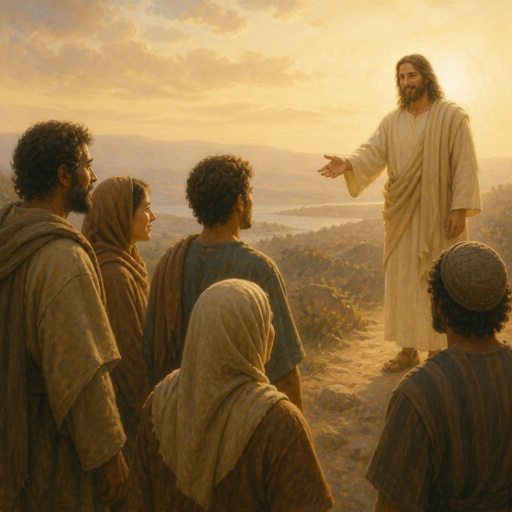
"Among whom are ye also the called of Jesus Christ:" - Romans 1:6

Romans 1:2 - "(Which he had promised afore by his prophets in the holy scriptures,)"

Romans 8:6

Romans 2:6-7 - "God "will repay each person according to what they have done." To those who by persistence in doing good seek glory, honor and immortality, he will give eternal life."

"God forbid. How shall we, that are dead to sin, live any longer therein?" - Romans 6:2

Romans 6:7 - "For he that is dead is freed from sin."

Romans 12:2

Romans 12:2

Romans 12:2

Romans 12:2
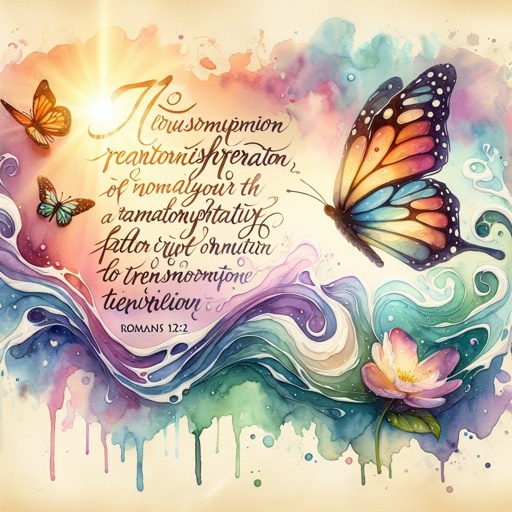
Romans 12:2

Romans 12:2

Romans 12:2

Romans 6:6 - "Knowing this, that our old man is crucified with him, that the body of sin might be destroyed, that henceforth we should not serve sin."

Romans 8:6 - "For to be carnally minded is death; but to be spiritually minded is life and peace."

Romans 16:6 - "Greet Mary, who bestowed much labour on us."

Romans 3:6 - "God forbid: for then how shall God judge the world?"