From Enemies to Embraced: The Transformative Power of Reconciliation
"For if, when we were enemies, we were reconciled to God by the death of his Son, much more, being reconciled, we shall be saved by his life." - Romans 5:10
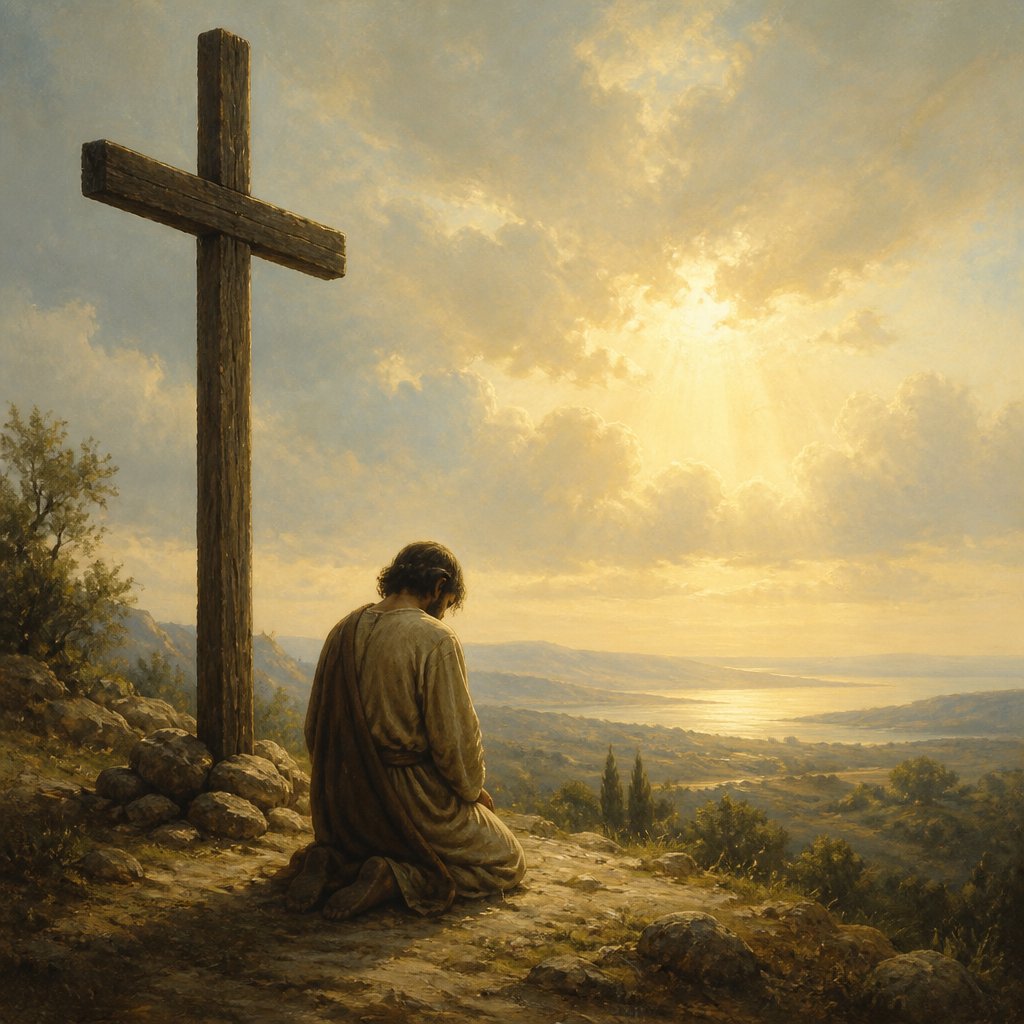
In the profound depths of Romans 5:10, the Apostle Paul presents a striking truth about the nature of our relationship with God. He states, "For if, when we were enemies, we were reconciled to God by the death of his Son, much more, being reconciled, we shall be saved by his life." This verse encapsulates the essence of the Gospel: our move from enmity to embrace, from condemnation to salvation, all rooted in the sacrificial love of Jesus Christ.
To fully appreciate the weight of this statement, we must first confront the reality of our condition outside of Christ. The Scripture begins with a clear acknowledgment that we were enemies of God. This isn't a flattering portrait; it’s a stark reminder that our natural state is one of rebellion against our Creator. Throughout the Bible, sin is depicted as a treasonous act that positions us not merely as indifferent beings but as direct opposers of God’s will. In essence, we stood in hostility towards Him, estranged and disconnected, much like Adam and Eve after the fall.
Yet, in the face of our grave condition, Romans 5:10 offers one of the most powerful guarantees of God’s love: despite our state as enemies, we were reconciled to Him through the death of His Son. Herein lies the heart of the Gospel — reconciliation. It is not simply a return to a neutral state but a dynamic and transformative restoration of our relationship with the Almighty. The death of Jesus served as the ultimate sacrifice, bearing the punishment for our sins and bridging the chasm that separated us from God.
This concept of reconciliation is deeply embedded in the character of God. In 2 Corinthians 5:18-19, Paul expresses that "God was in Christ, reconciling the world unto himself, not imputing their trespasses unto them; and hath committed unto us the word of reconciliation." This was not a passive act; it was a deliberate, costly decision made by God to restore what was broken. The cross exemplifies the intensity of divine love that transcends our hostility.
Recognizing that we were reconciled to God invites us into a new reality. Paul emphasizes that once this reconciliation happens, we are assured of our salvation through His life. This multifaceted promise reminds us that the work of Jesus didn’t conclude at the cross; rather, His resurrection empowers our faith. His victory over death is the cornerstone of our salvation. The life that Christ lives today is a continual assurance that our relationship with God is alive and active. In John 10:10, Jesus speaks of giving us life more abundantly, underscoring the joy and wholeness that come from this reconciliation.
Moreover, the phrase "much more" serves as a powerful reflection on the nature of God’s grace. It suggests that if we have been given such a monumental gift while we were still enemies, how much more shall we receive now that we’re reconciled? God’s grace is not just salvific but also abundantly transformational. It invites us to live in the fullness of who we are meant to be as children of God, leading lives characterized by love, service, and worship.
This truth compels us to respond. If we have been reconciled, we are called to be agents of reconciliation in a fractured world (2 Corinthians 5:19). Just as God took the initiative toward us, we too must lead with love and humility, bridging divides and bringing peace wherever we go. The depth of our understanding of reconciliation should reflect in our actions, mirroring God’s love to those around us.
In summary, Romans 5:10 is not merely a theological statement; it’s an invitation into a life transformed. Let us rejoice in our reconciliation, anchored in the love of Christ who died and rose for us, and live out this truth in profound gratitude and action.
Want to reflect more on Romans 5:10?
Continue your spiritual journey with Bible Chat — an AI-powered tool for exploring God's Word through conversation. Ask questions, discover connections, and deepen your understanding.
Get Our Apps


Romans 5:10 Artwork
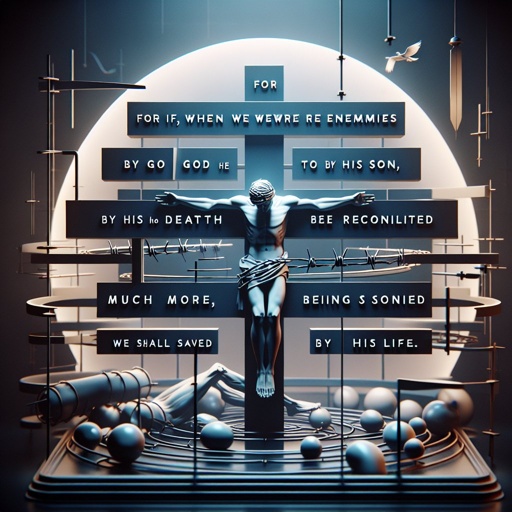
Romans 5:10 - "For if, when we were enemies, we were reconciled to God by the death of his Son, much more, being reconciled, we shall be saved by his life."
"For if, when we were enemies, we were reconciled to God by the death of his Son, much more, being reconciled, we shall be saved by his life." - Romans 5:10

Romans 10:5 - "For Moses describeth the righteousness which is of the law, That the man which doeth those things shall live by them."

Romans 10

Romans 10:17

Romans 10:17

Romans 10:17

Romans 10:17

Romans 10:17

Romans 10:17

Romans 5:1

Romans 10:17

Romans 10:14

Romans 10:17

Romans 10:9

Romans 10:9

Romans 5:19

Romans 5:8

Romans 5:8

Romans 5:8

Romans 5:19

"For Moses describeth the righteousness which is of the law, That the man which doeth those things shall live by them." - Romans 10:5

Romans 10:13-15

Romans 10:10 - "For with the heart man believeth unto righteousness; and with the mouth confession is made unto salvation."

Romans 5: 1-11

Romans 5: 1-11
romans 12: 4-5

Romans 3:10 - "As it is written, There is none righteous, no, not one:"

Romans 5:4 - "And patience, experience; and experience, hope:"

Romans 10:4 - "For Christ is the end of the law for righteousness to every one that believeth."