Faith That Holds Firm: Lessons from Romans 4:20-21
"He staggered not at the promise of God through unbelief; but was strong in faith, giving glory to God; And being fully persuaded that, what he had promised, he was able also to perform." - Romans 4:20-21

In Romans 4:20-21, we find a powerful testament to faith as demonstrated by Abraham: "He staggered not at the promise of God through unbelief; but was strong in faith, giving glory to God; And being fully persuaded that, what he had promised, he was able also to perform." These verses encapsulate the essence of trusting God amidst uncertainty and showcases the strength that accompanies unwavering faith.
Abraham's journey is one of the most remarkable narratives in the Bible. His call by God to venture into the unknown was not merely a call to physical movement but a divine beckoning towards faith—a faith that defies human understanding and expectation. Abraham was promised that he would be the father of many nations, a promise he received at an age when such possibilities seemed laughable, humanly speaking. The promise lay there, immense and overwhelming, in the face of reality that screamed impossibility.
As we meditate on Abraham’s reaction, we observe the text notes he "staggered not at the promise of God through unbelief." This phrase carries profound implications. To "stagger" implies instability, a faltering in trust that leads to wavering. Yet, to say he did not stagger indicates a resolute stance against the ebb and flow of doubt, particularly in a time when doubt could have consumed him. Instead of sinking into despair or disbelief, Abraham chose to stand firm, underscoring that our faith can be a mighty bulwark against the storms of doubt that entice all believers.
Faith is not a mere feeling but an active choice to believe God’s Word over our circumstances. It is a conscious decision to place total trust in God’s capabilities, even when evidence points in the opposite direction. Abraham adopted an attitude of worship—"giving glory to God"—not because he saw the fulfillment of the promise yet but because of his confidence in God’s character and faithfulness. This aspect of glorifying God speaks to the heart of the matter: gratitude for who God is, irrespective of the circumstances. It instructs us that worship and faith can transcend even our most challenging experiences. We are reminded of James 1:2-3, which encourages us to count it all joy when we meet trials, knowing that the testing of our faith produces endurance.
The pinnacle of Abraham’s faith is captured in the phrase "fully persuaded"—a total conviction that what God promised, He was also able to perform. This doesn’t imply a blind faith devoid of reasoning; rather, it signifies a deep-seated trust established upon God’s historical faithfulness and promises. In our modern lives, this can feel quite daunting as we face uncertainties, financial struggles, health crises, or relational discord. Yet, in our most vulnerable moments, like Abraham, we are called to a higher purpose of faith—a purpose that includes both belief and action.
When we embrace a fully persuaded faith, we activate a spiritual principle that ignites God's promises. It compels us to engage with His Word, reminding us of the myriad of promises laid down for us in scripture. It provokes us to declare the truth of God’s faithfulness even before we see it manifested. This is evident in the life of believers throughout the ages, who stood resolutely on God's promises and watched them come to fruition despite the odds stacked against them.
Therefore, let us be encouraged to cultivate such faith as we walk through our lives. Like Abraham, though we face challenges, may we also stand firm, glorifying God for the promises ahead. May we, too, become fully persuaded that what He has promised, He is also able to perform. The key to faith is not in the absence of obstacles, but in our response to them; it is a heart posture that recognizes God's sovereignty over every circumstance. In doing so, we will find that our faith—like Abraham's—shines brightly amidst the darkest of trials, illuminating the path for others and bringing glory to God.
Want to reflect more on Romans 4:20-21?
Continue your spiritual journey with Bible Chat — an AI-powered tool for exploring God's Word through conversation. Ask questions, discover connections, and deepen your understanding.
Get Our Apps


Romans 4:20-21 Artwork

Romans 4:20-21 - "He staggered not at the promise of God through unbelief; but was strong in faith, giving glory to God; And being fully persuaded that, what he had promised, he was able also to perform."

"He staggered not at the promise of God through unbelief; but was strong in faith, giving glory to God; And being fully persuaded that, what he had promised, he was able also to perform." - Romans 4:20-21

Romans 4:20 - "He staggered not at the promise of God through unbelief; but was strong in faith, giving glory to God;"

Romans 4:21 - "And being fully persuaded that, what he had promised, he was able also to perform."

"He staggered not at the promise of God through unbelief; but was strong in faith, giving glory to God;" - Romans 4:20

"And being fully persuaded that, what he had promised, he was able also to perform." - Romans 4:21

"He staggered not at the promise of God through unbelief; but was strong in faith, giving glory to God;" - Romans 4:20

Romans 12:20-21 - "On the contrary: "If your enemy is hungry, feed him; if he is thirsty, give him something to drink. In doing this, you will heap burning coals on his head." Do not be overcome by evil, but overcome evil with good."

"And being fully persuaded that, what he had promised, he was able also to perform." - Romans 4:21

"And being fully persuaded that, what he had promised, he was able also to perform." - Romans 4:21

Romans 5:20-21 - "The law was brought in so that the trespass might increase. But where sin increased, grace increased all the more, so that, just as sin reigned in death, so also grace might reign through righteousness to bring eternal life through Jesus Christ our Lord."

Romans 12:21 - "Be not overcome of evil, but overcome evil with good."

Romans 2:4

Romans 4:3

Romans 4:4 - "Now to him that worketh is the reward not reckoned of grace, but of debt."

Romans 6:20 - "For when ye were the servants of sin, ye were free from righteousness."

Romans 2:20 - "An instructor of the foolish, a teacher of babes, which hast the form of knowledge and of the truth in the law."
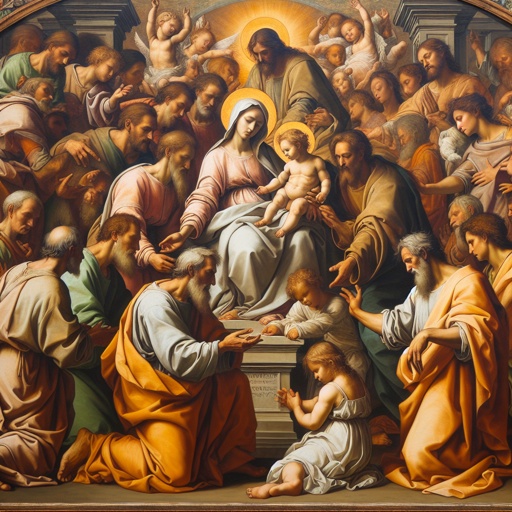
romans 12: 4-5

Romans 16:21 - "Timotheus my workfellow, and Lucius, and Jason, and Sosipater, my kinsmen, salute you."

Romans 3:21 - "But now the righteousness of God without the law is manifested, being witnessed by the law and the prophets;"

Romans 15:21 - "But as it is written, To whom he was not spoken of, they shall see: and they that have not heard shall understand."

Acts 16:21 - "And teach customs, which are not lawful for us to receive, neither to observe, being Romans."

1 John 4:20-21 - "If someone says, “I love God,” and hates his brother, he is a liar; for the one who does not love his brother whom he has seen, cannot love God whom he has not seen. And this commandment we have from Him, that the one who loves God should love his brother also."

Luke 13:20-21

Luke 13:20-21
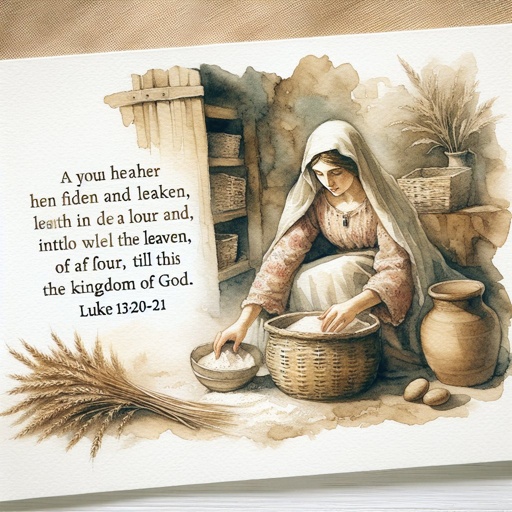
Luke 13:20-21

Luke 13:20-21

Luke 13:20-21

Romans 5:4 - "And patience, experience; and experience, hope:"

Romans 7:20 - "Now if I do that I would not, it is no more I that do it, but sin that dwelleth in me."